
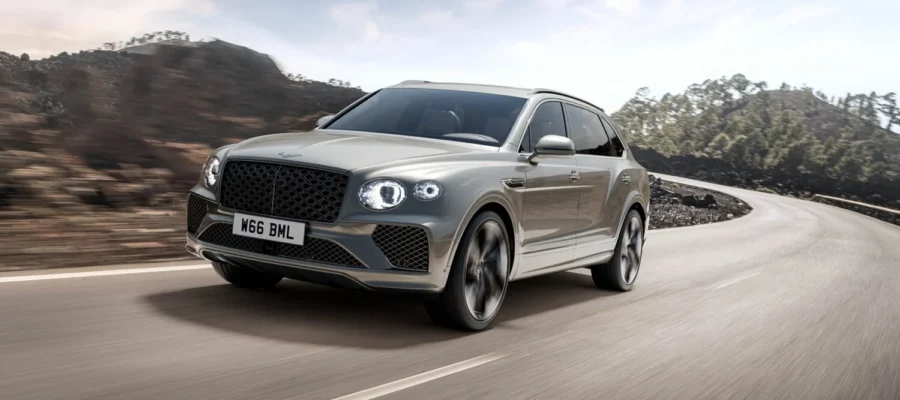
In the process of purchasing a premium car, the decision is often influenced by visible factors: design, price, equipment or reputation of the model. In reality, however, the difference between an inspired choice and one that generates long-term compromises manifests itself in less obvious details.
In today’s market the offer is wide and access to models from all over Europe is easier than ever. This is why the context in which a car is chosen becomes more important than the model itself.
There are situations in which some cars, while valuable as a product, may become less suitable choices for certain types of use. Next, we’ll look at three of the most common contexts in which a seemingly good decision can generate unexpected costs or limitations.
Premium cars are priced significantly lower than the market average
An attractive offer can be a real plus, but in the premium segment price differences must be carefully analyzed. When a pattern positions significantly below the market’s usual level, it is important to have a clear understanding of the context in which this difference occurs.

In many cases, the price reflects factors that are not immediately visible: incompletely documented history, insufficiently detailed technical interventions or a level of wear that is not evident on a superficial evaluation. These items do not necessarily affect the immediate operation of the machine, but can influence medium and long-term operating costs.
At the same time, in the premium area, technical complexity implies a higher standard of maintenance. Therefore, an initial price difference may later be offset by higher service or repair costs.
In this context, the true value is not given only by the purchase price, but by the transparency and quality of the information that accompanies the car.
Cars that don’t suit your usage style
One of the most important criteria when choosing a car is how it will be used. There are many situations in which a technically and aesthetically excellent model does not correspond to the actual needs of the user.
For example, a large SUV may offer comfort and space, but exclusive urban use may turn these benefits into limitations related to maneuverability or efficiency. Likewise, a sports model or performance-oriented coupe may be an emotionally inspired choice, but less practical in the context of family or everyday use.
These situations do not concern the quality of the car, but the alignment between its characteristics and the user’s lifestyle.
A correct choice always implies a realistic analysis of the way of use, not just an aesthetic or emotional preference.
Machines configured without a usage logic
In the premium segment, equipment plays a key role in defining the driving experience. However, a complex configuration is not always synonymous with an optimal choice.
There are many situations where cars are equipped with technology packages or options that are not relevant to the end user. While these can increase the perceived value of the car, they don’t always bring real benefits in everyday use.
At the same time, the lack of strategically chosen essential equipment can compromise comfort or functionality, even if the car is, overall, well equipped.
The difference is the way the configuration is built:
not by list, but by use.
Proper configuration requires a balance between technology, comfort and practical relevance, not the accumulation of options.
Conclusion
Choosing a premium car isn’t just about finding an attractive model or a competitive offer. It’s a process that involves a detailed understanding of the car’s context, use and true value.
The difference is not between better or worse cars, but between correctly informed choices and choices that can lead to compromises over time.
In this sense, access to verified information, the correct evaluation of the history and the right configuration of the car become essential elements.
THE BCCH Auto Switzerlandthe selection process develops exactly around these principles. Each car is analyzed in detail and recommendations are made based on the customer’s real needs and not just market availability.
The result, therefore, is not a simple purchase, but a correct, coherent and adapted long-term choice.
latest posts published
The most comfortable car: a top 10 of the most comfortable cars
Van rental in Bucharest: when is it best and which model to choose? | Dex Car

Electric car sales in Europe rose 41% in March, boosting the new car market
Hongqi could start producing cars in Europe at the Stellantis plant in Spain
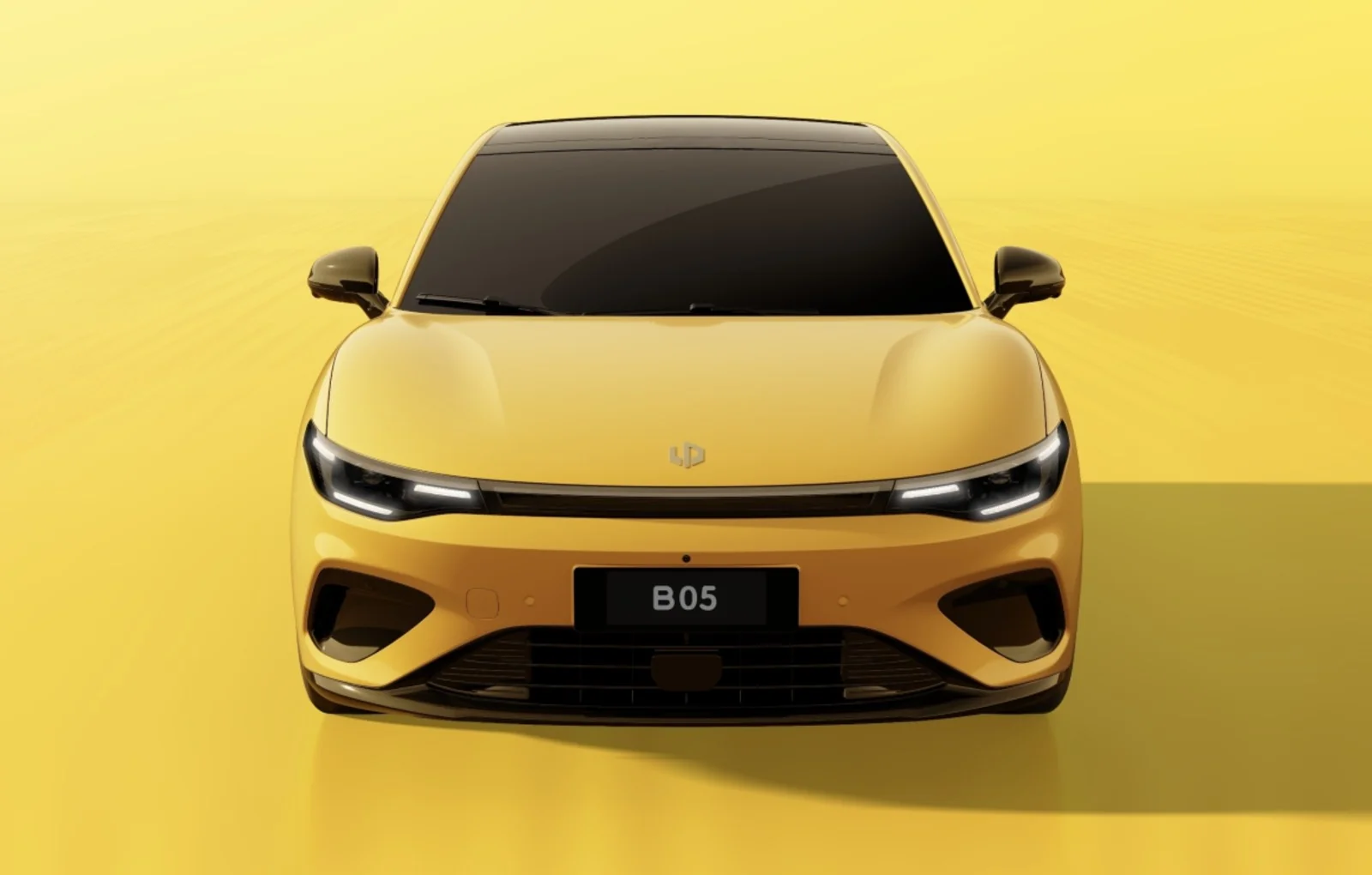
Leapmotor announces the launch of 3 new models on the European market in 2026
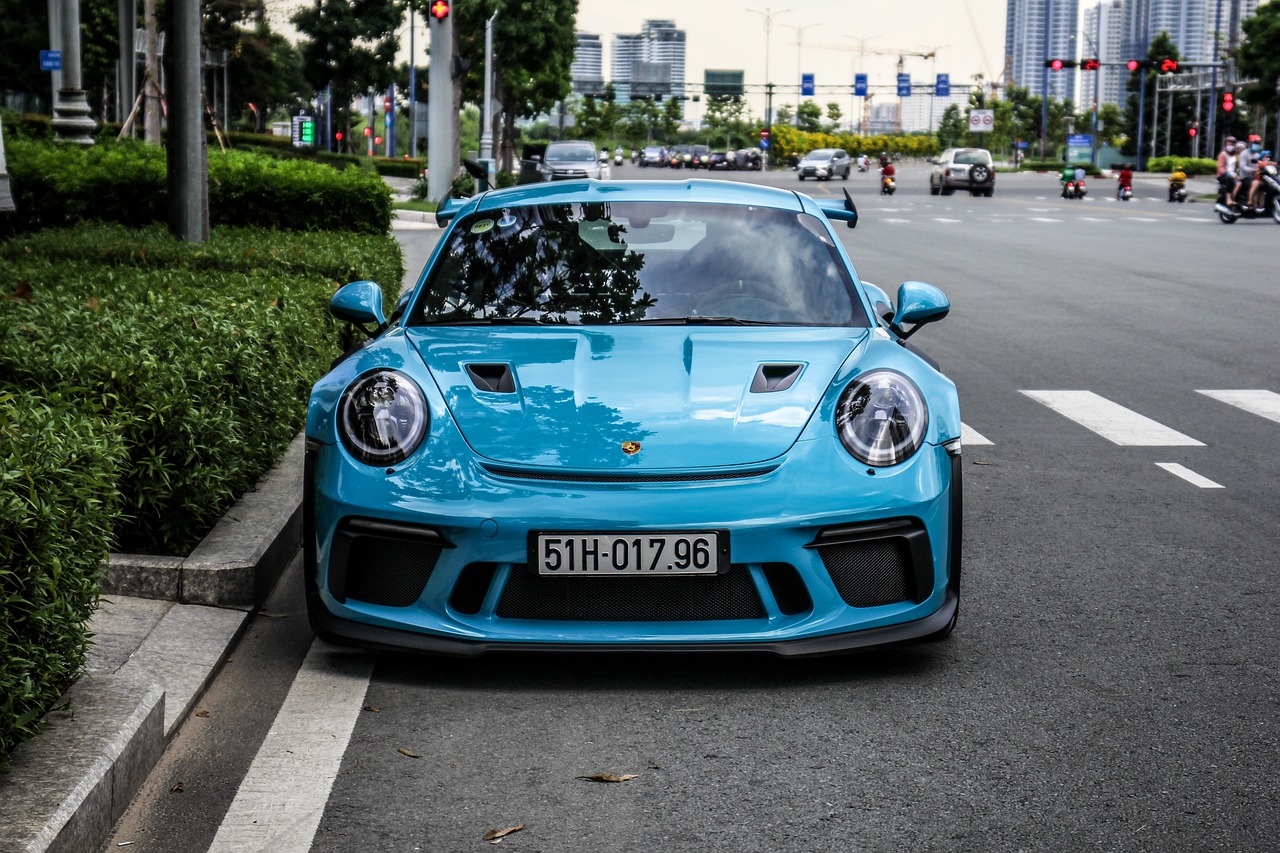
The best used luxury coupé and cabriolet models

Lotus V8 hybrid supercar revealed

Around Bucharest – day trips from Bucharest
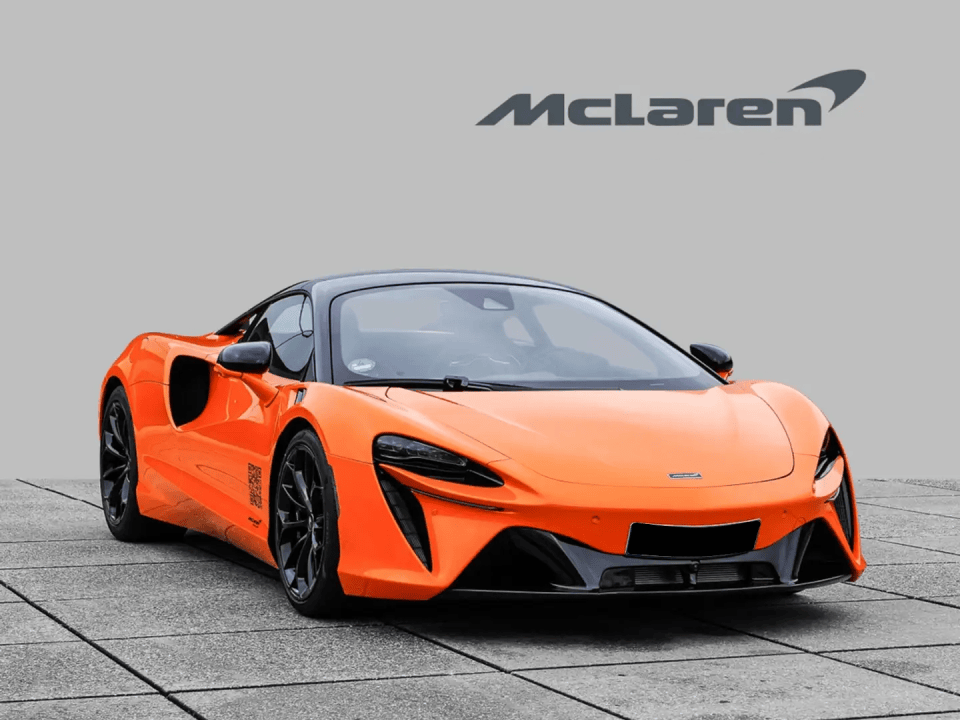
Find out all about the 2026 McLaren Artura Hybrid 3.0 plug-in