A premium car is evaluated, in most cases, under neutral conditions: moderate temperature, short trip, quick impressions. Summer changes this context completely.
Heat brings out details that normally remain in the background. Materials behave differently, surfaces heat up, air circulates differently and comfort becomes a continuous function, not a momentary impression.
In this context the differences between two apparently similar configurations become visible. Not in terms of design or performance, but in how the car handles temperature, space and daily interaction.
Materials: between aesthetics and real behavior
Interior materials are typically associated with the perception of quality. In summer they become a direct comfort factor.
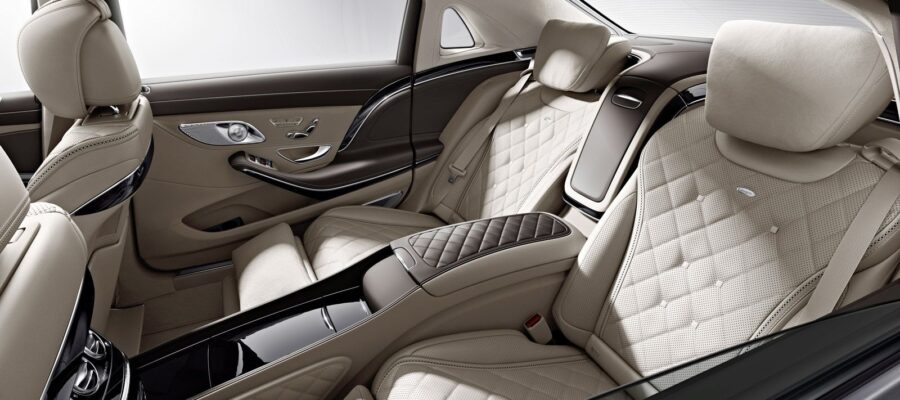
Natural leather, often used in the premium segment, offers a high level of refinement and durability. At the same time, in high temperature conditions, it tends to quickly take over the ambient heat, but this aspect is compensated by:
- perforated leather, which allows air circulation
- active ventilation systems in the seats
Plastic surfaces, especially hard, shiny ones, tend to heat up quickly and maintain their temperature. This affects not only tactile comfort, but also the overall temperature inside. Soft-touch finishes or matte materials contribute to a more stable and pleasant feel.
The choice of materials is not only about aesthetics, but also about the feeling they will have during use.
The seats: support, ventilation and prolonged use
The seats are one of the most important points of contact with the car and, implicitly, one of the most sensitive to temperature variations.
Seat ventilation is not just an additional element of comfort, but a function that directly influences the experience in warm weather. Efficient systems use built-in fans and even air distribution through perforated surfaces, reducing heat and moisture buildup.
Without this system, even well-constructed seats can become uncomfortable after extended periods of use.
Shape and lumbar support remain equally important. In summer the discomfort generated by the temperature combines with the physical one, and an incorrect position becomes more tiring than in normal conditions.
Air conditioning: control, not just power
A high-performance air conditioning system doesn’t just mean the ability to quickly cool the air inside.
The difference lies in the stability of the temperature and the way the air is distributed. Well-calibrated systems maintain a constant temperature without sudden variations, avoiding the sensation of direct cold air or areas with temperature changes.
The multi-zone climate control allows precise regulation based on the passenger’s position and sun exposure. At the same time, temperature and solar radiation sensors contribute to automatic adjustments that reduce manual intervention.
Another important aspect is air filtration. Advanced systems reduce particles and odors, contributing to an overall feeling of freshness, especially in heavy urban traffic.
Colors and finishes: the impact on temperature
Interior colors directly affect how the car handles heat.
Dark surfaces absorb more heat and heat up faster. On the contrary, light shades reflect light better and help maintain a lower temperature.
Glossy finishes tend to amplify the sensation of warmth, while matte or satin finishes offer a more balanced experience. These differences are not so obvious at first glance, but become noticeable with use.
The choice of colors and finishes is not just a question of aesthetic preference, but of functionality.
Suspension and behavior on heated roads
The high temperature also influences the behavior of the asphalt. The surface becomes softer and imperfections are transmitted differently to the machine.
Adaptive or electronically regulated suspensions are able to compensate for these variations, maintaining a constant level of comfort. Conversely, a stiff suspension, oriented exclusively towards dynamics, can amplify discomfort in high temperature conditions.
A correct balance between comfort and stability becomes fundamental, especially in daily use.
Conclusion
Warm weather doesn’t change a car’s specs, but it does change how they are perceived.
The materials, seat ventilation, climate control and suspension behavior become essential factors for evaluating real comfort. The difference between two neighboring configurations can be significant when these elements are analyzed correctly.
A well-made choice takes into account the way of use and the conditions in which the car will be used, not just the visible features.
At BCCH Auto Switzerland the selection and configuration of cars is based on these criteria. Every detail is analyzed in real context, so that the final result is consistent and adapted, regardless of the season.
In the premium segment, comfort is not a promise.
It is a consequence of a correct choice.
latest posts published
The most comfortable car: a top 10 of the most comfortable cars
Van rental in Bucharest: when is it best and which model to choose? | Dex Car

Electric car sales in Europe rose 41% in March, boosting the new car market
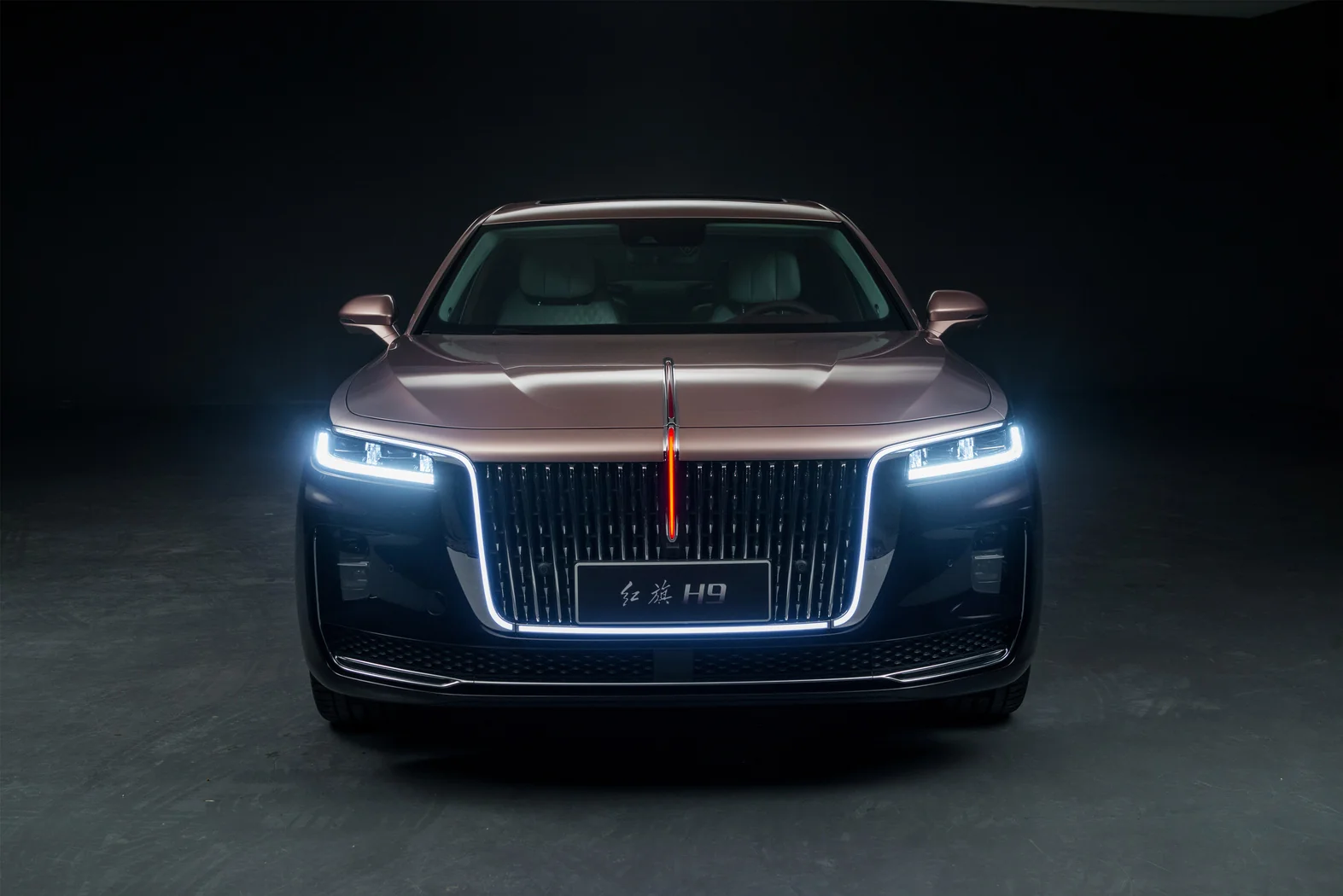
Hongqi could start producing cars in Europe at the Stellantis plant in Spain
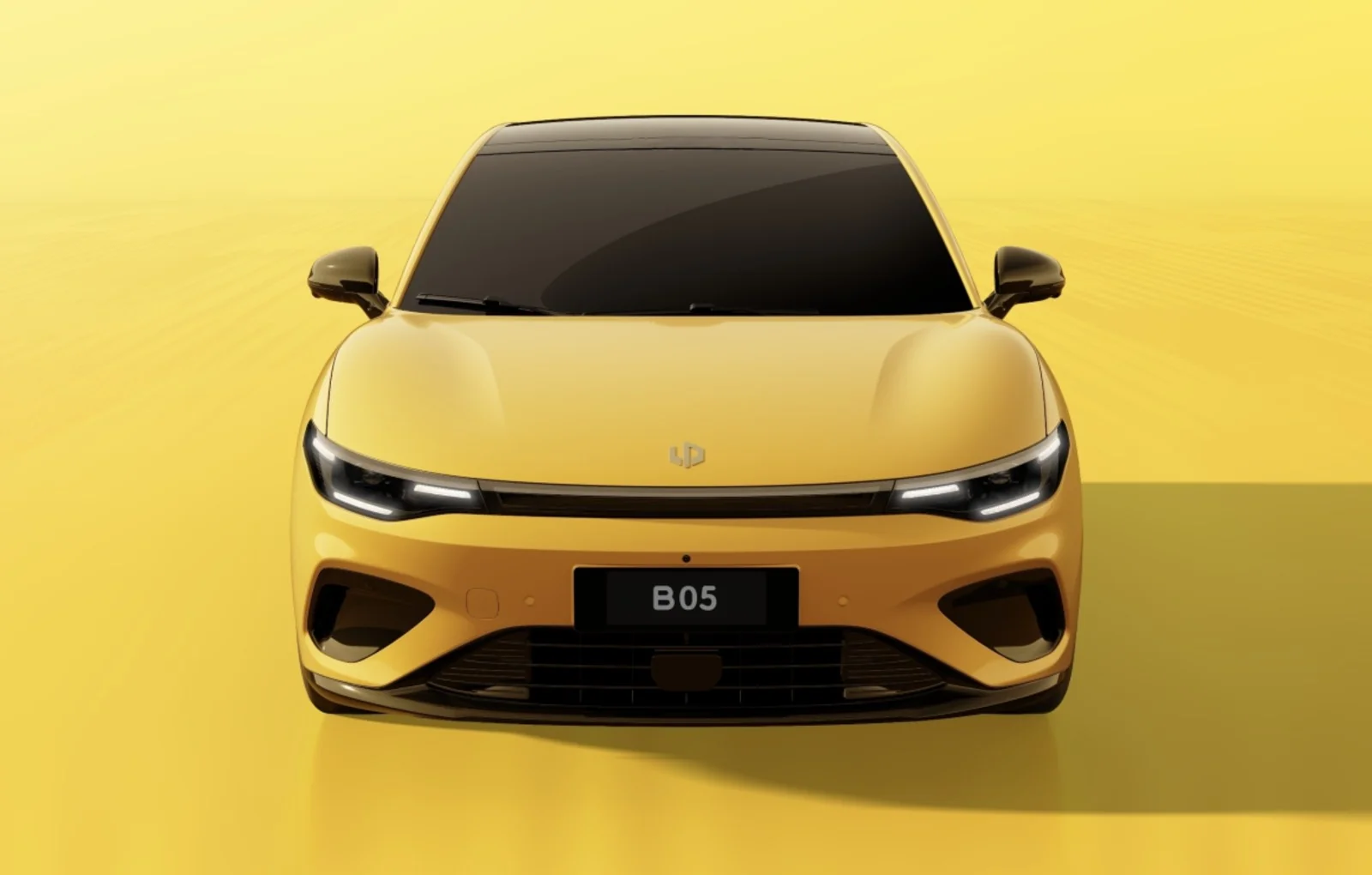
Leapmotor announces the launch of 3 new models on the European market in 2026
Fear of driving: how to overcome it in the new year?
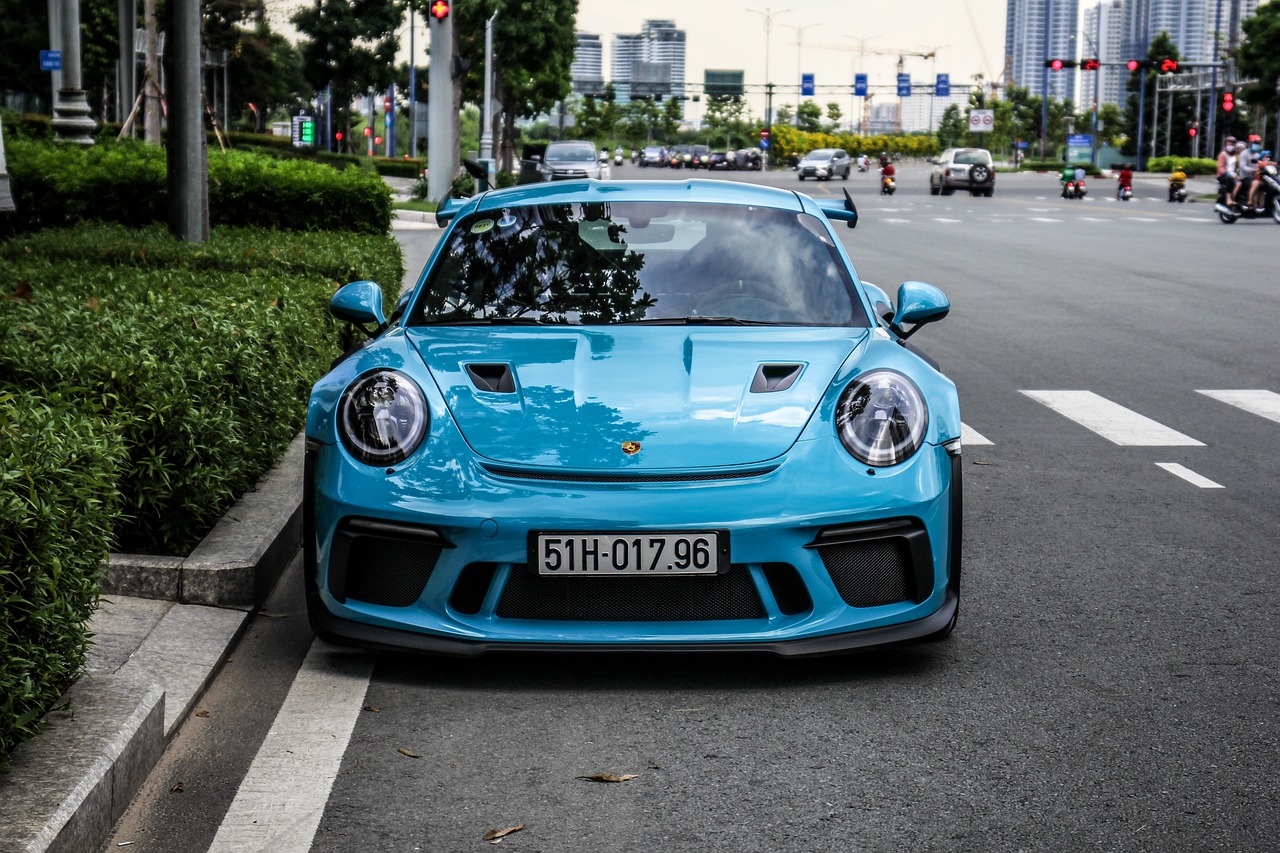
The best used luxury coupé and cabriolet models
Lotus V8 hybrid supercar revealed

Around Bucharest – day trips from Bucharest