
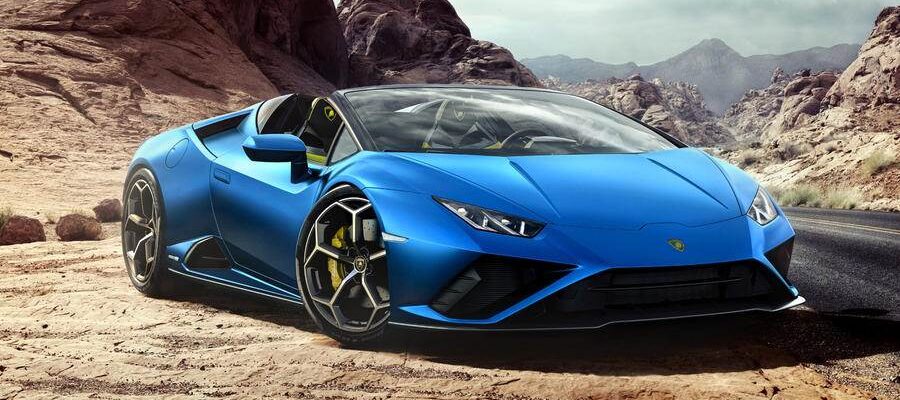
In the automotive world, there are different configurations of transmission systems, each with their own advantages and disadvantages. But one of the most popular and popular remains the rear-wheel drive transmission, known by the acronym RWD (Rear-Wheel Drive). This system has been a milestone in the automotive industry over time and continues to fascinate enthusiasts of performance and dynamic driving.
What is RWD?
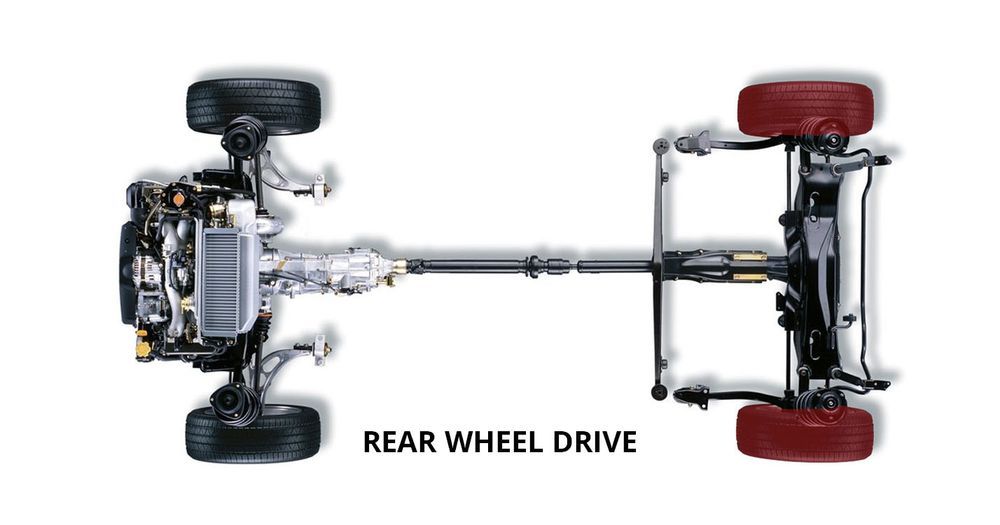
The RWD system is a configuration in which the power generated by the engine is transmitted to the rear wheels of the car. This happens through a chain of mechanical components that starts from the engine, passes through the gearbox, the crankshaft (transmission shaft) and reaches the rear axle, which drives the drive wheels.
How does the RWD system work?
Let’s look at how this transmission system functions. The engine, located at the front of the vehicle, changes the chemical energy of the fuel into mechanical energy in the form of torque. This torque is sent to the gearbox, which adjusts it and sends it on to the drive shaft.
The driveshaft, also called the cardan shaft, is a key part in the RWD system. It is a strong, flexible rod that carries power from the gearbox to the back axle. Due to its design, the joint can adjust for angles and movements between car parts, ensuring smooth power delivery.
When it gets to the back axle, power is sent to the center differential, which evenly distributes torque to the rear drive wheels. The differential also allows the wheels to rotate at different speeds while turning, avoiding skidding and early tire wear.
The advantages of the RWD system
The RWD system offers a number of significant advantages for sports driving and performance enthusiasts:
- Balanced weight distribution: The weight of the engine at the front and the rear axle at the rear of the car ensures balanced mass distribution, which improves handling and stability at high speeds.
- Excellent acceleration traction: During acceleration, weight is transferred to the rear drive wheels, ensuring superior traction and better grip on dry surfaces.
- Immersive Driving Experience: The sensation of power transmitted to the rear wheels creates a unique connection between the driver and the car, offering an authentic and exciting driving experience.
- Superior Performance: Due to excellent weight distribution and traction, rear-wheel drive cars are often preferred for high performance, both on racetracks and in normal driving conditions.
The challenges of the RWD system
However, the RWD system is not free from challenges and drawbacks:
- Reduced traction on slippery surfaces: On surfaces covered in snow, ice or rain, the rear drive wheels may have difficulty maintaining traction, resulting in skidding or loss of control.
- Mechanical Complexity: Additional components such as the driveshaft and rear axle increase the mechanical complexity of the RWD system, which can lead to higher maintenance costs.
- Limited interior space: The presence of the transmission tunnel inside the passenger compartment can reduce the space available for passengers and luggage.
Alternative RWD system configurations
Although the standard configuration of the RWD system involves the engine mounted at the front and the power transmitted to the rear wheels, there are other interesting variations:
Mid-engine RWD configuration
In this configuration, the engine is located in the center of the car, between the front and rear axles. This ensures excellent weight distribution and perfect balance, further improving handling and cornering performance.
Examples of mid-engine rear-wheel drive cars:
RWD configuration with rear engine
A less common, but still fascinating, configuration is the one with the engine positioned at the rear of the car. This approach provides excellent weight balance and exceptional traction under acceleration, but can adversely affect handling and stability at high speeds.
Examples of rear-wheel drive cars with a rear engine:
Popular cars with RWD system
Thanks to the performance and engaging driving experience it offers, the RWD system is preferred by many leading automotive brands for their sporty and high-performance models:
- BMW 3 Series and 5 Series
- Mercedes-Benz C-Class and E-Class
- Audi A4 and A6 (quattro models)
- Lexus IS and GS
- Infiniti Q50 and Q60
- Jaguar XE and XF
- Cadillac ATS and CTS
- Ford Mustang
- Chevrolet Camaro
- Dodge Challenger and Charger
These cars combine elegance and luxury with the superior performance offered by the RWD system, offering an unforgettable driving experience for enthusiasts of speed and handling.
Evolution of the RWD system
Although rear-wheel drive dominated the automotive industry in the first half of the 20th century, the tide shifted in favor of front-wheel drive (FWD) in the 1970s and 1980s. The main reasons were the superior energy efficiency and lower production costs of the FWD system.
However, in recent decades, the RWD system has seen a resurgence thanks to the growing demand for sports and high-performance cars. Automakers have invested significant resources in the development of modern RWD systems, which combine the classic advantages of this configuration with advanced technologies such as electronic stability control and limited-slip differentials.
The RWD system in the modern era
In today’s era, rear-wheel drive is no longer just an option for luxury and performance cars. Car manufacturers have also managed to integrate this configuration into more accessible models, offering ordinary motorists the opportunity to experience the pleasure of dynamic driving.
For example, brands like Hyundai and Kia have launched affordable rear-wheel drive models like the Genesis Coupe and Stinger, bringing the sporty driving experience at a more affordable price.
Furthermore, the development of electronic stability control technologies and steering assistance systems has enabled significant improvements in the handling and safety of rear-wheel drive cars, even in difficult grip conditions.
RWD vs. FWD
To better understand the pros and cons of rear-wheel drive, it is useful to compare it to the main alternative configuration, front-wheel drive (FWD):
Advantages of RWD over FWD
- More balanced weight distribution
- Superior traction during acceleration
- More engaging driving experience
- Superior performance in ideal conditions
Advantages of FWD over RWD
- Improved traction on slippery surfaces
- More generous internal space
- Lower production costs
- Superior energy efficiency
Ultimately, the choice between RWD and FWD depends on each driver’s priorities and preferences. If performance and a dynamic driving experience are most important, then the RWD system is the ideal choice. Conversely, if energy efficiency, interior space and cost are critical factors, all-wheel drive may be a better option.
The future of the RWD system
Despite current trends towards the electrification of cars and the adoption of hybrid or fully electric powertrains, the RWD system doesn’t appear to be disappearing anytime soon. Sports and performance car enthusiasts will continue to appreciate the authentic and dynamic driving experience provided by this classic configuration.
Furthermore, the development of advanced electronic stability control technologies and steering assistance systems will allow a continuous improvement in the handling and safety of rear-wheel drive cars, even in difficult grip conditions.
Major car manufacturers such as BMW, Mercedes-Benz and Audi will continue to invest in the development of RWD systems for their high-performance and luxury models, ensuring that this setup remains an attractive option for dynamic driving enthusiasts.
The RWD transmission system is a classic and popular configuration in the automotive world, which offers an engaging driving experience and superior performance. While it also presents some challenges, such as low traction on slippery surfaces and mechanical complexity, it remains a popular choice for sports and performance cars.
latest posts published
The most comfortable car: a top 10 of the most comfortable cars
Van rental in Bucharest: when is it best and which model to choose? | Dex Car

Electric car sales in Europe rose 41% in March, boosting the new car market
Hongqi could start producing cars in Europe at the Stellantis plant in Spain
Leapmotor announces the launch of 3 new models on the European market in 2026

The best used luxury coupé and cabriolet models
Lotus V8 hybrid supercar revealed

Around Bucharest – day trips from Bucharest
Find out all about the 2026 McLaren Artura Hybrid 3.0 plug-in