The story of Rolls-Royce’s ‘electric’ plan
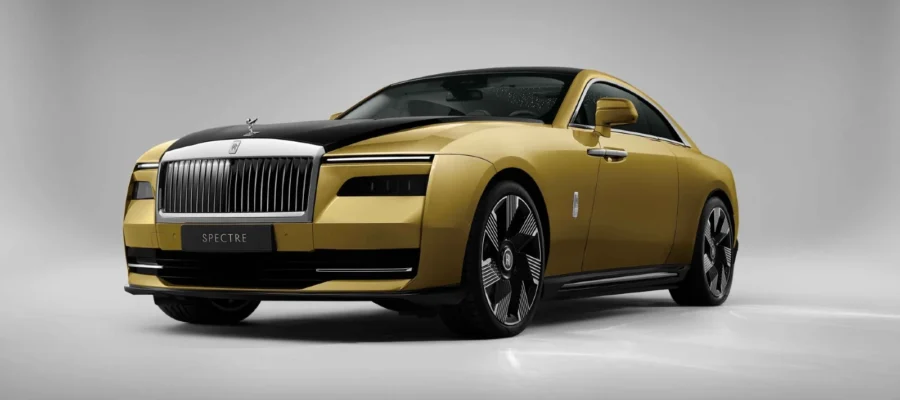
Four years ago, Rolls-Royce took a bold step towards electrification with the launch of the Spectre, the first production electric car in its entire history. Along with this debut, the British manufacturer made an ambitious commitment: to become an exclusively electric brand by 2030. This decision reflected the general direction of the automotive market at the time, which promised to gradually abandon internal combustion engines in favor of electrification.
However, even though four years have passed since then, Rolls-Royce has not released any other new electric models and the Specter currently remains the only battery-powered car available. This long pause was an indication of problems or strategic reorientation to come.
The reason for the return to electrification
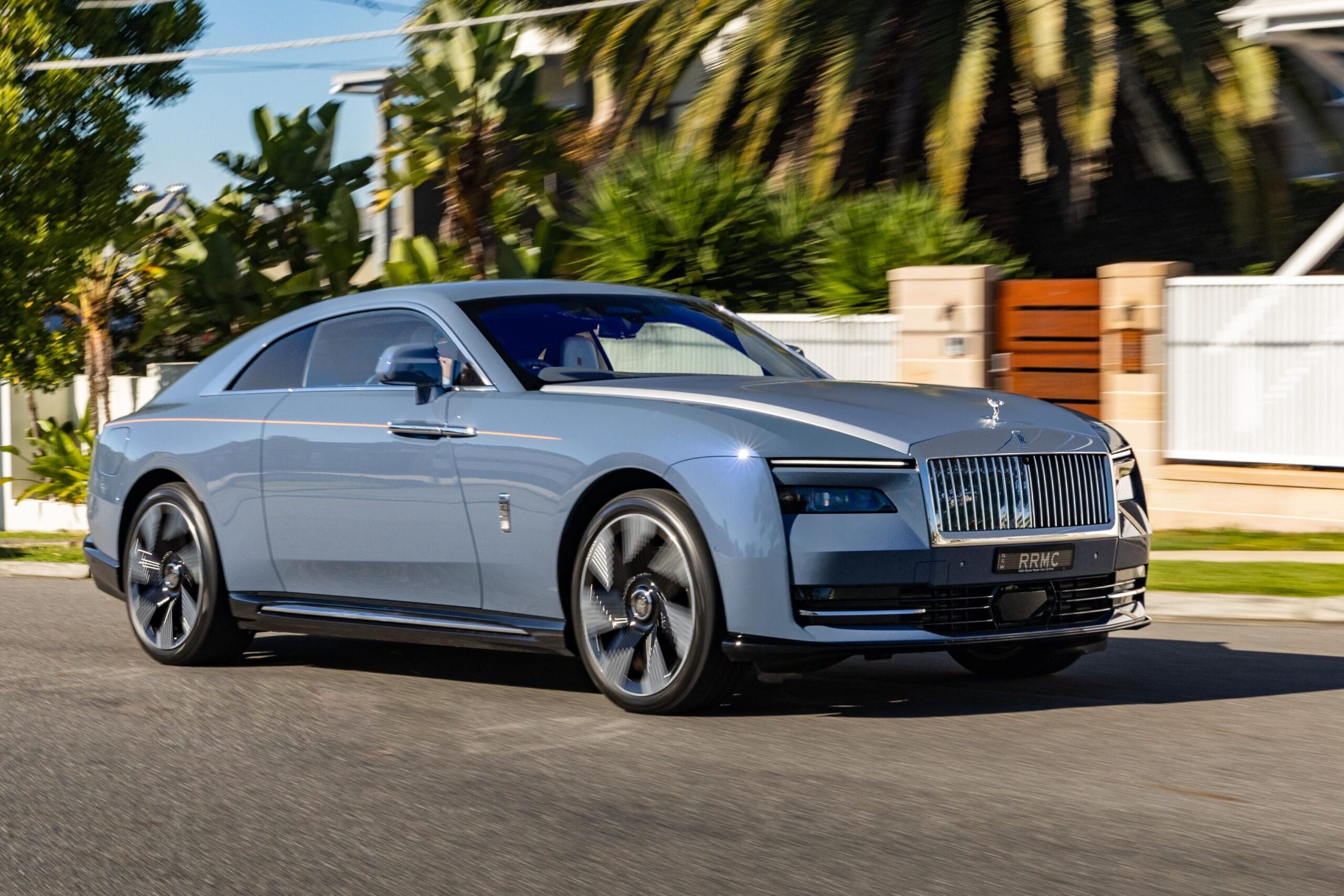
According to the latest official statements, the factors that led Rolls-Royce to maintain the V12 engine are linked to fundamental values that are difficult to compromise for the luxury brand. The V12 engine, a symbol of power, unmistakable sound and technical refinement, is a defining part of the Rolls-Royce identity.
Furthermore, internal analysis shows that exclusive customer demand for luxury cars with combustion engines remains high, especially in segments where exclusivity and performance cannot be fully replaced by electric models. Rolls-Royce customers, many of them collectors and heritage enthusiasts, perceive classic propulsion as an essential element in the driving experience.
On the other hand, preparations for a regulatory trend that would allow classic engines to coexist alongside modern technologies, including hybrid electrics, are still under development in many countries. Therefore, Rolls-Royce is strategically positioning itself to ensure continued exclusivity without imposing a forced ultimatum on electric technologies.
What changes will this decision bring to Rolls-Royce?
This abandonment of total electrification does not mean that Rolls-Royce will completely ignore modern technology. Instead, it is expected that the brand will continue to integrate hybrid technologies and complementary electric solutions, but without completely eliminating the internal combustion engine.
Importantly, Rolls-Royce will place greater emphasis on product customisation, offering customers options for refined V12 engines with technologies to reduce environmental impact without sacrificing performance and driving pleasure. This will allow a privileged niche to continue to benefit from the exclusivity of a high-performance, but more efficient and environmentally friendly engine.
Implications for the luxury car market in Romania and Europe
For the automotive market in Romania and Central and Eastern Europe, Rolls-Royce’s decision holds special significance. While the big players are under pressure to accelerate the transition to electric, Rolls-Royce is taking the risk of offering a distinct alternative to customers who prefer the authenticity and tradition of classic engines.
Romania, with its growing number of luxury car enthusiasts and collectors, should represent, at least in the medium term, fertile ground for V12-powered Rolls-Royce models. Furthermore, the infrastructure for electric charging is still being developed, which could mean that traditional propulsion remains the preference of many.
The future of Rolls-Royce in the age of climate change
As global trends towards sustainability and emissions reduction become increasingly compelling, Rolls-Royce’s decision to retain the V12 engine may seem like an exception. However, the British brand claims that this choice is well founded and supported by its long-term strategy of balancing performance, luxury and responsibility.
It is clear that the future of the brand will not be shaped exclusively by electrification in the traditional sense, but by a combination of technological innovation and respect for tradition. Therefore, Rolls-Royce positions itself as a luxury manufacturer offering a unique and personalized experience, rather than simply a pioneer of electric technology.
Conclusion
The abandonment of the plan to become an all-electric brand by 2030 marks a new stage in the history of Rolls-Royce. V12 engines, an emblem of British automotive excellence, retain their central role in the manufacturer’s portfolio. In a world dominated by rapid changes and trends imposed by regulations, Rolls-Royce chooses to listen to the voice of tradition and its customers, while still promoting a vision of luxury that combines classic elegance with modern technology, but not always 100% electric.
It remains to be seen how the market will respond to this decision and whether other large luxury car manufacturers will follow a similar path or continue to bet everything on electrification.
For more automotive news and analysis, stay tuned to our blog and find out what’s shaping the future of four-wheeled mobility and luxury.
latest posts published
The most comfortable car: a top 10 of the most comfortable cars
Van rental in Bucharest: when is it best and which model to choose? | Dex Car

Electric car sales in Europe rose 41% in March, boosting the new car market
Hongqi could start producing cars in Europe at the Stellantis plant in Spain
Leapmotor announces the launch of 3 new models on the European market in 2026
The best used luxury coupé and cabriolet models
Lotus V8 hybrid supercar revealed

Around Bucharest – day trips from Bucharest
Find out all about the 2026 McLaren Artura Hybrid 3.0 plug-in