April 21, 2026 · 4 minute of reading
The conflict that broke out in Iran at the end of February triggered a global oil crisis, which is also being strongly felt on European markets. Fuel prices have increased dramatically, affecting not only classic cars, but also the overall consumer economy. In this context, more and more Europeans have chosen to turn to electric vehicles, a choice that combines concern for the environment with the desire to reduce dependence on expensive fossil fuels. As a result, in the first three months of the year, electric car sales recorded an impressive increase of around 30% across the continent.
The oil crisis: a catalyst for the electric car sector
The military and geopolitical stalemate in Iran, one of the most important regions for global oil production, has threatened the stability of fuel flows. This has led to a sharp increase in petrol and diesel prices in Europe, where the dependence on oil imports is significant. Fuel prices have led many consumers to rapidly reorient towards alternative mobility solutions.
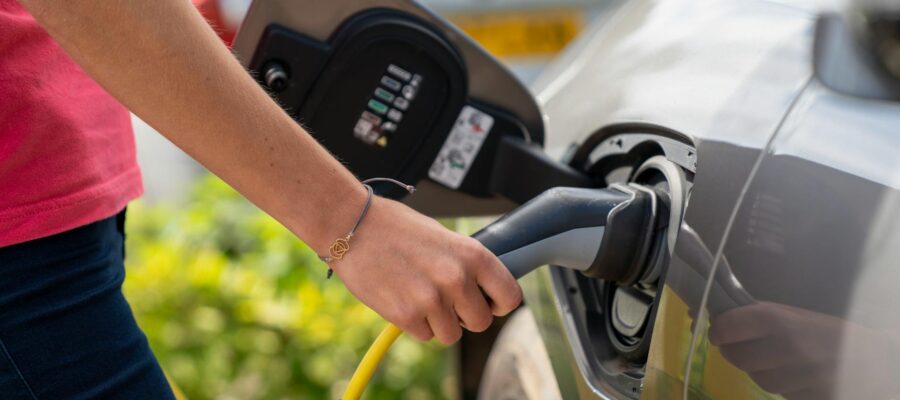
In this context, electric cars have proven to be an interesting solution. In addition to the benefit of lower operating costs (electricity versus fuel), the rapid installation and expansion of charging stations has fueled buyer interest. Recent statistics collected by E-Mobility Europe, in collaboration with the consultancy firm Clemens & Partners, show that the electric car market grew more than expected for the first three months of 2024.
Sustained growth, but with challenges on the horizon
According to reported data, Europe sold around 30% more 100% electric cars compared to the same period last year. This substantial leap suggests a permanent change in the behavior of European consumers, who are increasingly aware of the economic and ecological impact of their choices.
However, the electric car market is not without its challenges. Problems related to the supply of electronic components, high initial vehicle costs and uneven charging infrastructure in some European countries represent obstacles to be overcome in the medium term. However, support from governments in the form of subsidies and policies to encourage green transport, combined with accelerated technological progress, facilitates adaptation.
Regional trends and preferences
The largest European markets for electric cars remain Germany, France and the Netherlands, where the influence of public policies is also more visible. Germany continues to be the continental leader, both in sales volumes and in the development of charging infrastructure. Furthermore, rapid growth is observed in the Nordic countries, due to environmental awareness and higher incomes of the population.
The electric SUV segment is also gaining ground in buyer preferences, thanks to the comfort and space offered, together with the high performance of the new electric motors. Mainstream brands and automotive startups continue to release models with longer ranges, shorter charging times and advanced connectivity technologies.
What does this growth mean for the Romanian automotive market?
Romania is starting to feel the influence of global and European trends regarding electric vehicles in recent years. Although adoption is still early, rising fuel prices and legislative promises regarding the encouragement of electricity in Bucharest, Cluj, Timișoara and other large cities are starting to have visible effects.
Charging infrastructure is gradually developing and car importers and dealers are focusing on promoting electric or hybrid models. In the long term, this European growth in the electric segment can lead to a decrease in dependence on oil imports and to mobility that is more respectful of the environment and of users’ pockets.
Outlook for the rest of 2024
Industry analysts are optimistic that this growth in electric car sales will continue. As the energy crisis persists and the impact of geopolitical conflicts continues, consumers are increasingly motivated to choose more energy-efficient vehicles. At the same time, behind this phenomenon there is a structural change: the orientation of the automotive industry towards sustainable technologies, supported by strict European policies on CO₂ emissions.
Therefore, brands that manage to offer a balance between price, autonomy, design and charging services will dominate the market. By the end of 2024, the electric vehicle segment is expected to account for an even higher percentage of the total European automotive market.
In conclusion, the approximately 30% increase in electric car sales in Europe in the first quarter of this year reconfirms the increasingly strong orientation of European consumers towards electric mobility. The global oil crisis acted as a catalyst, but the phenomenon is supported by a profound change in mentality, which is causing a real revolution in the way we travel. Romania has the opportunity to take advantage of this trend and accelerate the integration of electromobility into drivers’ daily lives.
For the most up-to-date information on the electric car market in Europe and Romania, we invite you to follow our automotive news section and follow us on social networks.
latest posts published
The most comfortable car: a top 10 of the most comfortable cars
Van rental in Bucharest: when is it best and which model to choose? | Dex Car

Electric car sales in Europe rose 41% in March, boosting the new car market
Hongqi could start producing cars in Europe at the Stellantis plant in Spain
Leapmotor announces the launch of 3 new models on the European market in 2026
Fear of driving: how to overcome it in the new year?
The best used luxury coupé and cabriolet models
Lotus V8 hybrid supercar revealed

Around Bucharest – day trips from Bucharest