
The background to the conflict and the impact on oil
The violent conflict that broke out on the border between Iran and Israel has destabilized the energy market, which is extremely sensitive to geopolitical changes in the region. Iran, while not a large oil exporter like Saudi Arabia, has a strategic position that significantly influences the global price. Restrictions and uncertainties over oil supply have caused rapid price increases, also affecting importing countries such as Romania.
Rising fuel costs obviously impact consumers’ pockets and transportation costs for production and distribution, pressures that impact the entire automotive value chain.
Volkswagen and an unexpected turning point: the production of military equipment
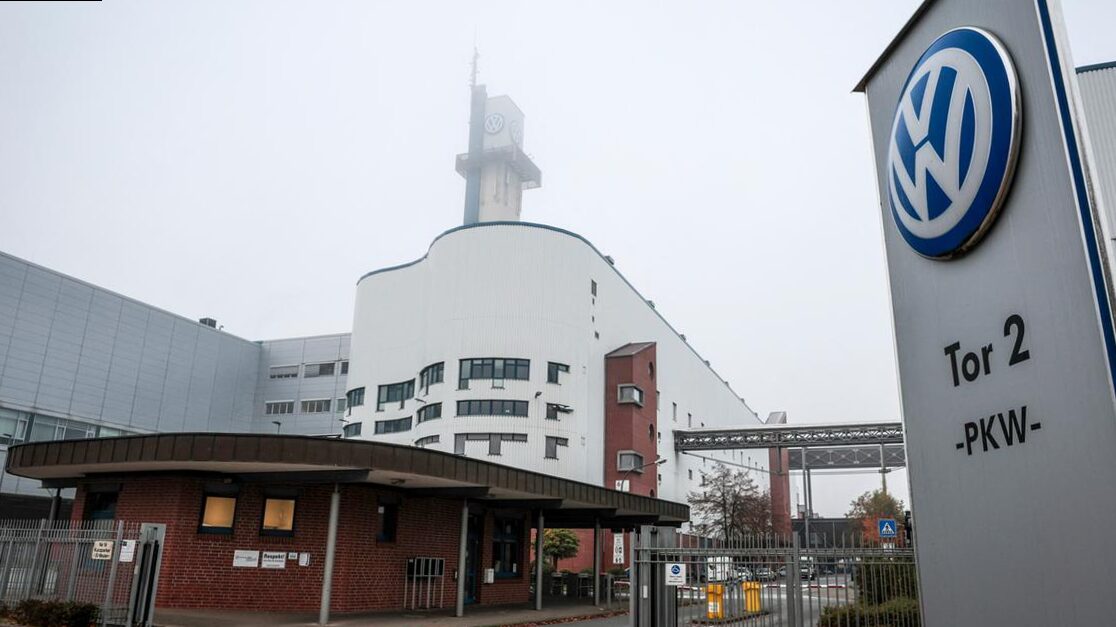
According to recent information collected by the international press and partially confirmed by sources within the company, Volkswagen has begun to analyze the possibility of expanding its industrial capacity to the production of military equipment, especially for Israel. This move represents an important strategic change for the German group which, until now, has focused exclusively on the automotive industry and sustainable mobility.
Why exactly military equipment and why Israel? The reasons are more complex than a simple response to conflict in the Middle East. Israel, one of the countries with the most advanced military technology in the world, develops high-tech defense and security solutions that require qualified industrial collaborations. Volkswagen, through its technological capacity and manufacturing resources, can leverage its industrial infrastructure to produce complex components for this sector.
This move could bring Volkswagen to another level of diversification and stability as the traditional automotive sector faces problems due to rising raw material prices and drastic changes in consumption.
The implications for the automotive market and for Romania
For Romania, whose local markets are already feeling the conflict’s direct impact on fuel prices, broadening that direction for an auto giant like Volkswagen could mean major changes. If investments and production of military equipment also result in the opening of facilities in countries where Volkswagen already has a presence, including possible impacts on supply chains, the local economy could see mixed effects: new jobs, but also a potential erosion of the focus on the civilian automotive sector.
It is important to underline that, for now, Volkswagen’s production of military equipment is only in the analysis and planning phase. No final decision has been made and, of course, such a change must respect the international legal framework and the company’s internal policies.
Volkswagen, alternatives to the oil crisis
In addition to this possible diversification, Volkswagen continues to focus on the transition towards electrification and green mobility, important objectives to reduce dependence on oil and fossil fuels, which are mainly responsible for the current market volatility.
The company has electric and hybrid models in its portfolio and the expansion of charging infrastructure in Europe is an important pillar of its strategy. However, war and the geopolitical context complicate sustainability ambitions through inflationary pressure and additional costs generated by rising commodity prices.
How prepared is the auto industry for the geopolitical impact?
The current crisis shows how vulnerable the automotive industry remains to major geopolitical events. From oil price fluctuations to embargoes or internal conflicts in raw material-producing countries, major automotive groups must remain flexible and creative to survive and thrive.
Volkswagen’s decision to explore the production of military equipment for Israel is perhaps an indicator of a new era in the automotive industry, in which companies are no longer limited to vehicles, but become relevant players in other strategic areas of production as well.
CONCLUSIONS
The war in the Middle East, especially in Iran, affects not only the political and military front, but also the global economy and large industries such as the automotive industry. Rising oil prices have increased production costs and forced giants like Volkswagen to look for alternatives and new sources of revenue.
Producing military equipment for Israel, if it becomes a reality, will represent a significant shift in Volkswagen’s strategic direction and an example of how geopolitical conflicts can radically alter the map of the auto industry.
For consumers, this situation not only affects the price of fuel, but can also influence the range of models and future technologies that we will see on the Romanian and European markets.
For more automotive news and analysis, follow our blog and don’t miss updates on developments from major automakers in the global geopolitical context.
latest posts published
The most comfortable car: a top 10 of the most comfortable cars
Van rental in Bucharest: when is it best and which model to choose? | Dex Car

Electric car sales in Europe rose 41% in March, boosting the new car market
Hongqi could start producing cars in Europe at the Stellantis plant in Spain
Leapmotor announces the launch of 3 new models on the European market in 2026
The best used luxury coupé and cabriolet models

Lotus V8 hybrid supercar revealed

Around Bucharest – day trips from Bucharest
Find out all about the 2026 McLaren Artura Hybrid 3.0 plug-in