May 19, 2026 · 4 minute of reading
The electrification of the automotive industry continues to be a dynamic topic, marked lately by delays and reevaluations by several manufacturers. After seeing similar announcements from major automakers in recent months, now it’s Subaru’s turn to delay plans to launch electric models developed entirely in-house.
Subaru already has electric models, but in collaboration with Toyota
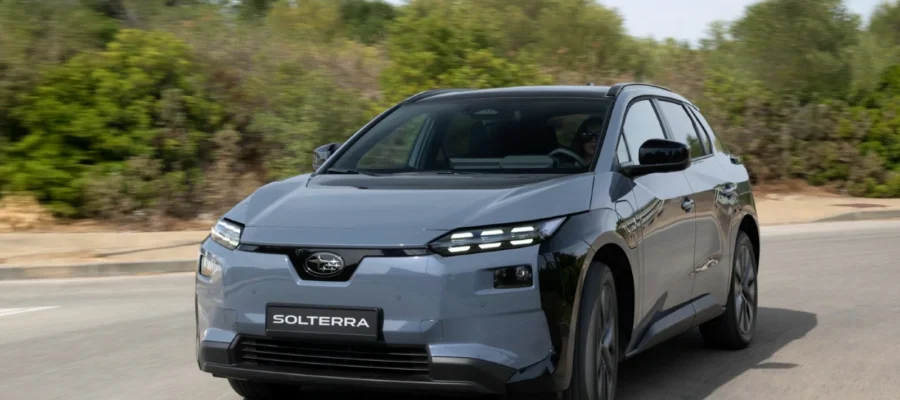
Although Subaru is a fairly recent entry into the league of electric model makers, the Japanese are by no means inexperienced in this segment. Currently, their range includes five electric models – Subaru Solterra, Getaway, E-Outback, Trailseeker and Uncharted – all the result of a close collaboration with Toyota. This partnership was fundamental for Subaru, allowing it to quickly enter the electric vehicle market with technologically well-developed and competitive models.
However, Subaru’s initial plans were to launch an electric car of its own design, developed entirely in-house, to demonstrate its individuality and technological innovation. But according to the latest official statements, this release has been delayed.
Why did Subaru decide to delay the launch of its electric models?
Subaru’s official reason for this decision is mainly related to the current automotive market environment and the technological and economic challenges facing the automotive industry. Japan, along with the rest of the world, is experiencing a period of multiple uncertainties: rising raw material costs, problems in supply chains and rapidly evolving emissions regulations, which are influencing manufacturers’ strategies.
According to Subaru, the development of its own fully electric model requires serious investments in research, development and production and, in the current context, the company prefers to focus its resources on the optimization of existing models and on strategic collaborations, especially in partnership with Toyota. This decision will allow, at least temporarily, to reduce financial and technological risks, while the company better analyzes future development directions.
What does the delay mean for Subaru and customers?
Postponing the launch of its electric models does not mean that Subaru is giving up on electrification, on the contrary. The Japanese remain firmly committed to this path, supporting the development of hybrid electric and plug-in hybrid models and pursuing joint projects with Toyota, which allow competitive electrified vehicles to circulate on the market.
For customers this means that, at least in the short to medium term, Subaru’s range of electric cars will remain linked to those built in partnership with Toyota. This can mean well-tested models with an optimal price-performance ratio, but without the «own product» character on which Subaru has built its reputation in other sectors.
In the long term, fans of the brand can still expect internally developed electric innovations, but their launch will take place later, when the company deems it has reached the technological and commercial maturity necessary for such a new phase.
Electricity market context and challenges for Subaru
The global automotive industry is going through a difficult transition to electric mobility, and Subaru isn’t the only brand that has had to reconsider its timing and plans. Other brands have chosen to expand partnerships or adapt strategies based on their capabilities and market realities.
For Subaru the challenge is even more difficult, given that the brand has a very strong identity based on performance, all-wheel drive and robustness – characteristics that are difficult to immediately transfer to fully electric platforms. Therefore, in order not to lose authenticity and preserve the quality recognized by loyal customers, Subaru prefers to invest in prudent developments that ensure an optimal balance between innovation and conservatism.
What is the future of Subaru on the road to electromobility?
In addition to continuing its collaboration with Toyota, which is a major player in the electric vehicle market, Subaru is also investing in additional technologies such as efficient hybrids and electrified powertrain optimization solutions. Furthermore, the company follows market developments and legislative changes, which decisively influence the pace of adoption of 100% electric vehicles.
It is expected that once economic and technological conditions have stabilized, Subaru will return with a clear plan to launch electric models of its own design, perhaps even with specific innovations, that support the brand’s vision for a sustainable future without compromising the authentic character of its cars.
Conclusion
The delay in the launch of Subaru’s fully electric models reflects both the complexity of the transition process towards electromobility and the cautious strategy of a manufacturer with tradition. With an electric range built in collaboration with Toyota and a commitment to further technological development, Subaru maintains its position in the market and promises to return in the future with its own electric solutions, in line with the values and expectations of its customers.
Until then, car enthusiasts will be able to follow with interest the evolution of this Japanese brand which, despite undergoing a process of recalibration, remains one of the important players in the automotive world of the future.
latest posts published
The most comfortable car: a top 10 of the most comfortable cars
Van rental in Bucharest: when is it best and which model to choose? | Dex Car

Electric car sales in Europe rose 41% in March, boosting the new car market
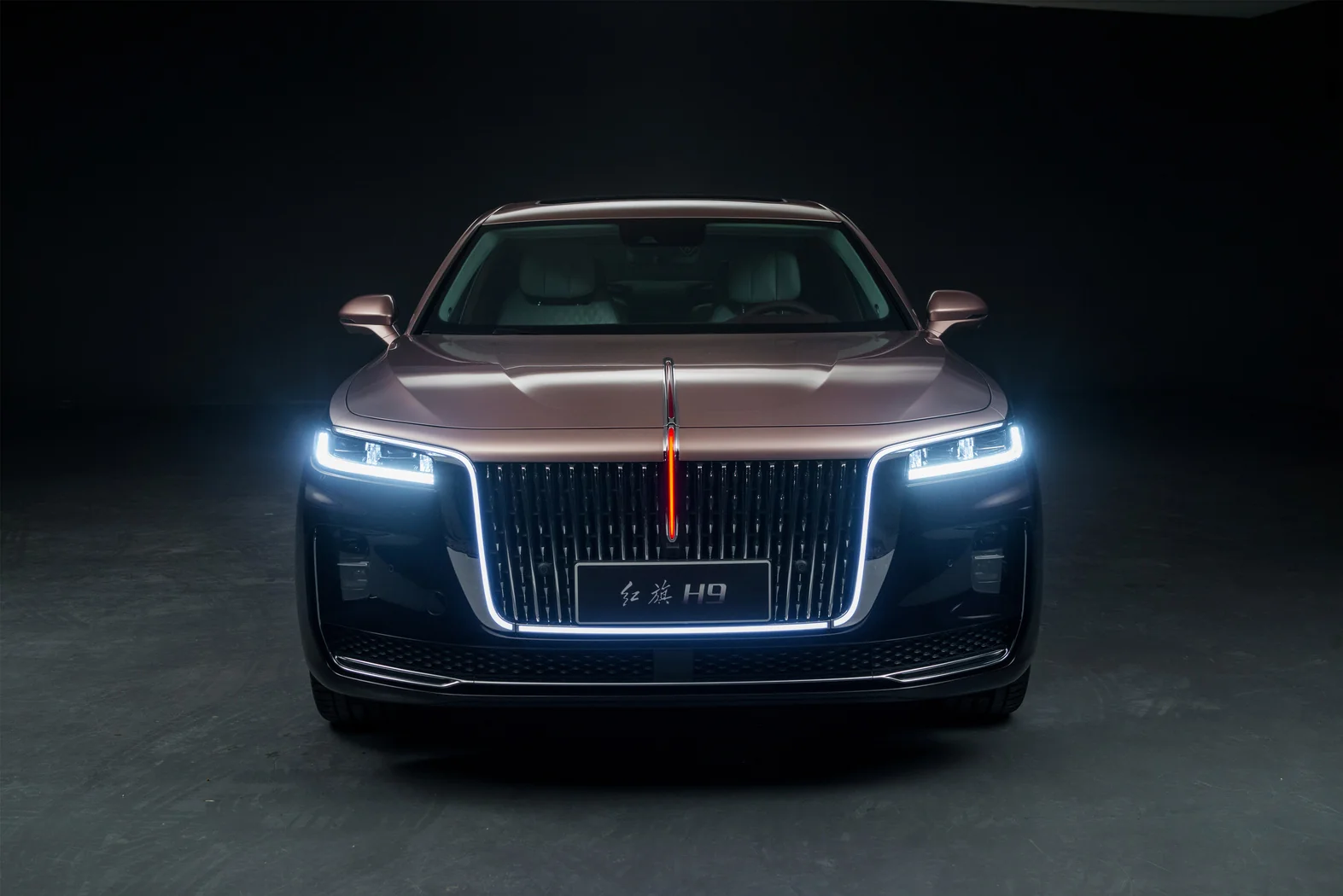
Hongqi could start producing cars in Europe at the Stellantis plant in Spain
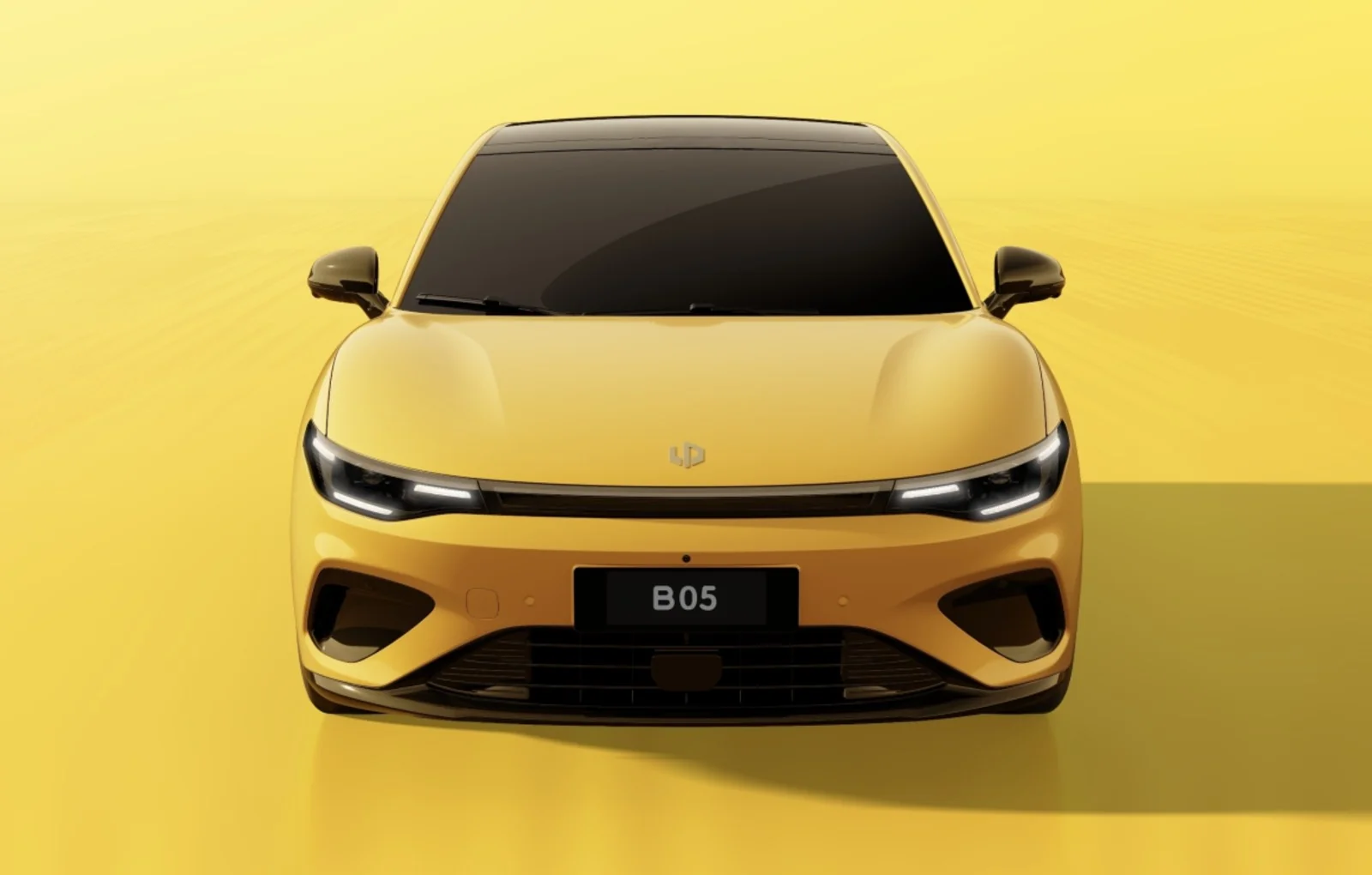
Leapmotor announces the launch of 3 new models on the European market in 2026
Fear of driving: how to overcome it in the new year?
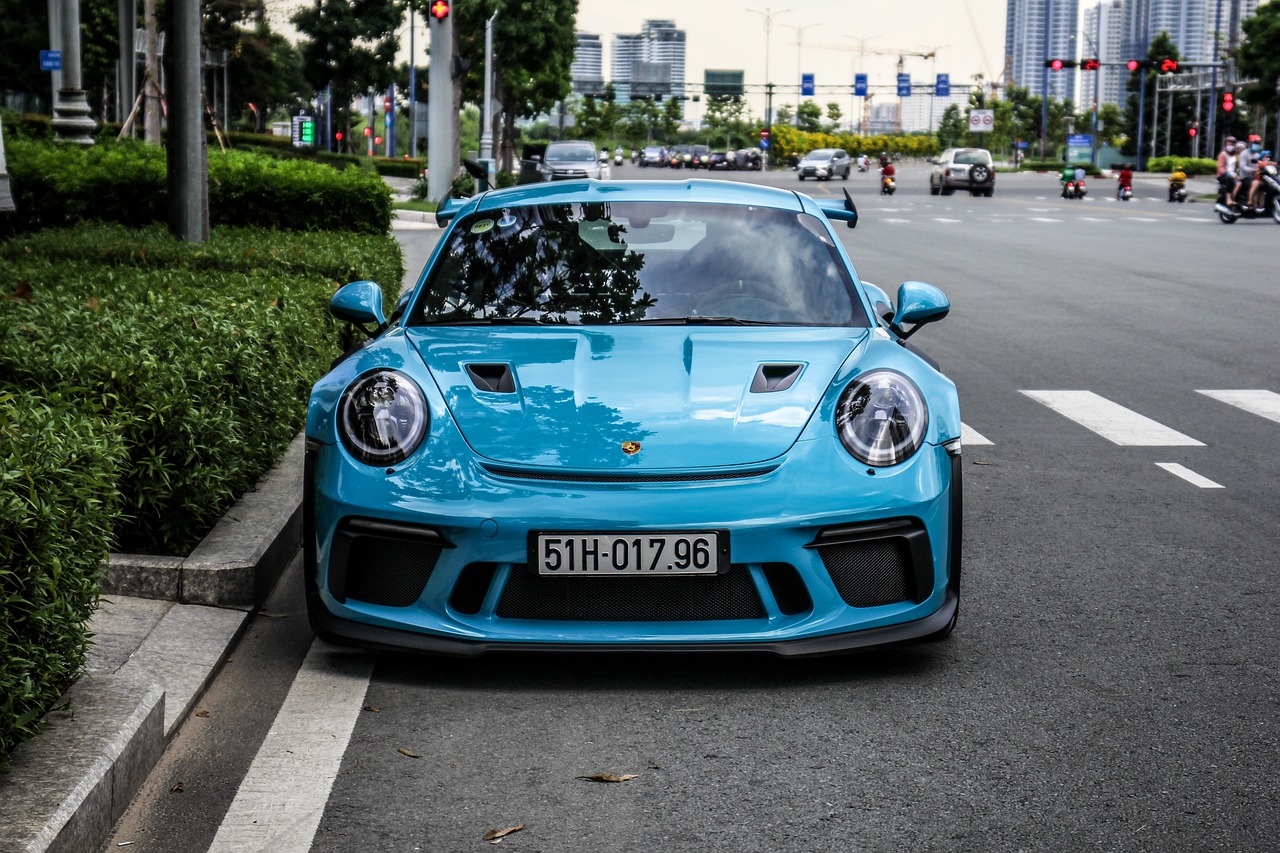
The best used luxury coupé and cabriolet models
Lotus V8 hybrid supercar revealed

Around Bucharest – day trips from Bucharest