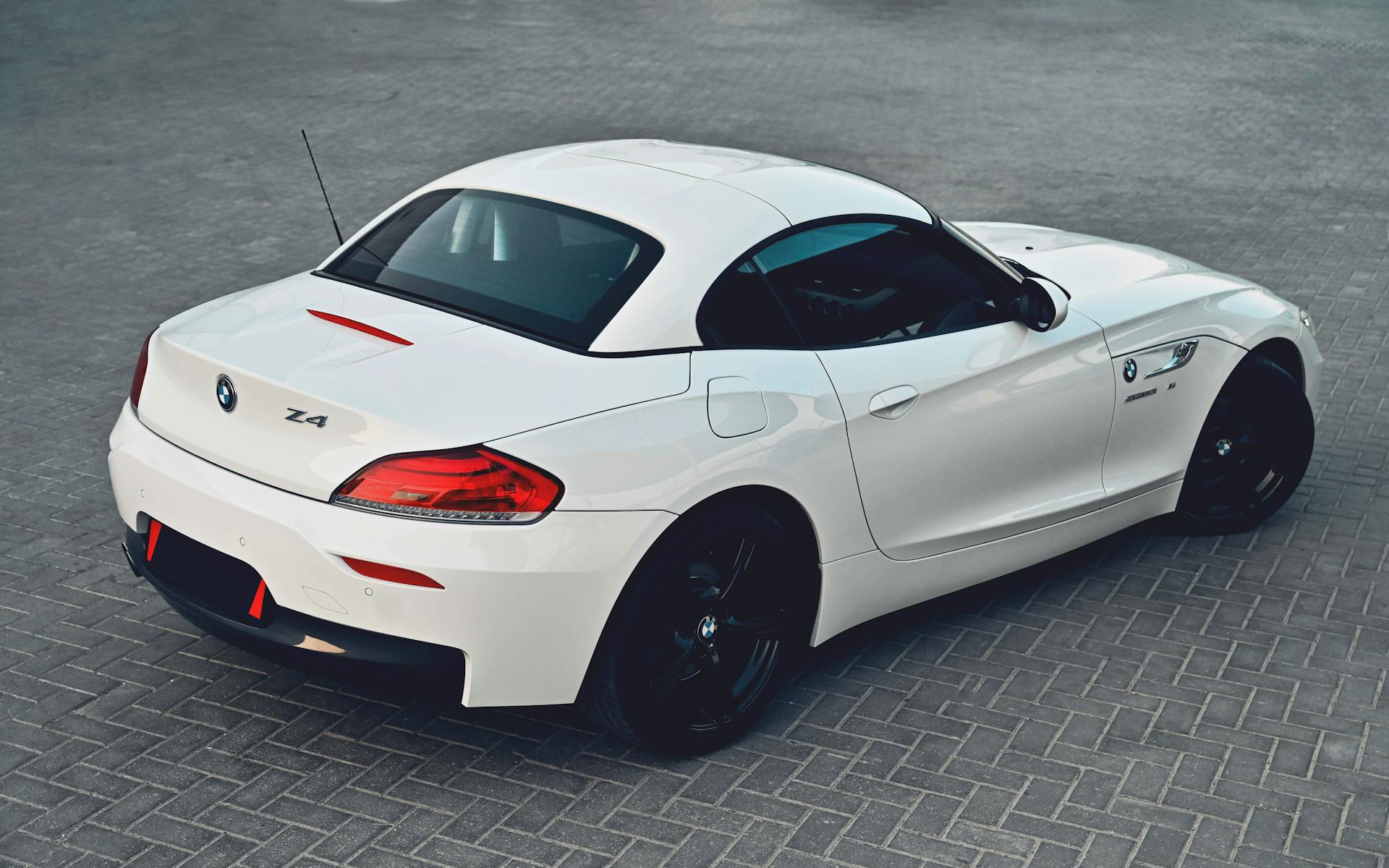
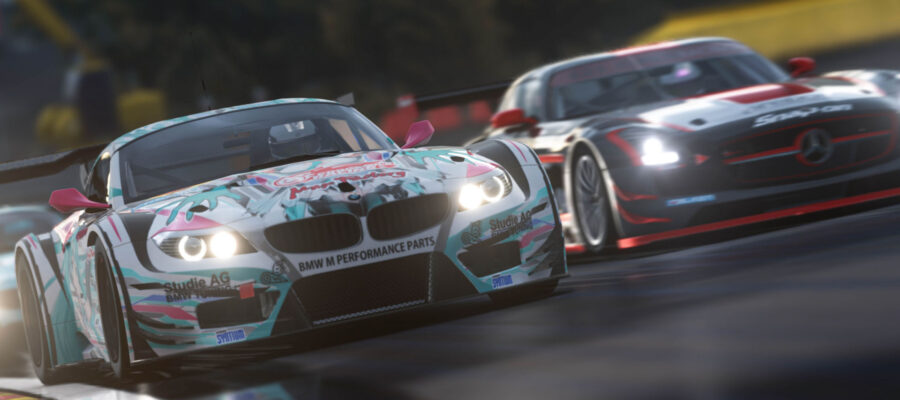
When talking about luxury cars, two names often come to mind: BMW vs Mercedes-Benz. These automotive giants have been fighting for the top spot in the luxury segment for decades, and each brand offers a unique blend of style, performance and technology. But which is really the best? Here is a brief history of the two brands:
BMW versus Mercedes-Benz
Founded in 1916, BMW (Bayerische Motoren Werke) began as a manufacturer of aircraft engines before moving into the automotive and motorcycle industries. Today, BMW is known for its luxurious sedans, sporty coupes and agile SUVs, all with the iconic blue and white logo. The core philosophy of the brand revolves around providing the “Ultimate Driving Machine” experience.
Mercedes-Benz, a division of Daimler AG, traces its roots to the late 19th century, when Gottlieb Daimler and Carl Benz independently developed the world’s first gasoline-powered automobiles. The brand, synonymous with luxury and innovation, has a diverse range of vehicles, including sedans, coupes, SUVs and commercial vehicles.
Exterior design
BMW vs Mercedes-Benz: Both have distinct design languages that differentiate them. BMW vehicles often feature aggressive lines and a prominent grille, while Mercedes-Benz, on the other hand, boasts a more elegant and timeless design with smooth curves and a large three-pointed star logo.
Interior design
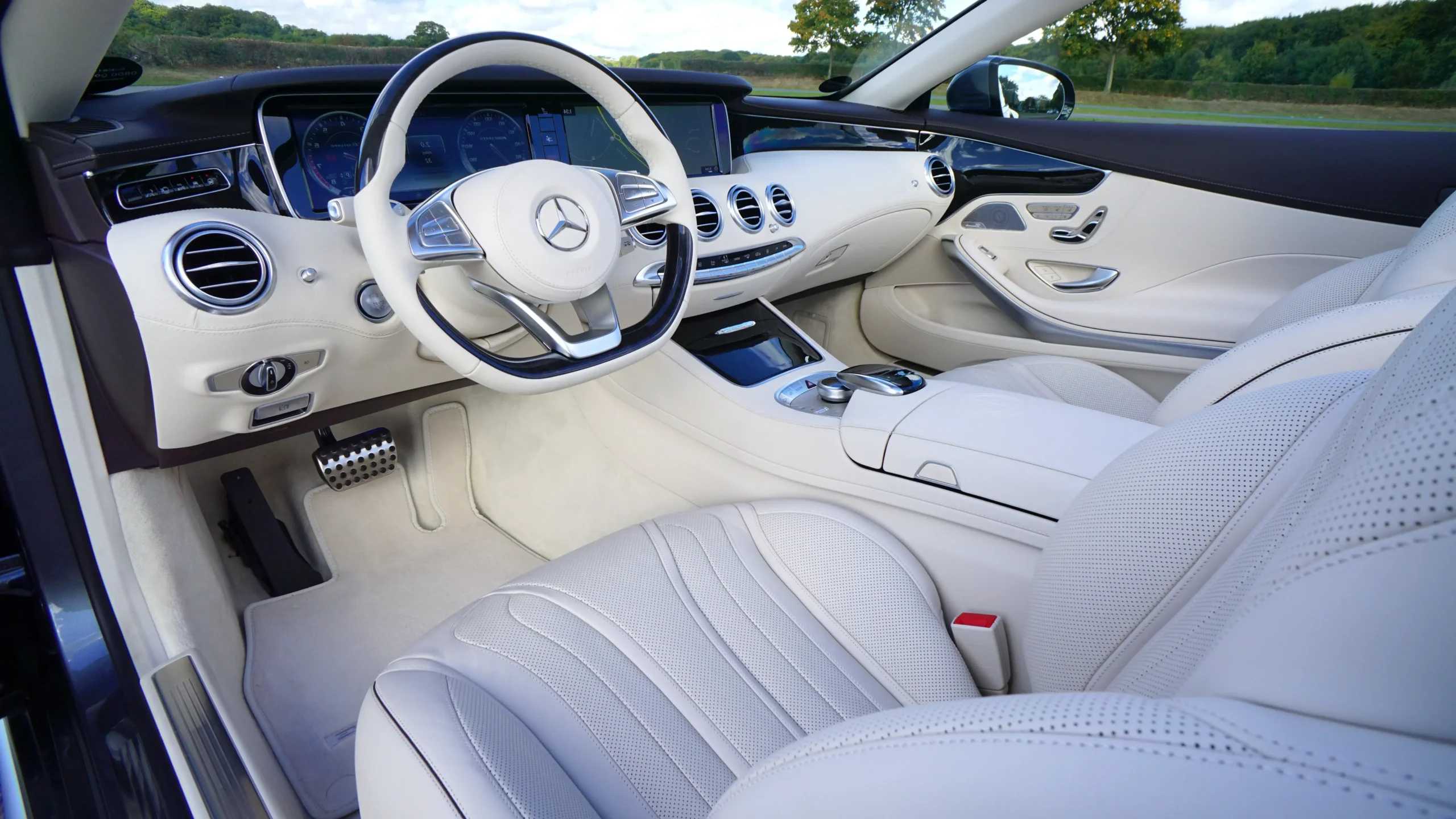
BMW vs. Mercedes-Benz: Both brands are known for luxurious interiors with high-quality materials, and BMW tends to focus on driver-oriented layouts, while Mercedes-Benz leans more toward opulence and comfort. However, personal preferences and specific models will ultimately determine which interior design you find most appealing.
engines
Both BMW and Mercedes-Benz offer an impressive range of engines, from fuel-efficient four-cylinder engines to powerful V8s and even high-performance AMG and M models. While it’s difficult to declare a winner in the BMW vs. Mercedes-Benz comparison, BMW is often praised for its naturally aspirated inline-six engines, while Mercedes-Benz is renowned for its powerful and refined V8s.
driveability
BMW has a reputation for building vehicles with exceptional handling and driving dynamics, living up to its motto «Ultimate Driving Machine». Mercedes-Benz, while still offering excellent handling, tends to favor driving comfort over sportiness. However, the high-performance divisions of both brands, BMW M and Mercedes-AMG, offer engaging driving experiences.
Infotainment
BMW vs Mercedes-Benz: Both automakers offer cutting-edge infotainment systems with easy-to-use interfaces, smartphone integration and voice commands. BMW’s iDrive system and Mercedes-Benz’s MBUX are constantly evolving, so the best choice often comes down to personal preference and familiarity.
Safety
BMW vs Mercedes-Benz: They are leaders in automotive safety, equipping their vehicles with advanced driver assistance systems such as adaptive cruise control, lane departure warning and automatic emergency braking, and both brands consistently receive top safety ratings from organizations such as Euro NCAP.
Comfort
When it comes to luxury and comfort in BMW versus Mercedes-Benz, both manufacturers excel at offering a great driving experience. However, the Mercedes-Benz has a slight edge in overall comfort, offering features like massaging seats, air suspension and advanced soundproofing. While such features are not lacking at BMW, the goal is to provide a more engaging driving experience, which can translate into a slightly more stable ride.
Reliability and maintenance
These are essential factors for luxury car buyers. From a historical point of view, the BMW vs Mercedes-Benz relationships are both very well known for the quality of the cars they produce and their reliability. Maintenance costs can be high for both brands compared to non-premium ones, but the value for money is good.
The impact on the environment
As emissions regulations become more stringent, both BMW and Mercedes-Benz have invested in technologies to reduce the environmental impact of their vehicles. Both offer a range of fuel-efficient models, including hybrid and plug-in hybrid variants.
Electrification in the world of luxury cars
Both BMW and Mercedes-Benz are making great strides in the field of electrification, with BMW’s i series and Mercedes-Benz’s EQ range demonstrating their commitment to a sustainable future. As the electric vehicle market continues to grow, both brands are likely to further expand their electric offerings.
Prices
BMW vs Mercedes-Benz: The initial purchase price can be similar, depending on the models compared. Therefore, making the best decision is limited to your preferences and allocated budget. Resale value is another essential consideration, as luxury vehicles often experience significant depreciation. Historically, both BMW and Mercedes-Benz have demonstrated relatively high resale values, with some models and configurations holding their value better than others.
In the old BMW vs Mercedes-Benz rivalry, picking a winner is not at all easy. Both brands offer exceptional design, performance, technology and luxury, each addressing different preferences and priorities. Ultimately, the best choice for you will depend on your needs and wants, and testing different models from both brands will help you determine which luxury car manufacturer is best for you.

latest posts published
The most comfortable car: a top 10 of the most comfortable cars
Van rental in Bucharest: when is it best and which model to choose? | Dex Car

Electric car sales in Europe rose 41% in March, boosting the new car market
Hongqi could start producing cars in Europe at the Stellantis plant in Spain
Leapmotor announces the launch of 3 new models on the European market in 2026
The best used luxury coupé and cabriolet models
Lotus V8 hybrid supercar revealed

Around Bucharest – day trips from Bucharest
Find out all about the 2026 McLaren Artura Hybrid 3.0 plug-in