
April 17, 2026 · 4 minute of reading
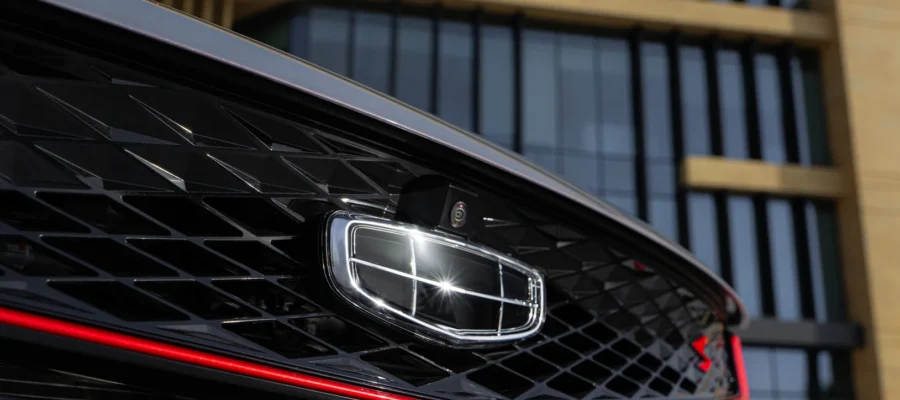
At a time when electric cars are gaining more and more traction, automakers around the world continue to invest in improving internal combustion engines. The objective is clear: to demonstrate that these engines have all the potential to provide excellent performance, low consumption and a lower impact on the environment. An important step in this direction was recently taken in China, where Geely – one of the main Asian car manufacturers – developed a hybrid engine with record thermal efficiency.
What does thermal efficiency mean and why is it important?
The thermal efficiency of an engine is the ratio of the useful energy produced by burning the fuel to the total energy available in the extracted fuel. In other words, the higher the thermal efficiency, the better the engine converts fuel energy into useful power, losing less energy as heat or other forms of useless energy.
For an average user, greater thermal efficiency translates into lower consumption, lower emissions and an engine capable of developing better performance without consuming more. This fact is essential for the future sustainability of combustion engine cars.
Record performance of Geely’s i-HEV hybrid system
According to the latest data, Geely has managed to achieve a thermal efficiency of around 45% for its internal combustion engine part of the i-HEV hybrid system. This is a remarkable performance, when compared to conventional engines which usually achieve a thermal efficiency of around 30-40%.
Geely’s i-HEV hybrid system combines a high-performance internal combustion engine with a sophisticated electrical system, enabling both reduced fuel consumption and improved response and available power under acceleration. Thanks to advanced algorithms, the engine works optimized in its maximum efficiency parameters.
The technology behind the success
To achieve this record of thermal efficiency, Geely engineers have developed a complex system in which the engine’s thermal performance is supported by intelligent management of operating parameters. This includes precise control of fuel injection and optimal ignition timing, accompanied by careful design of engine components.
Another crucial element is the integration of the combustion engine into an i-HEV hybrid system, where a battery and an electric motor assist the internal combustion engine to ensure a smoother driving experience, with efficient acceleration and significantly reduced consumption in urban traffic.
In real conditions of use, the average consumption announced for this technology is just 2.2 liters per 100 kilometres, an impressive result for a thermally powered car.
Implications for the automotive market in Romania and Europe
Although the electric car market is constantly developing in Romania and Europe, many motorists still rely on cars with combustion engines, especially since the charging infrastructure is incomplete and the prices of electric models remain high.
We therefore welcome technology capable of reducing consumption and polluting emissions without abandoning the petrol or diesel engine. Geely’s high-performance hybrid system can represent an important transition solution in the dialogue towards sustainable mobility.
For the Romanian market, the introduction of such models with advanced technology can mean a decrease in fuel costs for many users, but also a reduction in polluting emissions, thus contributing to the improvement of air quality in cities.
The challenges and future of internal combustion engines
Although Geely and other manufacturers are investing heavily in increasing the efficiency of combustion engines, several challenges remain on the horizon. European regulations are becoming increasingly stricter and the deadline for phasing out combustion engines is already announced for the next few years.
However, internal combustion engines will continue to be used for a long time to come, especially in combination with hybrid technologies and other green solutions. Efforts to increase thermal efficiency, as Geely is doing in China, are crucial to prolonging the relevance of this technology and minimizing its impact on the environment.
Conclusion
The new achievement of the Chinese manufacturer Geely, with a hybrid engine that achieves record thermal efficiency and extremely low consumption of just 2.2 litres/100 km, brings a ray of hope to the world of internal combustion engines. This technological outpost proves that, although electrification is the future, classic engines still have a lot to offer.
For Romanian motorists, these steps towards more efficient combustion engines mean fuel savings, but also a cleaner environment. It remains to be seen how the local market will adopt these technologies and what the long-term impact will be in the fight against climate change and the mobility challenges of the future.
SEO Tags: efficient engine China, Geely hybrid engine, low fuel consumption, record thermal efficiency, hybrid cars, consumption 2.2 liters per 100 km, automotive innovation, combustion engine technology, Romanian automotive market, sustainability in transport
latest posts published
The most comfortable car: a top 10 of the most comfortable cars
Van rental in Bucharest: when is it best and which model to choose? | Dex Car

Electric car sales in Europe rose 41% in March, boosting the new car market
Hongqi could start producing cars in Europe at the Stellantis plant in Spain
Leapmotor announces the launch of 3 new models on the European market in 2026
The best used luxury coupé and cabriolet models
Lotus V8 hybrid supercar revealed

Around Bucharest – day trips from Bucharest
Find out all about the 2026 McLaren Artura Hybrid 3.0 plug-in