Fuel consumption represents the quantity of fuel (petrol, diesel or LPG) that a car uses to travel 100 km and is usually expressed in l/100 km.
In practice, consumption decreases by optimizing 3 areas: driving style, technical condition and conditions of use (traffic, temperature, route).
Which driving techniques reduce fuel consumption?
Eco-friendly driving (smooth driving, without sudden acceleration) can reduce consumption by 10–40%. The most effective techniques are to anticipate traffic and maintain a constant speed.
Apply the principles of eco-driving (economical driving):
- Avoid aggressive driving (sudden acceleration, frequent braking): it can reduce fuel economy by approximately 15–30% on the motorway and by approximately 10–40% in stop&go.
- Anticipate traffic: lift your foot early, keep your distance, «flow» in the column without unnecessary braking.
- Keep your speed as constant as possible: frequent speed changes cost fuel.
- Punctual gear changes (manual gearbox): you change gear when the engine pulls slightly; avoid high revs unnecessarily.
- Limit idling: turning off the engine for longer stops saves money; generally, if you’re sitting for more than 1 minute, it’s worth stopping (or letting the start-stop system work).
- Reduce aerodynamic drag: remove the box/roof rack when not in use; at high speeds consumption increases considerably (see also speed paragraph).
Why does my car consume more fuel than normal?
The most common causes are low tire pressure (+2–10% consumption) and dirty air filter (+5–15%). An OBD diagnostic quickly identifies the problem.
Details:
- Tire pressure too low: At about 75% of the recommended pressure, the penalty is about 2–3%; in case of strong under-swelling it can reach approximately 5–10% (depending on speed).
- Short trips + cold engine: consumption increases until the optimal temperature is reached.
- Used consumables: dirty air filter, wrong oil, worn spark plugs (petrol) / ignition problems (diesel).
- Power/sensor problems: lambda probe, MAF, injectors; to diesel and EGR/DPF.
- Unbalanced geometry / brakes that «hold»: increased rolling resistance.
- Useless weight: every additional load makes itself felt. As a point of reference, about 100 pounds (≈45 kg) more can reduce economy by about 1% (small cars are most affected).
If the difference is sudden (e.g. +1–2 l/100 km compared to «normal»), an OBD diagnosis + pressure/filter/brake check quickly identifies the cause.
What is the average fuel consumption per 100 km?
«Normal» consumption varies between 4 and 8 l/100 km for modern cars, depending on the engine, mass and driving style. Actual consumption is usually 10–25% higher than the declared WLTP.
«Normal» depends on engine, mass, route, season and style. To correctly calculate actual consumption:
- Fill (to the same level).
- I normally drive 300–600 km.
- Refuel and note the liters dispensed.
- Formula: Consumption (l/100 km) = liters fueled ÷ km traveled × 100.
Declared consumption vs actual consumption (why it’s different)
The official values are measured in the WLTP standard and can be respected in real life 10–25% more because of:
- real traffic (stop&go, traffic lights)
- extreme temperature (heat or freezing)
- additional cost
- non-optimised tyres
- aggressive driving style
How does speed affect fuel consumption?
After ~80 km/h, every additional 10 km/h increases consumption by ~5–10%. Ceiling accessories amplify the effect by up to +25%.
At high speeds, air resistance increases rapidly and consumption increases significantly:
- In general, after ~50 mph (≈80 km/h) consumption begins to decrease more and more rapidly, and each increase in speed “pays” in fuel.
- Roof accessories amplify the effect: a roof box can reduce fuel consumption by ~6–17% on the highway and up to ~10–25% at speeds of 65–75 mph (≈105–120 km/h).
What car maintenance helps reduce fuel consumption?
Regular maintenance can reduce consumption by 5–25%. The most important thing: tire pressure and clean air filter.
Simple checklist:
- Envelope: correct pressure + uniform wear.
- Air filter: clean = more efficient engine.
- Oil according to specifications: reduces friction and losses.
- Spark plugs (petrol) / injection system: better combustion.
- Geometry + balance: lower rolling resistance.
- Brakes: non-locking grippers/sliders.
- Start-stop (if present): use it; idling consumes unnecessarily and longer stops of about 1 minute are generally advantageous.
Does tire pressure affect fuel consumption?
Yes, directly. Underinflation can increase consumption by 2–10%. Check cold pressure every 2-4 weeks.
- Check the pressure when cold, once every 2-4 weeks and before a long trip.
- Use the values on the label on the door/driver’s manual.
Does air conditioning increase fuel consumption?
Yes, significantly. In hot weather and on short trips, air conditioning can increase fuel consumption by more than 25%. At high speed, it is even more efficient than opening windows.
How to reduce the impact:
- We start with recirculation after having cooled the passenger compartment a little.
- Avoid extreme settings (very large difference from outside).
- At high speed, air conditioning is usually more efficient than with open windows (due to aerodynamic drag).
Which cars have low fuel consumption?
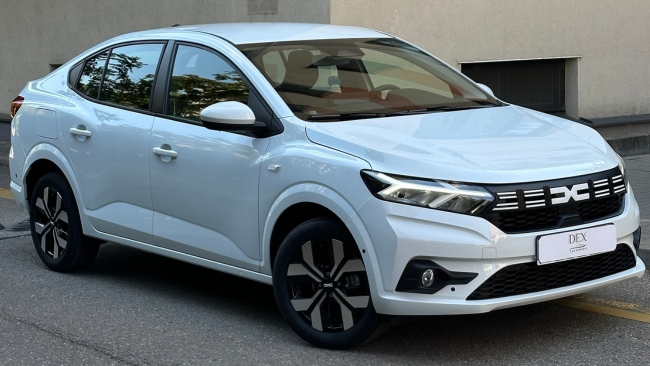
Our fleet of over 50 new cars includes many fuel-efficient models. Here are some:
We invite you to familiarize yourself with our entire range of long and short term rental offers.
Note: Values may vary depending on version/equipment and actual consumption may be 10–25% higher than WLTP.
Petrol or diesel: which consumes less?
It depends on the use. The full hybrid model is the most efficient in the city, the diesel on the highway and the LPG offers the lowest cost/km.
Conclusion:
latest posts published
The most comfortable car: a top 10 of the most comfortable cars
Van rental in Bucharest: when is it best and which model to choose? | Dex Car

Electric car sales in Europe rose 41% in March, boosting the new car market
Hongqi could start producing cars in Europe at the Stellantis plant in Spain
Leapmotor announces the launch of 3 new models on the European market in 2026
The best used luxury coupé and cabriolet models
Lotus V8 hybrid supercar revealed

Around Bucharest – day trips from Bucharest
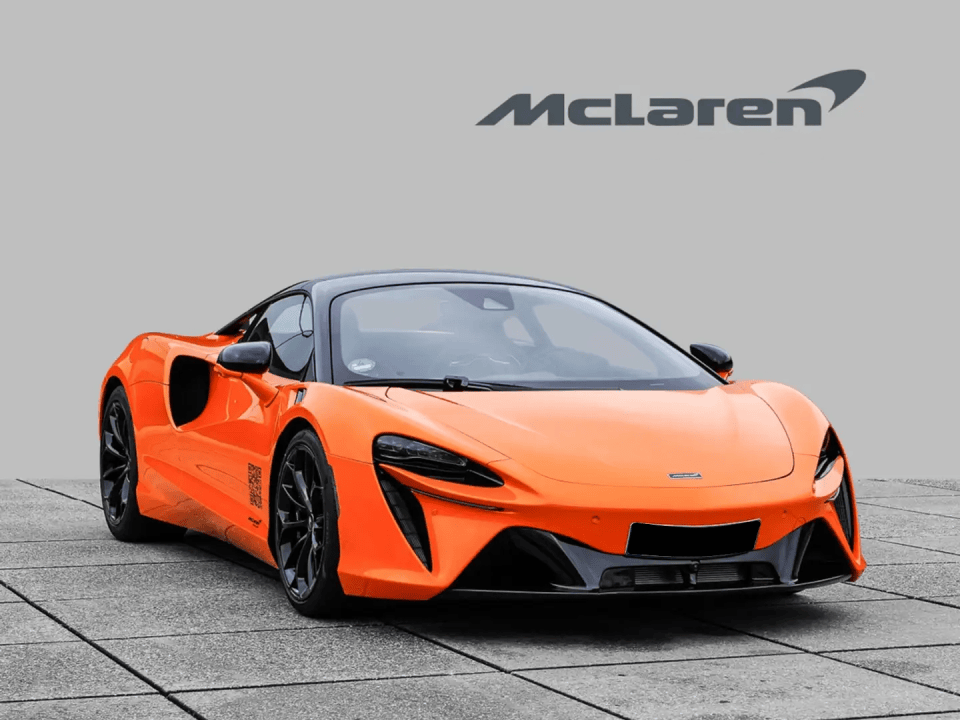
Find out all about the 2026 McLaren Artura Hybrid 3.0 plug-in