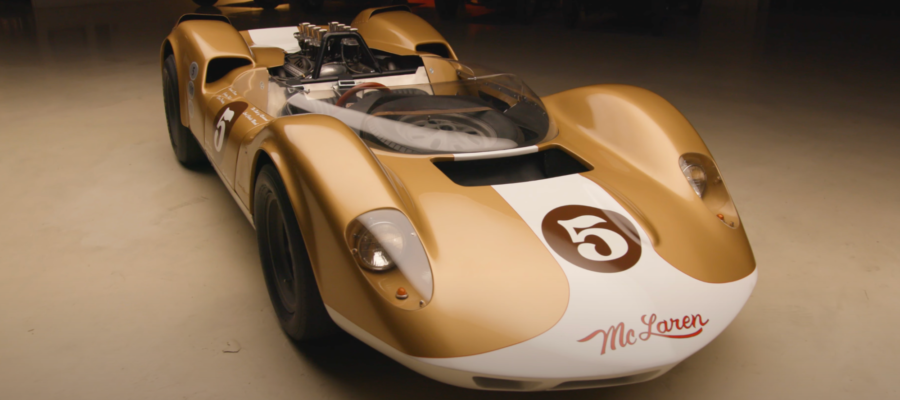
The first McLaren signified the start of a legend that ultimately took over the world of Formula 1 with 182 wins, 155 top starting positions and 151 quickest laps. As a car lover, I have always been intrigued by the story of this famous brand which dates back to 1963, when New Zealand racer and engineer Bruce McLaren started the company.
After an impressive growth in motor sports, where it got its first Formula 1 win in 1968, McLaren made a key move in 1993 when it went back to making road cars with the amazing McLaren F1. It is essential to recognize that this groundbreaking three-seat, mid-engine supercar set a speed record of 391 km/h, a record that stood until 2005. In this piece we will look into the captivating history of the first McLaren and how this legendary brand has developed over its 50-year journey.
Bruce McLaren’s first steps into the automotive world
Born on August 30, 1937 in Auckland, New Zealand, Bruce McLaren grew up surrounded by cars. His father, Les McLaren, owned a car workshop in Remuera and carried on the family tradition of racing motorcycles and later sports cars.
Young Bruce’s life changed dramatically at the age of nine when he was diagnosed with Legg-Calvé-Perthes disease, a hip disorder. He spent nearly three years in the Wilson Home for Disabled Children, including nearly two years in a wheelchair. However, this ordeal strengthened his character and determination.
After recovery, Bruce was left with one leg shorter than the other and a permanent limp. Unable to play contact sports, he turned to engineering, a field he excelled in at Seddon Memorial Technical College.
His first racing experience came at the age of 14 in 1952. He developed his skills in an Austin Seven, his father’s car, which he began racing in competitions soon after he turned 15.
In 1957, McLaren finished fifth in its first New Zealand Grand Prix. A year later he won the prestigious New Zealand Grand Prix. These results earned him the first «Driver to Europe» scholarship, funded by entrepreneurs passionate about motor sports.
In Europe, Australian driver Jack Brabham recommended it over the Cooper Car for Formula 2 racing. McLaren impressed the motor racing world at the 1958 German Grand Prix, where he finished fifth overall, the first Formula 2 driver to place so well in a competition with Formula 1 drivers.
The birth of the McLaren team and the first single-seater
In 1963, Bruce McLaren’s ambition led him to found his own team, Bruce McLaren Motor Racing Ltd. Initially, the team’s workshop was established in Feltham, England, before moving to Colnbrook in 1965. With a clear vision, Bruce prepared his team’s entry into Grand Prix racing.
The first car made by McLaren was the M1A in 1964, a sports racing car that immediately proved competitive in both Europe and the United States. However, his real Formula 1 debut came in 1966, when Bruce drove the M2B single-seater in Monaco. Although the race ended after just nine laps due to an oil leak, this moment marked the beginning of an extraordinary era.
Alongside his Formula 1 ambitions, Bruce built and raced sports cars. In 1966, together with compatriot Chris Amon, he won the prestigious 24 Hours of Le Mans in a Ford GT40. At the same time, his signature orange and incredibly loud Can-Am cars dominated the North American series for five consecutive seasons from 1967 to 1971.
The first major Formula 1 triumph came in 1968, when Bruce took the team’s first victory in Spa, Belgium. Unfortunately, on June 2, 1970, Bruce lost his life while testing the new Can-Am M8D car on the Goodwood circuit. Despite this devastating tragedy, the McLaren team continued to compete and win, thus honoring the legacy of its founder.
From racing to street: the beginning of McLaren Street Cars
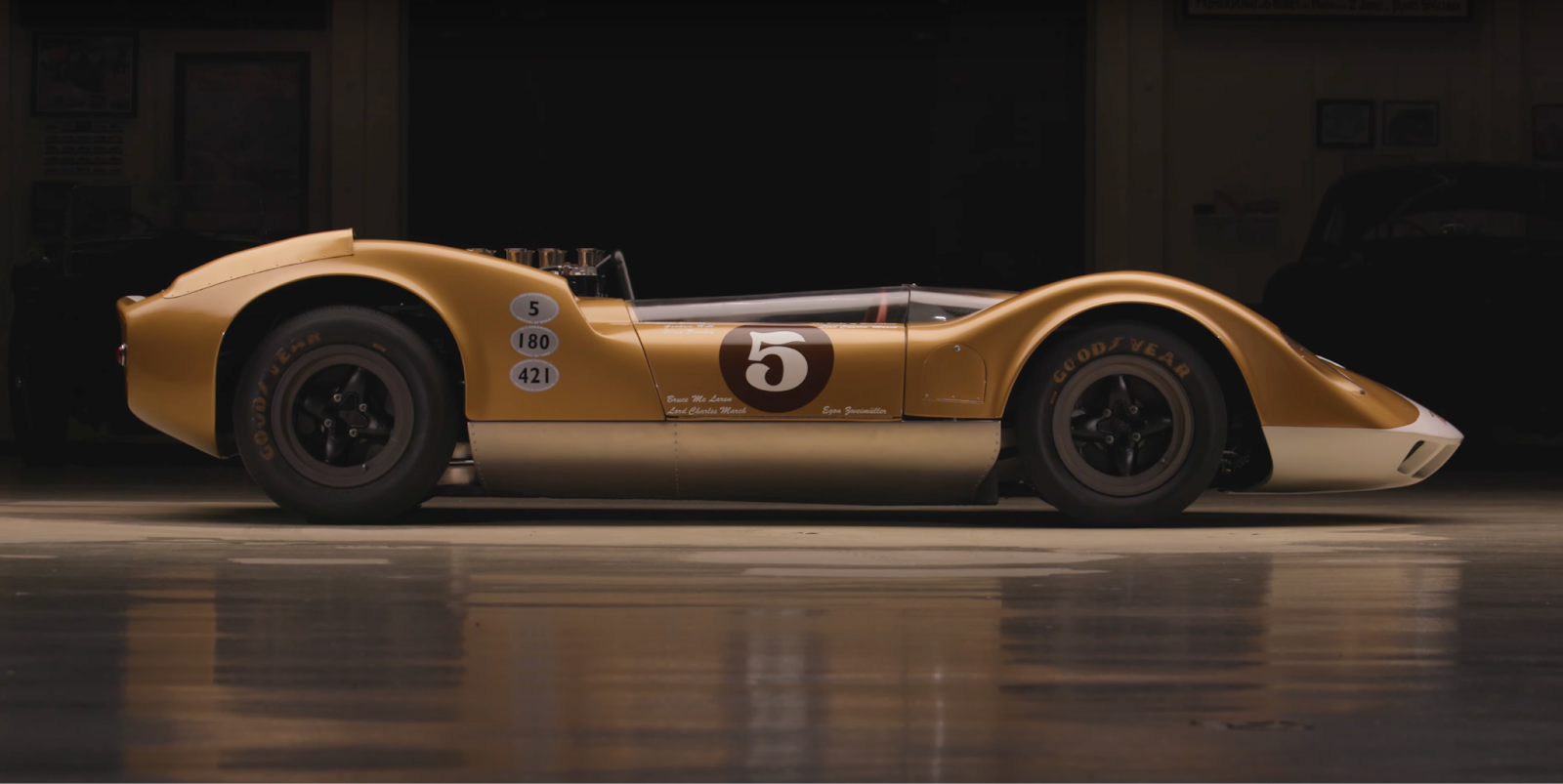
Bruce McLaren’s dream of building road cars took shape in 1969 with the creation of the M6GT prototype, the company’s first attempt to transition from racing to road cars. Originally designed for the Group 4 racing category, the M6GT project required the production of a minimum of 50 examples for homologation. Bruce personally used one of the two road prototypes, registered OBH 500H, to travel to work and to races.
The M6GT was powered by a 5.7-liter Chevrolet V8 engine modified by Al Bartz and could reach 165 mph (about 265 km/h). Unfortunately, the project was discontinued after Bruce’s death in 1970.
It was only in 1992 that McLaren launched the legendary F1, the first road car produced in a limited series of 106 units. The F1 set the world record for the fastest production car, reaching 386.4 km/h.
Subsequently, the collaboration with Mercedes-Benz led to the appearance of the SLR McLaren in 2003, of which 2,157 examples were produced until 2009. Powered by a 5.5-liter supercharged V8 with 626 hp, the SLR reached 335 km/h.
In 2011, McLaren Automotive launched the MP4-12C, marking the beginning of a new era of modern supercars. This success continued in 2013 with the P1, the brand’s first hybrid, which develops 916 hp and sets new performance standards.
latest posts published
The most comfortable car: a top 10 of the most comfortable cars
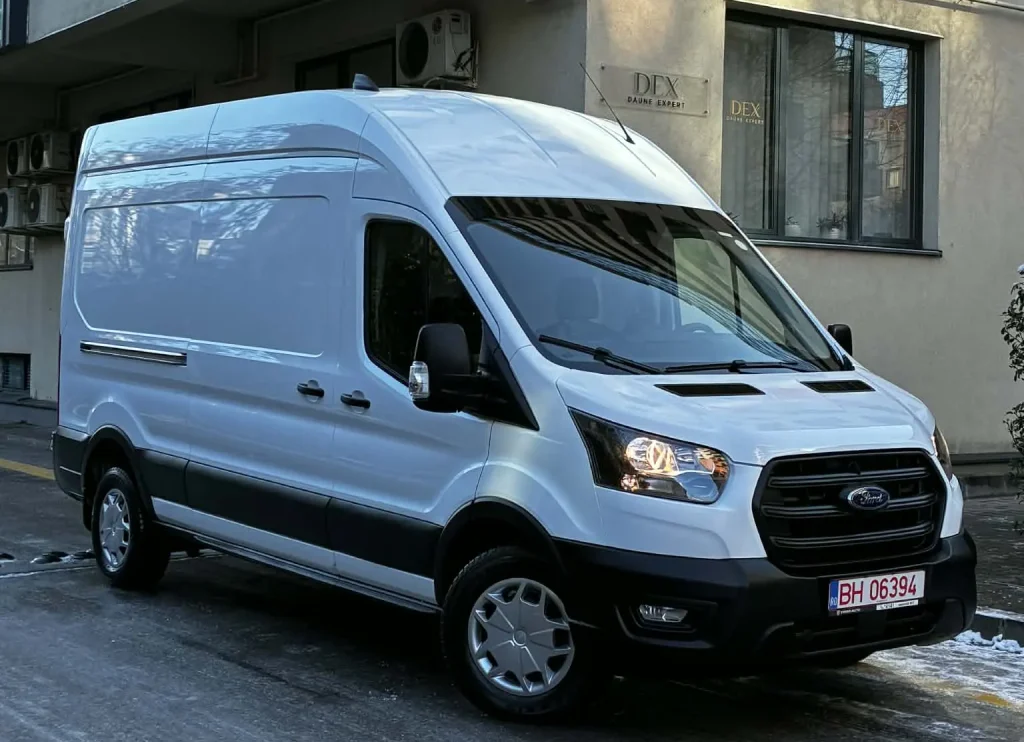
Van rental in Bucharest: when is it best and which model to choose? | Dex Car

Electric car sales in Europe rose 41% in March, boosting the new car market
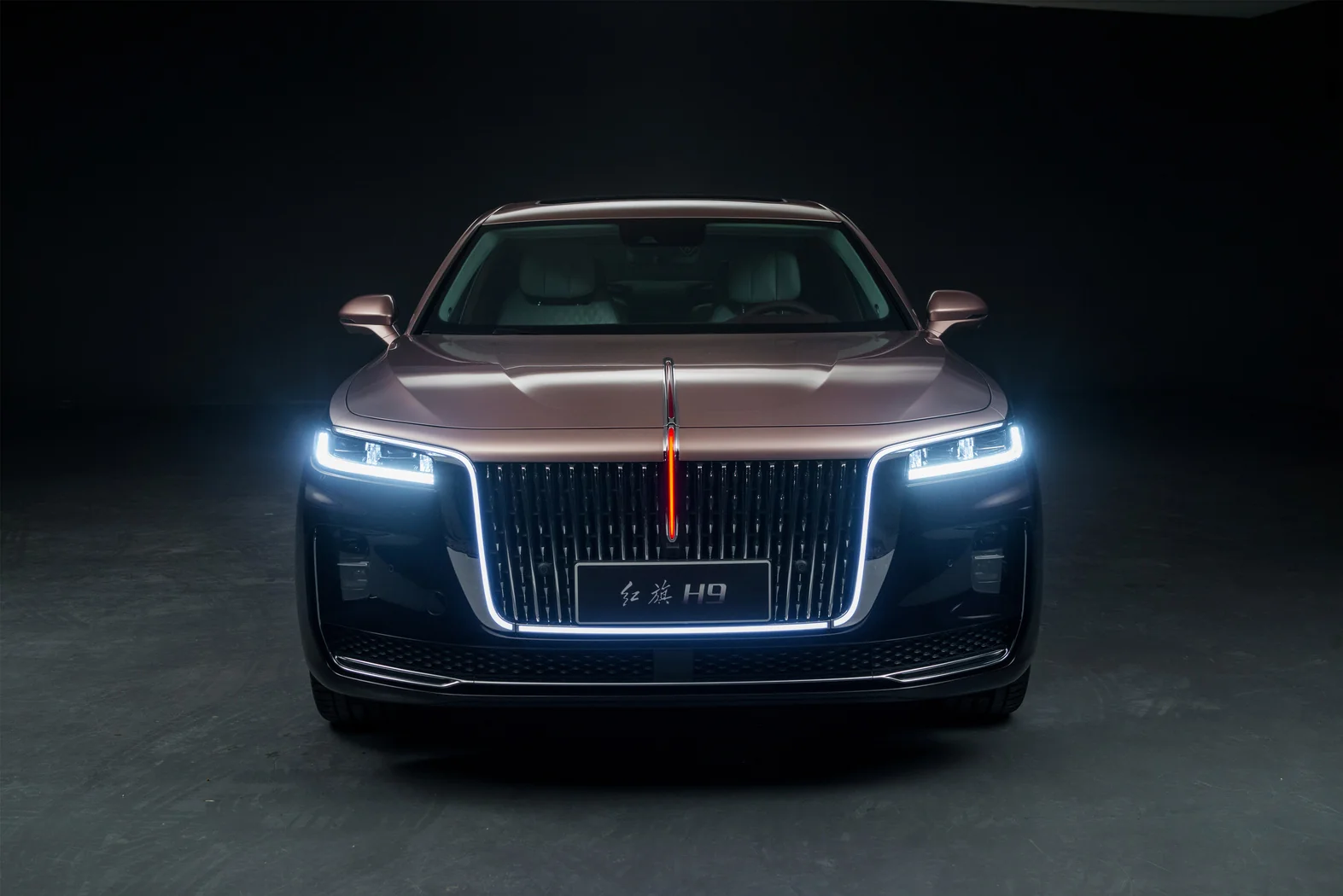
Hongqi could start producing cars in Europe at the Stellantis plant in Spain
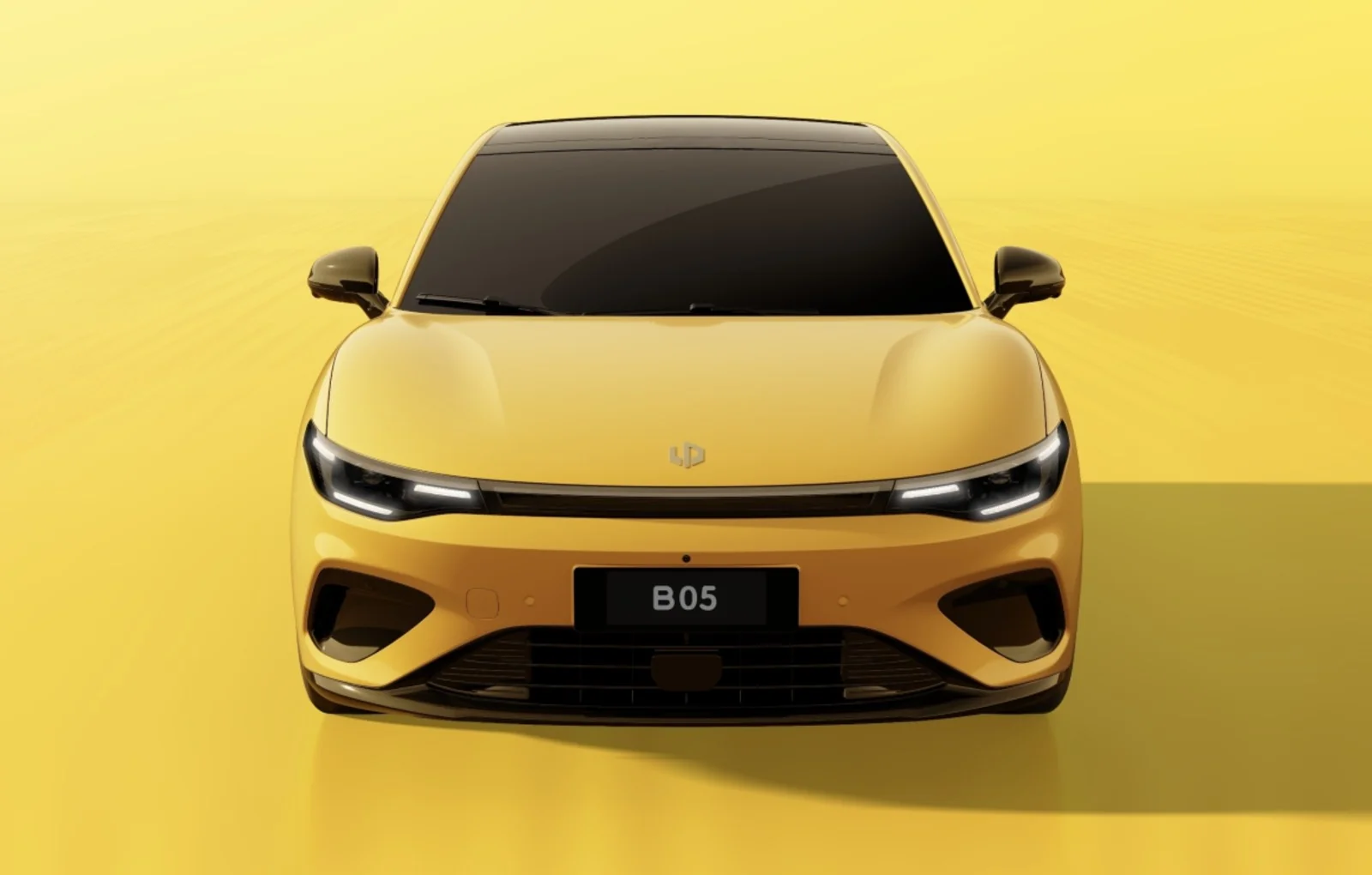
Leapmotor announces the launch of 3 new models on the European market in 2026
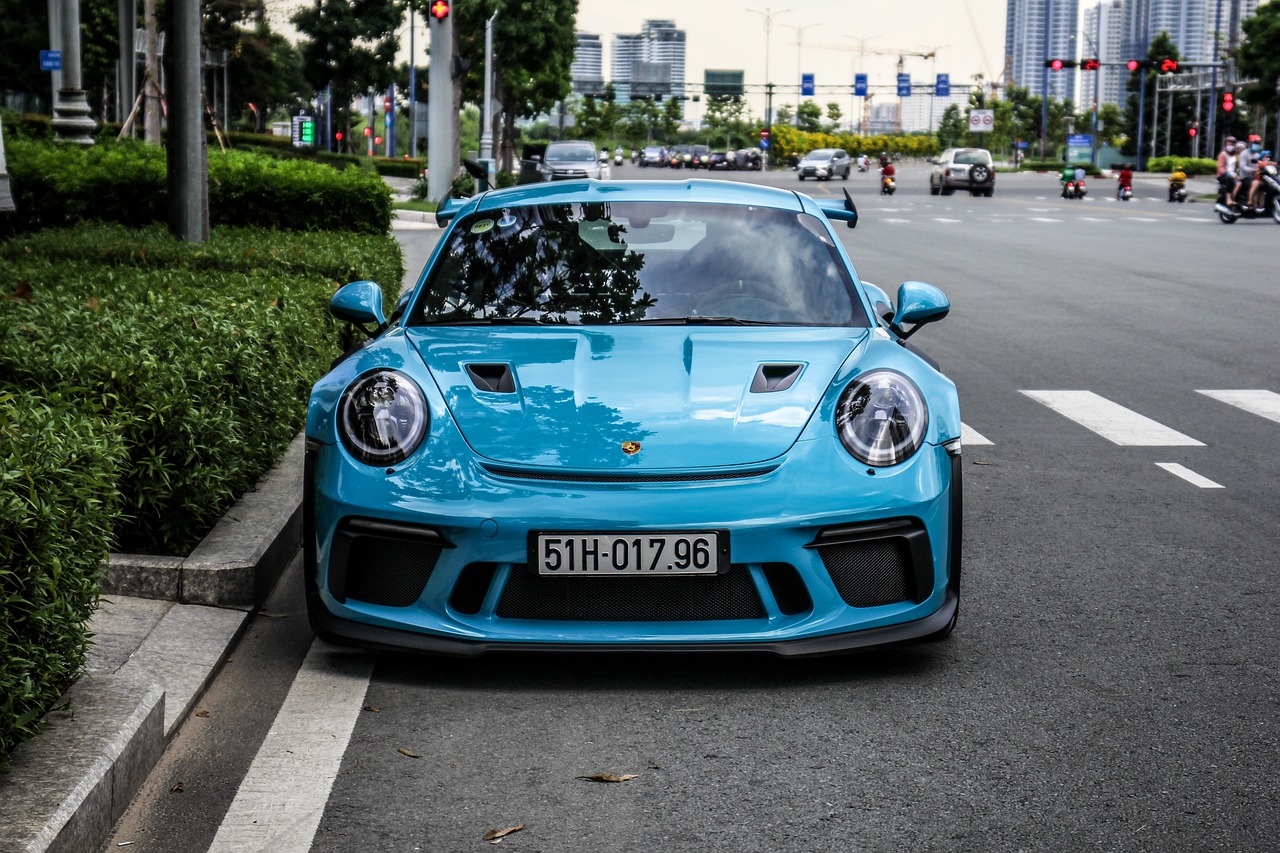
The best used luxury coupé and cabriolet models
Lotus V8 hybrid supercar revealed
Around Bucharest – day trips from Bucharest
Find out all about the 2026 McLaren Artura Hybrid 3.0 plug-in