There are cars that immediately attract attention, and there are cars that continue to be desired even after many years. The difference between them is not always apparent at launch.
In the luxury car segment, real value is not defined solely by performance or purchase price. Sometimes the most popular models are those that manage to remain current without depending on trends, without forcing the design and without losing their relevance with the emergence of a new generation.
This ability to pass through time gracefully is rare. And, most of the time, this doesn’t happen by chance.
Correct proportions, well-chosen materials, balanced configurations and a clear identity transform some cars into constant presences on the premium market. They are not necessarily the most spectacular. There are those who manage to maintain the same desire around them even when the context changes.
Design that doesn’t depend on trends
In the automotive industry, trends change rapidly. Some models are created for an immediate impact: aggressive lines, oversized elements, strong contrasts and details that aim to immediately attract attention.
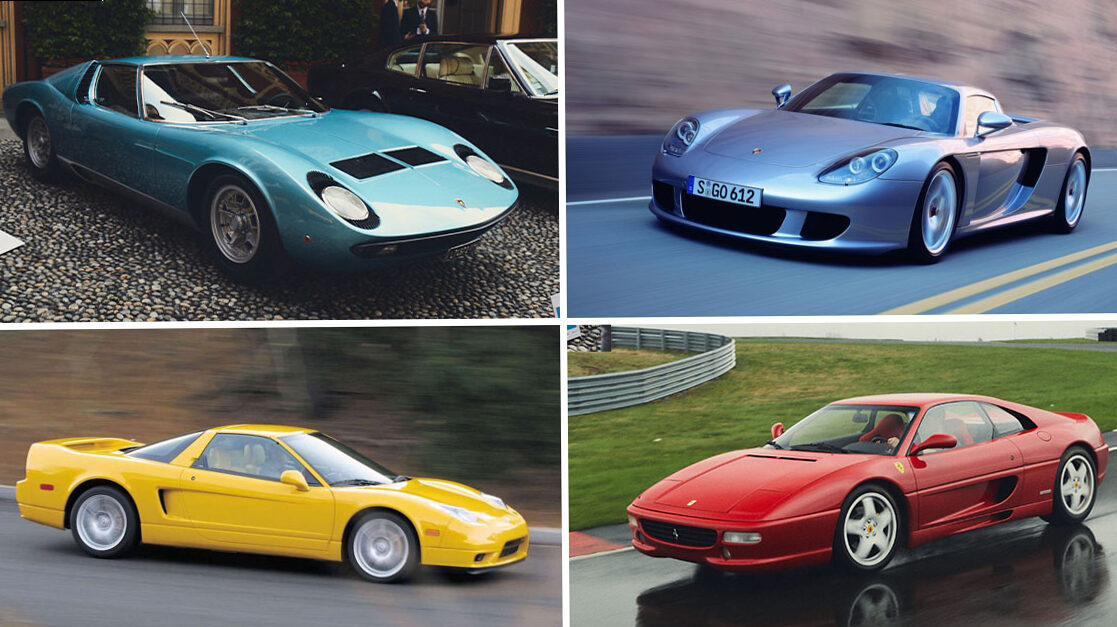
The problem is that precisely these elements tend to be quickly associated with a certain period.
In contrast, cars that hold their value better almost always have a more controlled design. The proportions are balanced, the surfaces are clean and the visual identity evolves gradually, without radical changes from one generation to the next.
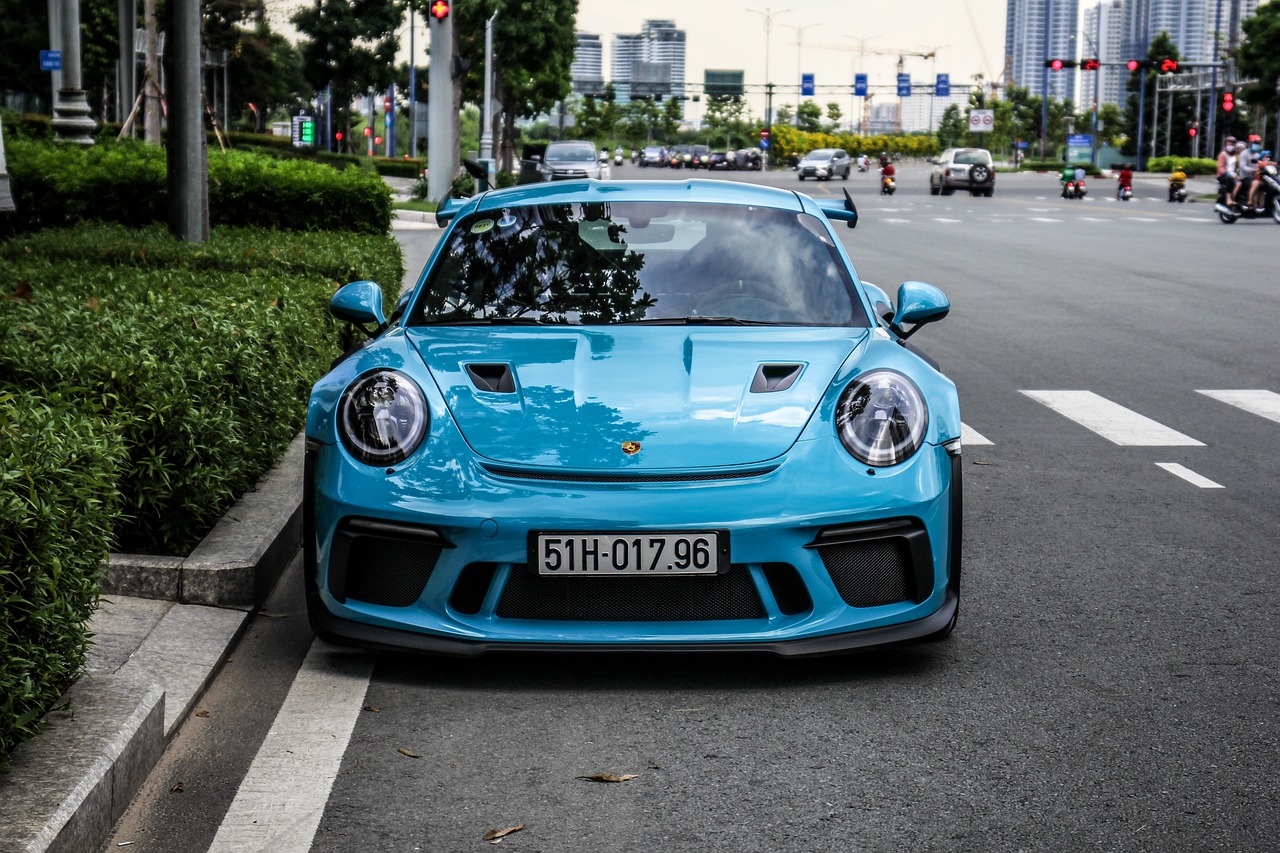
Few cars better illustrate the idea of value over time than the Porsche 911. While each generation brings important improvements, the overall design has remained recognizable for decades. This is one of the reasons why the model continues to be perceived as current regardless of the year.
The same principle can be observed in the case of models such as the Mercedes-Benz G-Class or the Range Rover. Their design does not try to follow every new trend, but maintains its own identity and proportions almost constantly.
In the luxury segment, continuity is often more valuable than aggressive change.
The right configuration can influence more than the model itself
In reality, two cars with identical model and engine could have completely different values after a few years. The difference almost always occurs at the configuration level.
Experienced customers usually look for combinations that resist elegantly over time:
- classic and balanced exterior colors
- Bright but discreet interiors
- natural materials and authentic finishes
- equipment oriented towards real comfort, not immediate visual effect
Conversely, some very aggressive configurations – extreme color schemes, oversized wheels or loaded visual packages – tend to limit the car’s appeal after a few years.
This becomes very evident in the secondary market. Cars with a balanced configuration continue to be sought after because they exude refinement without depending on the context in which they were launched.
In the premium area, discreet elegance almost always holds up better than excess.
The materials that maintain the feeling of quality
There are cars that, even after years, continue to offer the same sensation of solidity and refinement. In other cases, time becomes noticeably faster.
The difference lies in the materials used and the way they have been integrated into the interior.
Quality natural leather, real aluminum, real wood or well-crafted soft-touch surfaces maintain their structure and appearance much better over time. In contrast, shiny synthetic materials or surfaces that are very sensitive to wear tend to quickly lose their refinement.
A consistently configured interior continues to convey the same feeling of quality even after a long period of use.
This is one of the reasons why some premium models manage to remain desirable long after their release on the market. Not just how it looks, but how it continues to feel.
Engines that remain relevant
In the luxury segment, the value of a car is also influenced by the choice of engine.
In general, versions that are balanced and well integrated into the character of the car tend to last better over time than very niche extreme versions. The most powerful engine is not always the most desirable after a few years.
It matters a lot:
- sophistication in use
- automotive reputation
- perceived reliability
- compatibility with the type of vehicle
For example, some well-balanced V6 or V8 engines continue to be valued for the way they deliver power and the overall experience they provide, not just the performance numbers.
In many cases, real value comes from consistency, not extremes.
Cars that become part of a lifestyle
There are models that go beyond the status of a simple car and are associated with a certain lifestyle.
The G-Class is a clear example of this. Not just for the design or performance, but for the consistent image it has built over time. The same can be said of the Range Rover in the luxury SUV sector or the Porsche 911 in the sports sector.
These cars have managed to create such a clear identity that their relevance no longer depends solely on the current generation.
In such situations, value is supported by perception, reputation and continuity.
What long-term customers choose
Customers who have already tested several premium cars tend to see the idea of value differently.
Over time, the focus shifts:
- from visual impact to coherence
- from trends to discreet sophistication
- from spectacular configurations to balanced configurations
This is why the cars that last best are rarely the ones that go out of their way to impress.
The most valuable choices are often the best balanced ones.
Conclusion
The real value of a car is not defined exclusively by the time of purchase or its positioning on the market.
It is built over time, through consistent design, well-chosen materials, balanced configurations and the model’s ability to remain relevant regardless of changes in the industry.
The cars that hold their value best are almost always those that avoid excess and emphasize continuity, refinement and the authentic driving experience.
At BCCH Auto Switzerland the choice of a car is seen from exactly this perspective. Configuration, long-term relevance and overall balance are carefully considered so that each choice remains appropriate for years to come.
Because the true value of a car is not only given by what it offers today.
But the way continues to be desired over time.
latest posts published
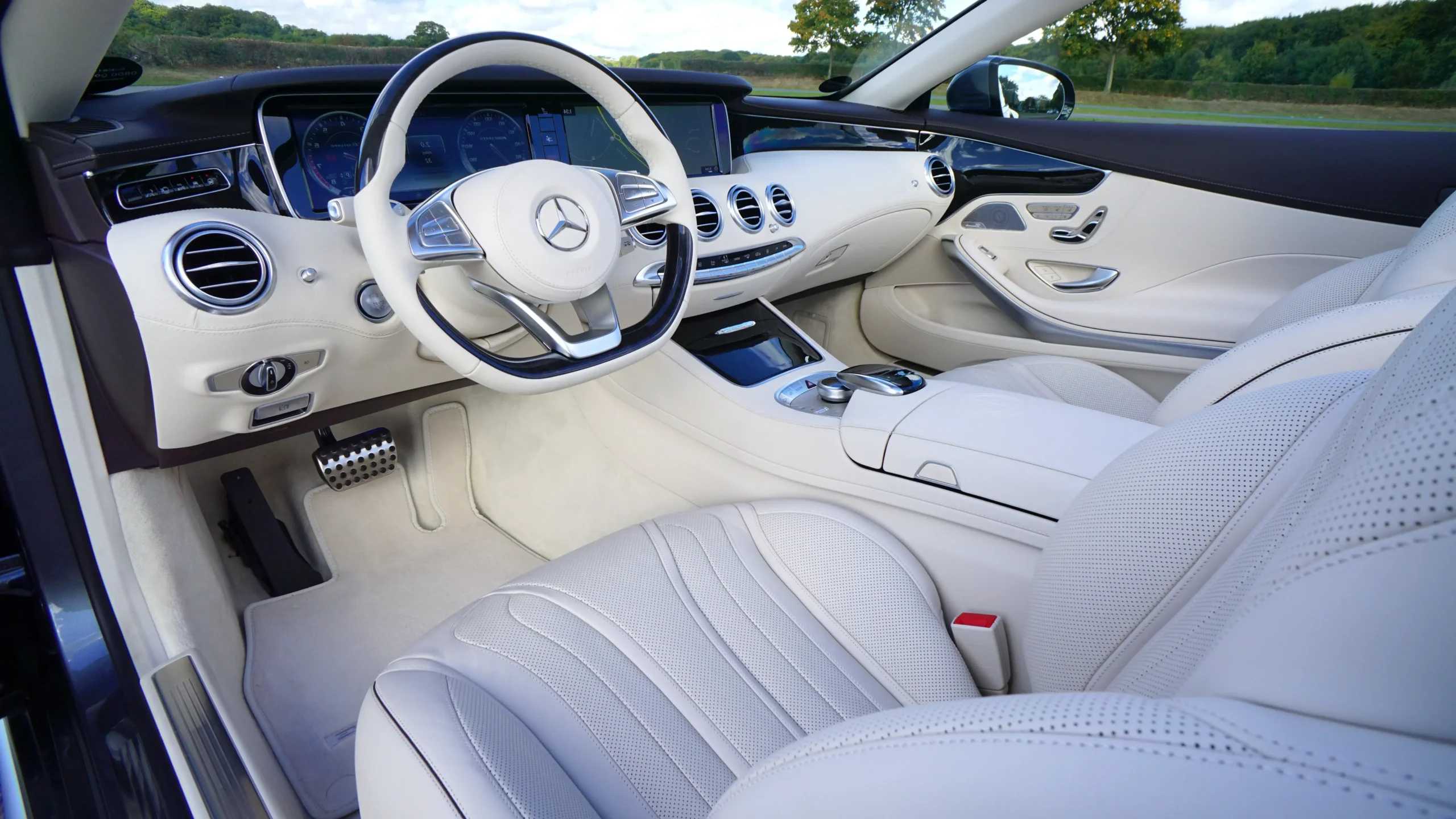
The most comfortable car: a top 10 of the most comfortable cars
Van rental in Bucharest: when is it best and which model to choose? | Dex Car

Electric car sales in Europe rose 41% in March, boosting the new car market
Hongqi could start producing cars in Europe at the Stellantis plant in Spain
Leapmotor announces the launch of 3 new models on the European market in 2026
The best used luxury coupé and cabriolet models
Lotus V8 hybrid supercar revealed

Around Bucharest – day trips from Bucharest
Find out all about the 2026 McLaren Artura Hybrid 3.0 plug-in