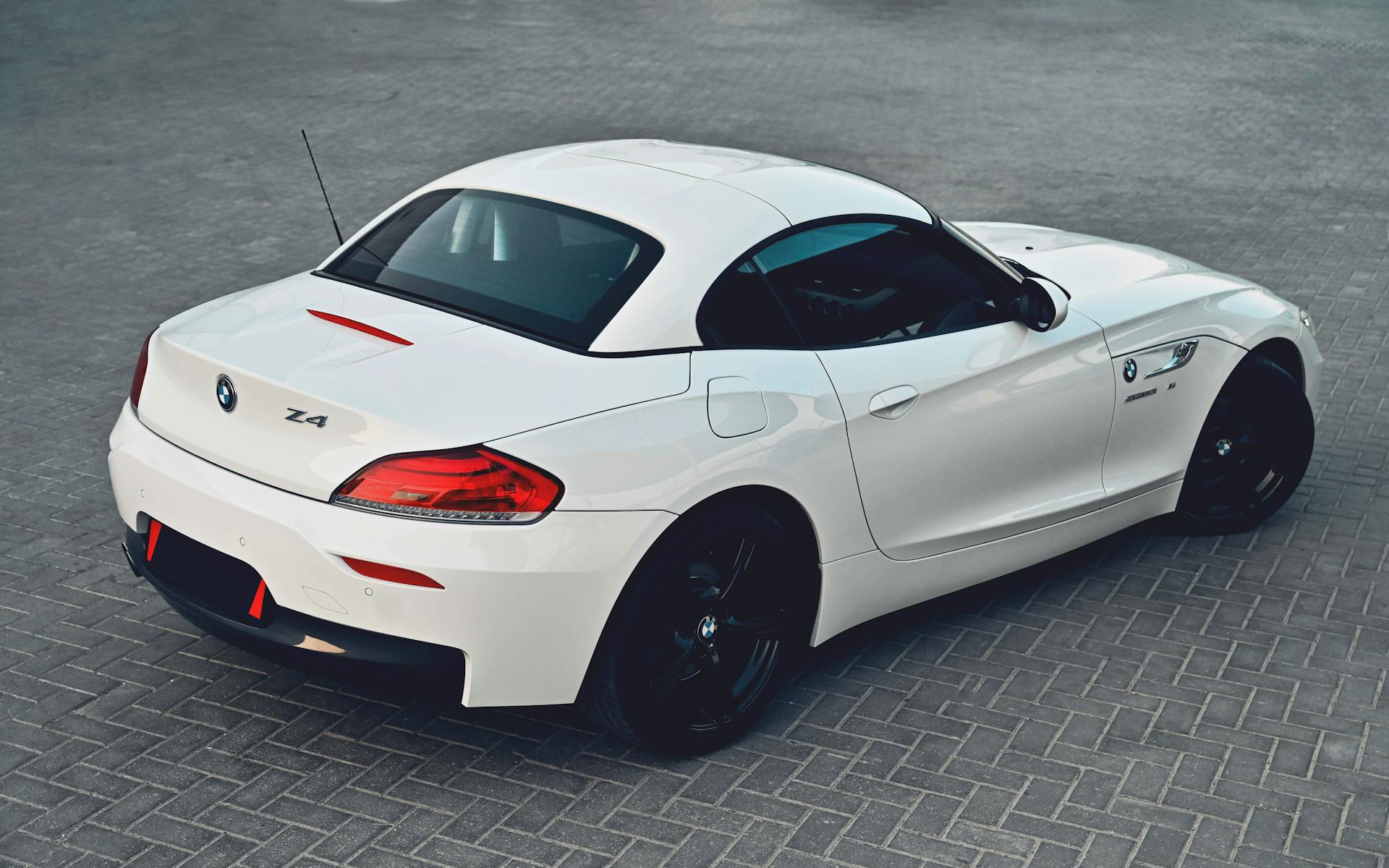
Genesis of BMW – The early years
About the history of BMW: An acronym for Bayerische Motoren Werke AG, BMW was founded in 1916 in Munich, Germany. Initially the company specialized in the production of aeronautical engines, stimulated by the needs of the First World War. The founders, Karl Rapp and Gustav Otto, combined their businesses, Rapp Motorenwerke and Gustav Otto Flugmaschinenfabrik, to form BMW. The iconic blue and white logo, representing the Bavarian flag, appeared in 1917, reflecting the company’s strong regional roots.
History of BMW – The transition to the automobile between the 1920s and 1930s
Following the 1919 Treaty of Versailles, which banned the production of aircraft engines in Germany, BMW moved into the production of motorcycles and automobiles, and in 1923 the company introduced its first motorcycle, the R32, featuring a 500cc boxer engine, marking the beginning of BMW’s illustrious line of motorcycles.
In 1928, BMW ventured into the automotive industry by acquiring Fahrzeugfabrik Eisenach, a German automobile manufacturer. This acquisition allowed BMW to produce its first car, the Dixi 3/15 DA-1, a compact model that was very successful. In the 1930s, BMW’s history continued with the production of sports and luxury vehicles, including the elegant BMW 327 and the iconic BMW 328, which achieved numerous victories in European motor racing.
The post-war renaissance: the 1950s and 1960s
After World War II, BMW faced several challenges, including plant closures and a ban on producing vehicles. However, BMW persisted and resumed motorcycle production in 1948, with the R24 model. The company’s reintroduction to automotive production came in 1952 with the BMW 501, a luxury sedan that cemented its reputation as a premium automaker.
The 1960s saw the emergence of the new class of sedans and coupes in BMW’s history, including the iconic BMW 2002 model. These vehicles combined sporty driving dynamics with sophisticated styling, pioneering the BMW design philosophy through excellence.
The birth of some iconic series: the 70s-90s
The 1970s continued the history of BMW with the debut of the 3, 5, 6 and 7 series, which form the core of the current BMW range, and the first generation of the 3 Series (E21), introduced in 1975, became a benchmark for sports sedans. Meanwhile, the BMW 5 Series (E12), launched in 1972, set a new standard for executive sedans, and the 7 Series (E23), introduced in 1977, highlighted cutting-edge technology and unparalleled luxury, while the 1980s 6 Series (E24) brought elegance to the coupe ranks.
BMW’s commitment to innovation led to the launch of the BMW M division in 1972, which produced high-performance variants of the company’s vehicles. The first car in BMW history with the M logo, the BMW M1, was a supercar that demonstrated the engineering mastery of the Germans.
Entering the 21st Century: Modern Technology and Expansion
At the beginning of the 21st century, BMW’s history shows that the manufacturer has maintained its dedication to technological progress and diversification. The acquisition of the Rolls-Royce brand in 1998 further strengthened its position in the luxury car segment. The early 2000s were marked by the introduction of the X series of BMW SUVs, starting with the BMW X5, which responded to the growing demand for luxury SUVs. Since then, the X series has expanded to include a range of SUVs, from the compact X1 to the new X7.
Electrification and sustainability – about the i series
Recognizing the need for sustainable mobility, BMW launched the i sub-brand in 2011, focusing on electric and plug-in hybrid vehicles. The BMW i3, an innovative electric city car, and the BMW i8, a revolutionary hybrid sports model, were the first two models introduced under this initiative. The sub-brand has become synonymous with the future of mobility, highlighting BMW’s commitment to reducing emissions and promoting sustainable driving.
BMW today: a global luxury automobile powerhouse
Over the years, BMW has established itself as a global leader in the luxury car industry, offering a diverse portfolio of vehicles that cater to different market segments. The company continues to innovate, pushing the limits of automotive technology and design. Examples from BMW’s recent history include the fully electric iX SUV and the advanced driver assistance systems incorporated into the latest 5 and 7 Series models.
Racing Legacy: From Track to Street
Long involvement in motorsports significantly influenced its production vehicles. BMW’s history shows us that the company’s participation in various sporting disciplines such as Formula 1, endurance racing and the iconic Mille Miglia, has refined its engineering expertise and encouraged a culture of performance. The fruits of these efforts can be seen in the M Division vehicles and motorsport-inspired M Performance models, which offer thrilling driving experiences.
A century of excellence
BMW’s history, spanning more than a century, is a testament to the company’s dedication to excellence, innovation and passion for driving. From its humble beginnings as an aircraft engine manufacturer to its current status as a world leader in luxury automobiles, BMW has constantly pushed boundaries, creating vehicles that embody the perfect combination of luxury, performance and technology. As the automotive landscape evolves, BMW’s story continues at the forefront, leading the fight for a more sustainable and connected future.

latest posts published
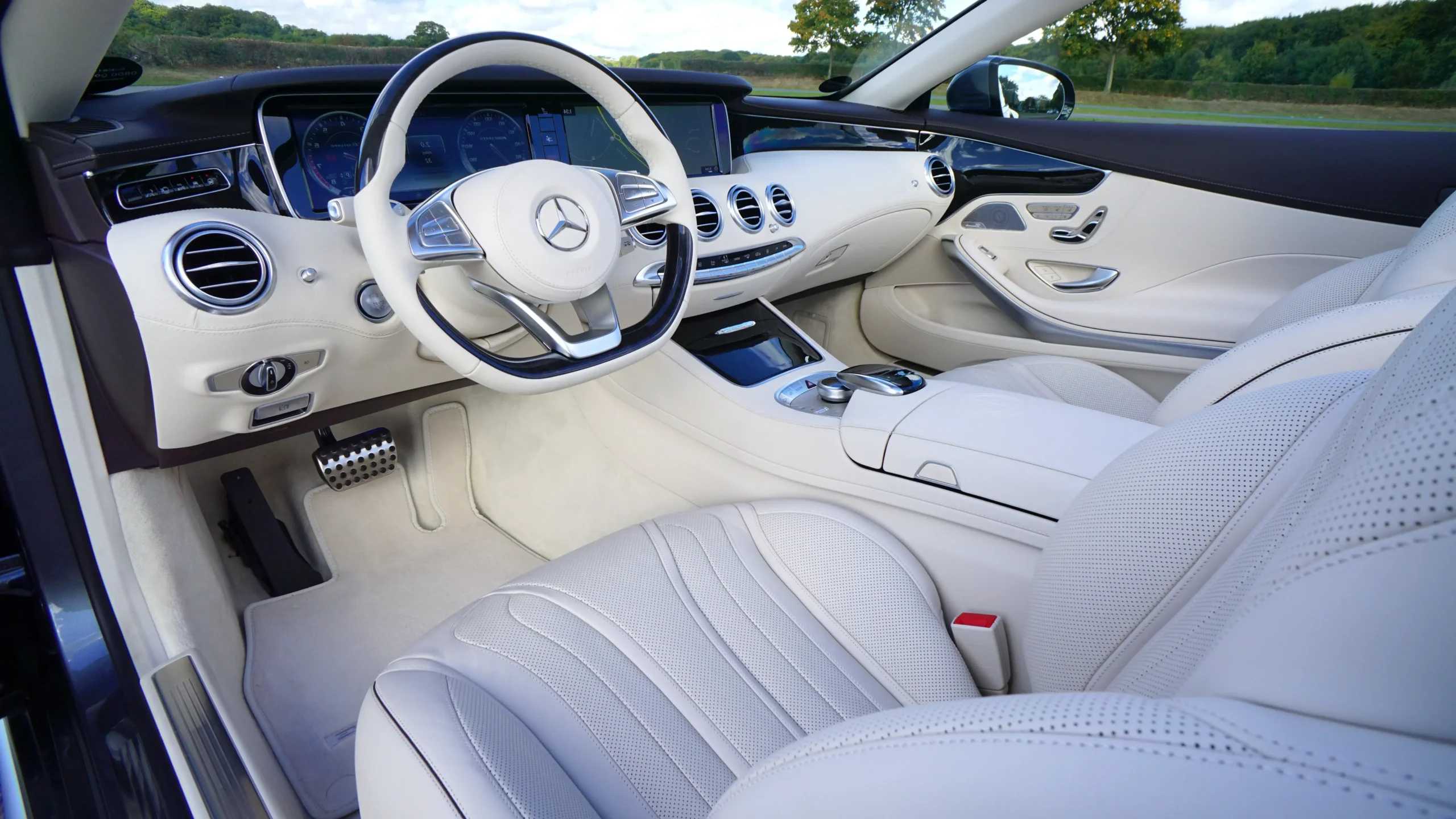
The most comfortable car: a top 10 of the most comfortable cars
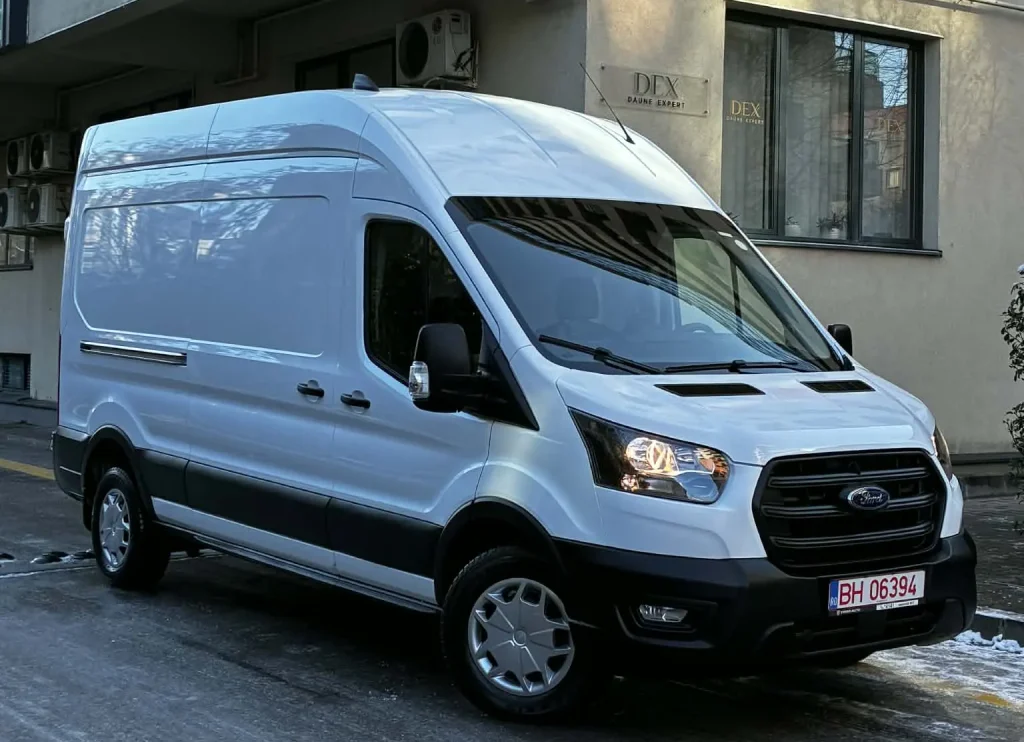
Van rental in Bucharest: when is it best and which model to choose? | Dex Car

Electric car sales in Europe rose 41% in March, boosting the new car market
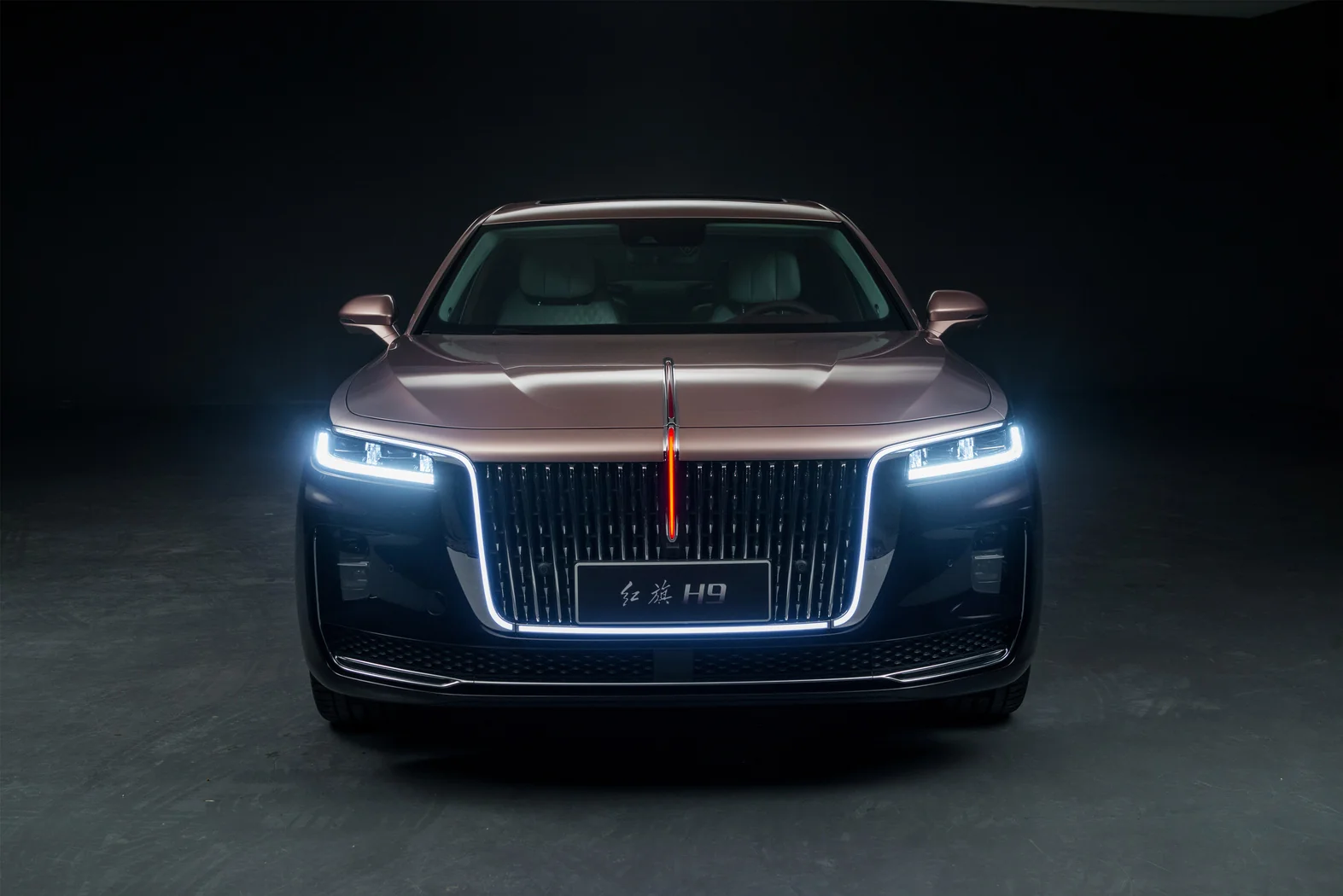
Hongqi could start producing cars in Europe at the Stellantis plant in Spain
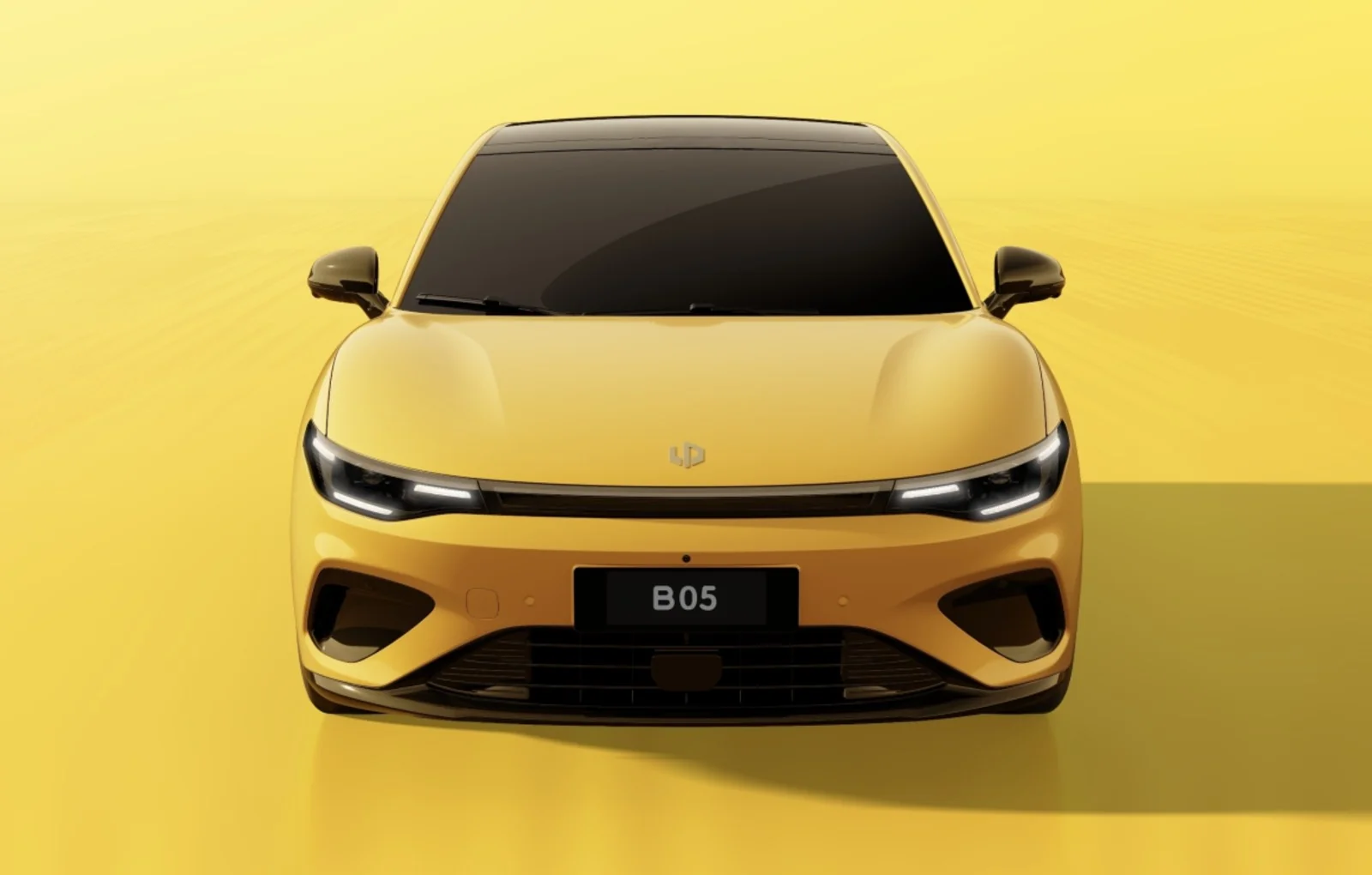
Leapmotor announces the launch of 3 new models on the European market in 2026
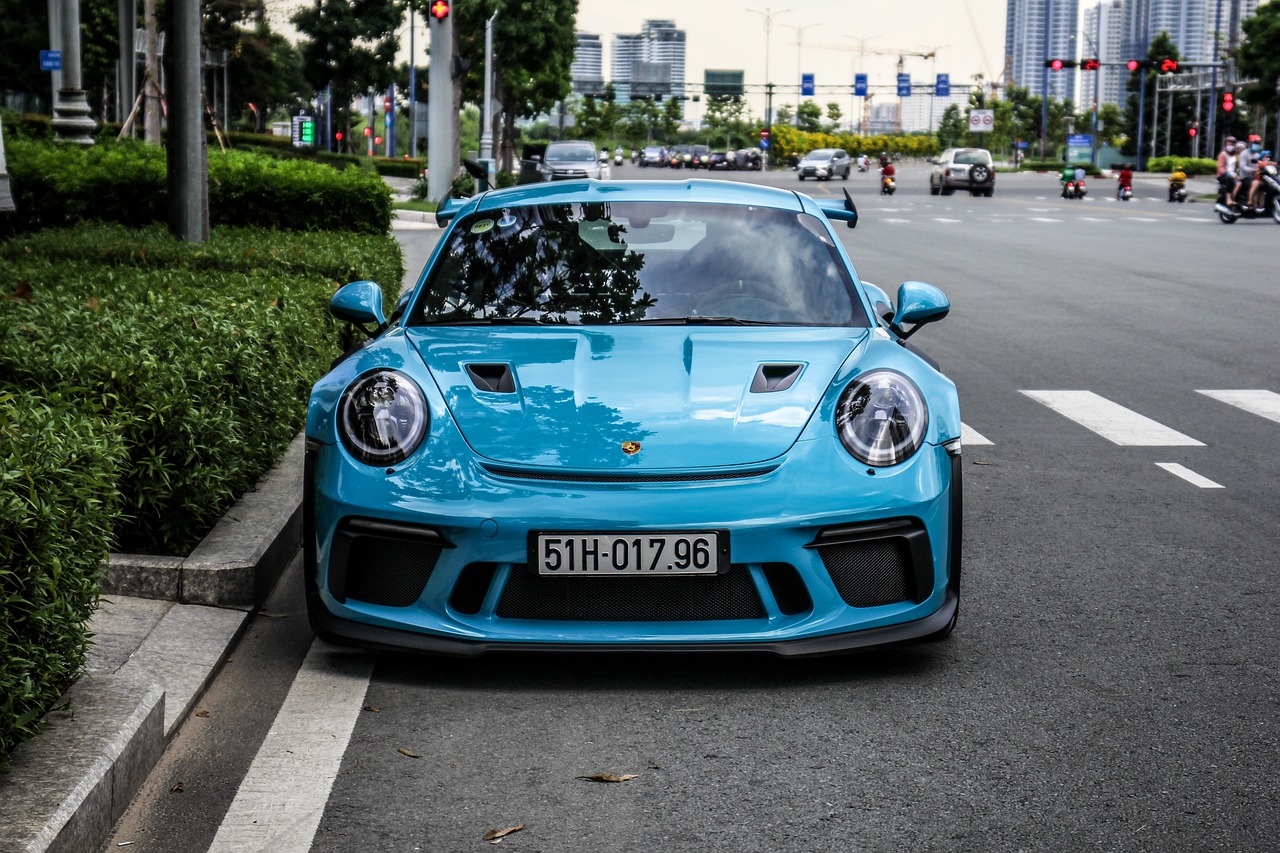
The best used luxury coupé and cabriolet models
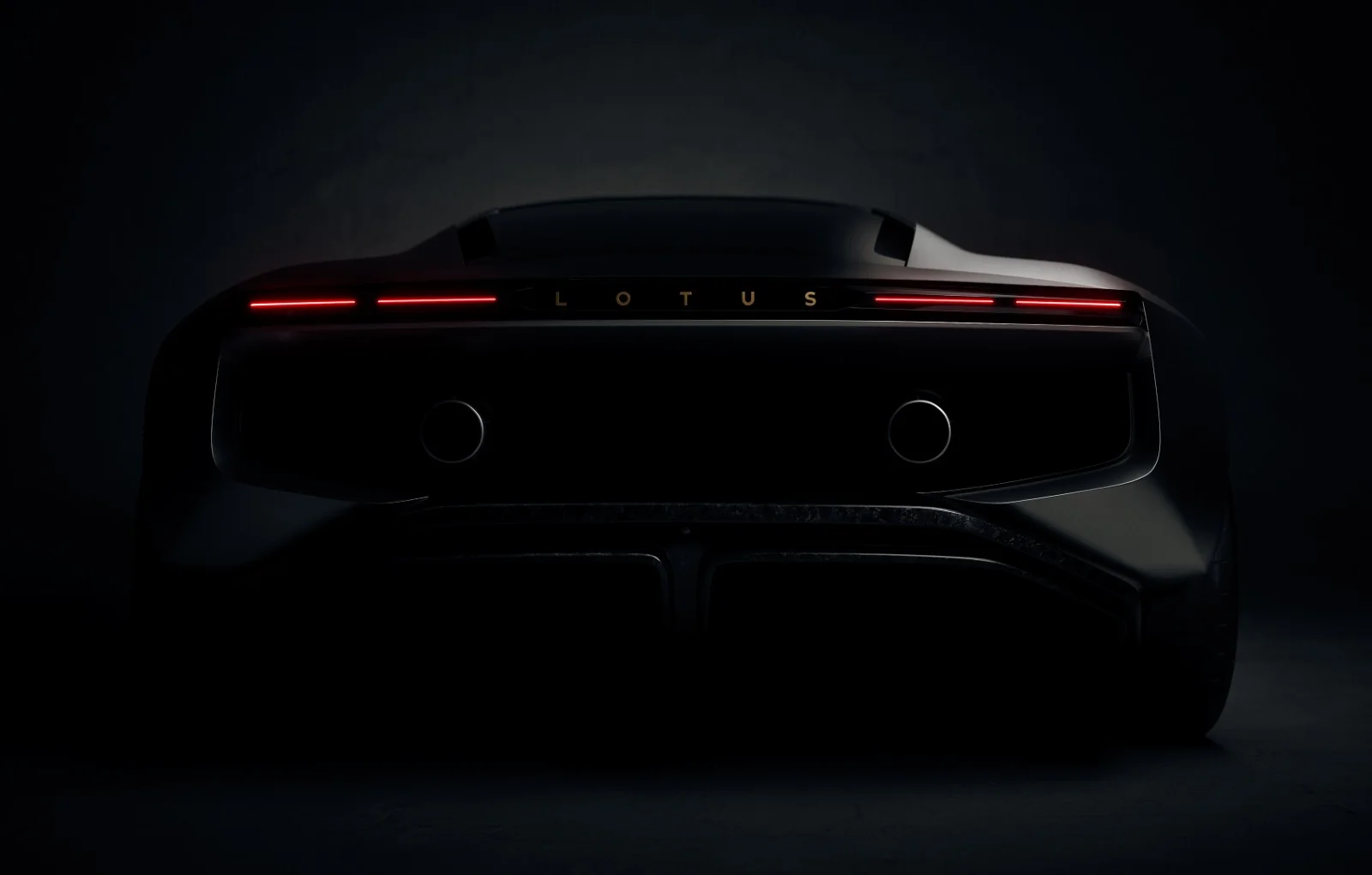
Lotus V8 hybrid supercar revealed
Around Bucharest – day trips from Bucharest
Find out all about the 2026 McLaren Artura Hybrid 3.0 plug-in