

Buying a used car can be a cheap and convenient alternative to buying a new car, and many drivers prefer this option. However, this process comes with challenges and risks, including the possibility of being deceived. In this article we will explain how to choose a safe used car and how to avoid scams, giving you practical and concrete advice.
Preliminary research: the first step in choosing a safe used car
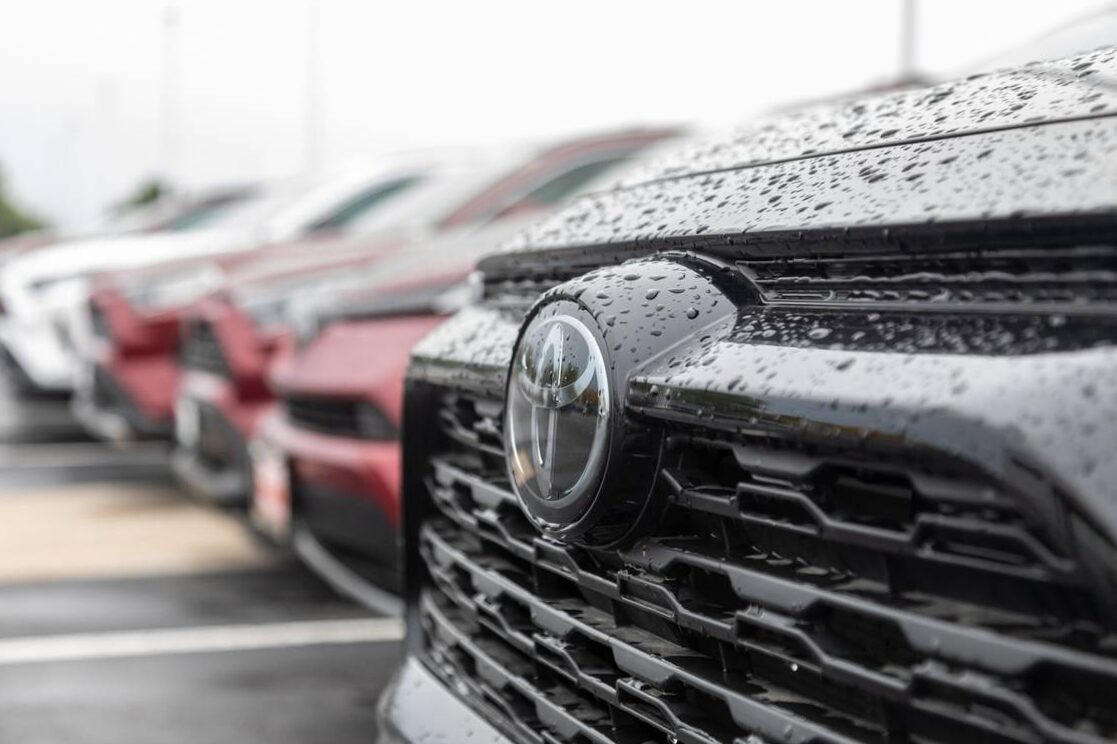
The first step in the process of buying a used car is research. It is essential to have a clear idea of what type of car you want, what your needs are and the budget available to you. Online searches are a great place to start. Use car listing sites and forums to understand market prices and identify models that fit your needs.
Set your budget
It also includes subsequent expenses such as maintenance, insurance and taxes. It is important to be clear about the sums you are willing to invest not only in the purchase, but also in subsequent maintenance costs.
Identify the right models
Make a list of some car models that you like and that are within your budget. Think about your needs: do you need a small car for the city or a larger one for the family and long trips?
Read reviews and ratings
Check the reliability and maintenance costs of the chosen models. User reviews and car tests are great sources for understanding the strengths and weaknesses of each model.
Compare prices
Use multiple sources to get a clear picture of market prices. Classified sites, auto forums, and local dealerships are valuable resources for determining the correct price of a used car.
How to check the history of a used car to avoid unpleasant surprises
One of the most important steps in purchasing a used car is checking the vehicle’s history. This can help you avoid cars that have been involved in serious accidents or have had serious mechanical problems.
Request the VIN (Vehicle Identification Number) report.
This report contains information about the vehicle’s previous owners, accidents, repairs and mileage. A detailed VIN report can help you identify any hidden issues.
Check the mileage
Make sure the mileage shown on the report matches that displayed on the dashboard. Modified mileage is a common deceptive practice, so watch out for discrepancies.
Service history
Check if the car has been serviced regularly. A well-maintained car will have a complete and up-to-date maintenance history, which indicates that previous owners took good care of it.
Previous incidents
Look for signs of major repairs or structural damage that could compromise the safety and performance of your vehicle. A detailed VIN report will mention these events.
Signs of a road accident: what to check before buying
A car involved in a serious accident may have hidden problems that are not immediately apparent. Here are some signs to look out for:
Color differences
Uneven paint or differences in shade may indicate previous repairs. These are signs that the car has been damaged and repainted.
Body lines
Check that the body lines are straight and that the doors, bonnet and trunk close properly. Differences in the alignment of body components may indicate a previous accident.
Rust and corrosion
These may indicate structural damage or shoddy repairs. Check sensitive areas such as door sills, bumpers and the floor of the car.
The interior of the car
Excessive wear on the steering wheel, pedals and seats can be a sign that the mileage has been altered. Also, watch out for unpleasant odors or traces of moisture, which can indicate sealing problems.
Essential documents: what documents to ask for before buying a used car
Documents are essential to ensure that the purchase is legal and transparent. Here’s what to ask:
Vehicle Identification Card (CIV)
Contains essential information about the car and the previous owner. Check the authenticity and correctness of the data.
Registration certificate
Make sure it is valid and that the information matches that of the CIV. Check the date of the last technical inspection and make sure it is valid.
Service history
A comprehensive service book can provide valuable vehicle maintenance information. Check that the car has been regularly and properly maintained.
Purchase invoice or sales contract
These documents are essential to prove the transaction. Make sure all details are filled in correctly and signed by both parties.
The Test Drive: how to correctly evaluate the performance of a used car
A test drive is essential to evaluate the general condition of a used car. Here’s how to prepare and what to pay attention to:
Preparing for the test drive
Choose a varied route that includes urban streets, highways and dirt roads. This will allow you to evaluate the behavior of the car in various road conditions.
Check the engine
Listen for engine sounds at startup and during operation. Unusual sounds may indicate mechanical problems. Check that the engine starts and runs smoothly.
Check the transmission
Make sure the gear shift is smooth and free of strange noises. Test both manual and automatic transmissions, if applicable.
Suspension and brakes
It tests the suspension on rough roads and tests the effectiveness of the brakes under sudden braking conditions. Make sure the car does not move to one side when braking.
Convenience and functionality
Check the correct functioning of all interior equipment (air conditioning, radio, electric windows, etc.). Make sure the seats are comfortable and all controls are easily accessible.
Working with Trusted Dealers: How to Find Trusted and Verified Used Car Sellers
Buying a used car from a trusted dealer can significantly reduce the risk of being scammed. Here are some tips for identifying reputable resellers:
Research the retailer
Check online reviews and the reputation of the retailer. A trusted retailer will have positive reviews and satisfied customers. Pay attention to negative reviews and how the retailer responds to them.
Transparency
A reputable dealer will provide you with all the necessary information about the vehicle and will not try to hide important details. Request detailed information about the car’s history and check it out.
GUARANTEES
Look for dealers that offer used car warranties. This can be proof of the quality of the vehicle and gives you additional security in case of problems after purchase.
Machine certification
Some dealers offer certified vehicles that have been rigorously checked and tested before being offered for sale. These cars are generally in good technical condition and come with additional warranties.
Choosing a safe used car takes time and attention to detail. Preliminary research, vehicle history checks, physical and mechanical condition assessments, and collaboration with trusted dealers are essential steps in this process. By following the advice in this article you will be able to avoid scams and find a used car that will guarantee you long-term safety and reliability. Buying a used car can be a positive experience as long as you are informed and prudent.
latest posts published

The most comfortable car: a top 10 of the most comfortable cars
Van rental in Bucharest: when is it best and which model to choose? | Dex Car

Electric car sales in Europe rose 41% in March, boosting the new car market

Hongqi could start producing cars in Europe at the Stellantis plant in Spain

Leapmotor announces the launch of 3 new models on the European market in 2026

The best used luxury coupé and cabriolet models

Lotus V8 hybrid supercar revealed

Around Bucharest – day trips from Bucharest

Find out all about the 2026 McLaren Artura Hybrid 3.0 plug-in