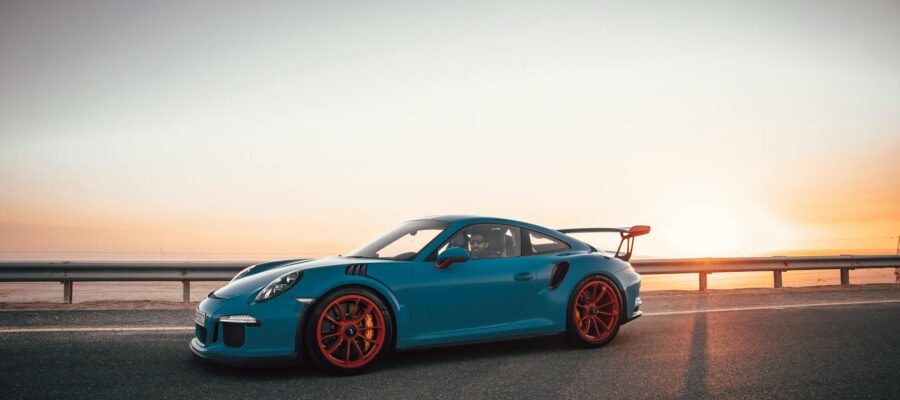
Porsche, one of the most renowned car manufacturers in the world, known for the performance and exclusivity of its cars, has announced a major strategic change in its electrification plans. Although the company set an ambitious goal four years ago that 80% of total sales would be electric models by 2030, the reality of 2026 required a reevaluation of this goal and a serious shift in strategy.
From ambition to reality: the challenges of electrification
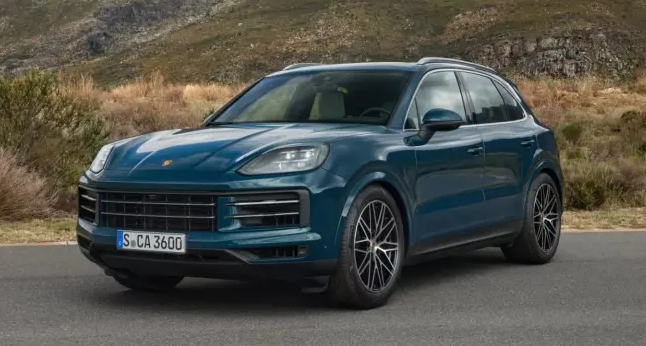
In 2026, Porsche announced its determination to take a decisive step towards electrification, a plan that seemed to align perfectly with global trends and increasingly stringent environmental policies. The goal of reaching 80% of sales with electric models by 2030 is part of a wave of radical transformations in the automotive sector, where classic propulsion, based on fossil fuels, is increasingly being questioned.
But starting in 2026, the implementation of these plans encountered unexpected difficulties: technological and logistical constraints, high development costs for new 100% electric models, as well as fluctuating market demands and preferences forced Porsche to adjust its course.
Revision of the plan: more time for electrification, but with long-term heat engines
In light of these challenges, Porsche has decided to grant a longer period to the development and launch of new electric models, which translates into keeping internal combustion engines in its portfolio even after 2030. This decision marks a transfer of strategy from «forced» electrification to a more balanced transition that combines different technologies, depending on actual demand and technological evolution.
More specifically, some models that were originally going to be offered exclusively with fully electric powertrains will now be launched as hybrid variants or even equipped with high-performance combustion engines, thus maintaining the Porsche tradition of sound, performance and driving experience.
What does this change mean for consumers and the market?
For fans of the brand, the decision to keep combustion engines in the Porsche lineup will likely be well received, as the purist symbol of the brand – the unmistakable sound of the internal combustion engine and the immediate acceleration of a traditional engine – will last longer than expected.
On the other hand, for consumers and the automotive market in general, this flexibility in Porsche’s strategy reflects a complex reality: the transition to electric mobility complements, but does not immediately replace, traditional technologies. Porsche appears to be striking a balance between global emissions reduction obligations and the specific needs of its customer base, which still includes classic motor enthusiasts.
The impact on the automotive industry in Romania and Central Europe
In a regional context such as that of Central and Eastern Europe, where the infrastructure for charging electric vehicles is constantly developing, Porsche’s decision to continue using petrol and diesel engines for a longer period can be seen as an opportunity for consumers. Many drivers still have difficulty accessing charging points and managing electric range, which makes hybrid and combustion models remain viable and attractive options.
Furthermore, this evolution can indirectly influence the automotive business in Romania, from automotive services to Porsche dealers and specialized workshops, offering continuity of activities related to the maintenance and repair of classic engines.
Porsche and the future: a balanced mix of tradition and innovation
The revised Porsche plan does not mean the long-term abandonment of electric technology, but only a pragmatic adjustment of the terms in which it will be implemented. Electric cars continue to be the main pillar of the brand’s environmental strategy, but not at the expense of the unmistakable character offered by internal combustion engines and high-performance hybrid solutions.
In the coming years we can expect to see the launch of Porsche models that combine classic elements with modern technologies, such as plug-in hybrids or electric cars with greater range and fast charging. This hybrid approach can become a model strategy for other premium manufacturers who want to maintain their identity while achieving sustainability goals.
Conclusion: Porsche between tradition and future, a road adapted to reality
Recent changes in Porsche’s strategy demonstrate that the transition to electric mobility is not a simple and direct path, but requires constant adaptation, innovation and a deep understanding of the market and available technologies. The complete abandonment of combustion engines after 2030 no longer seems so certain, and this decision provides a much-needed respite for development and a clear option for those who love traditional Porsches.
As the evolution continues, it will be interesting to see how other sports and luxury brands position themselves to the challenges of electrification and how they meet customer expectations in a world that is rapidly shaping itself around sustainability and technology.
Article created for car enthusiasts and professionals in Romania, with updated information and a careful analysis of the future of the sports car in the era of electrification.
latest posts published
The most comfortable car: a top 10 of the most comfortable cars
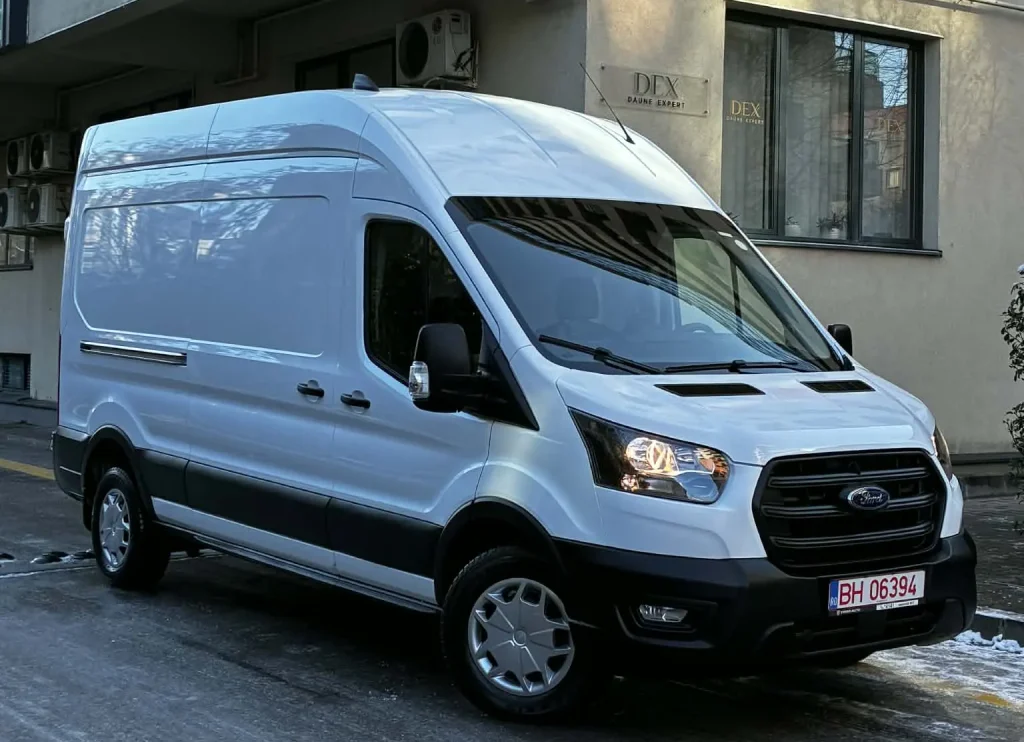
Van rental in Bucharest: when is it best and which model to choose? | Dex Car

Electric car sales in Europe rose 41% in March, boosting the new car market
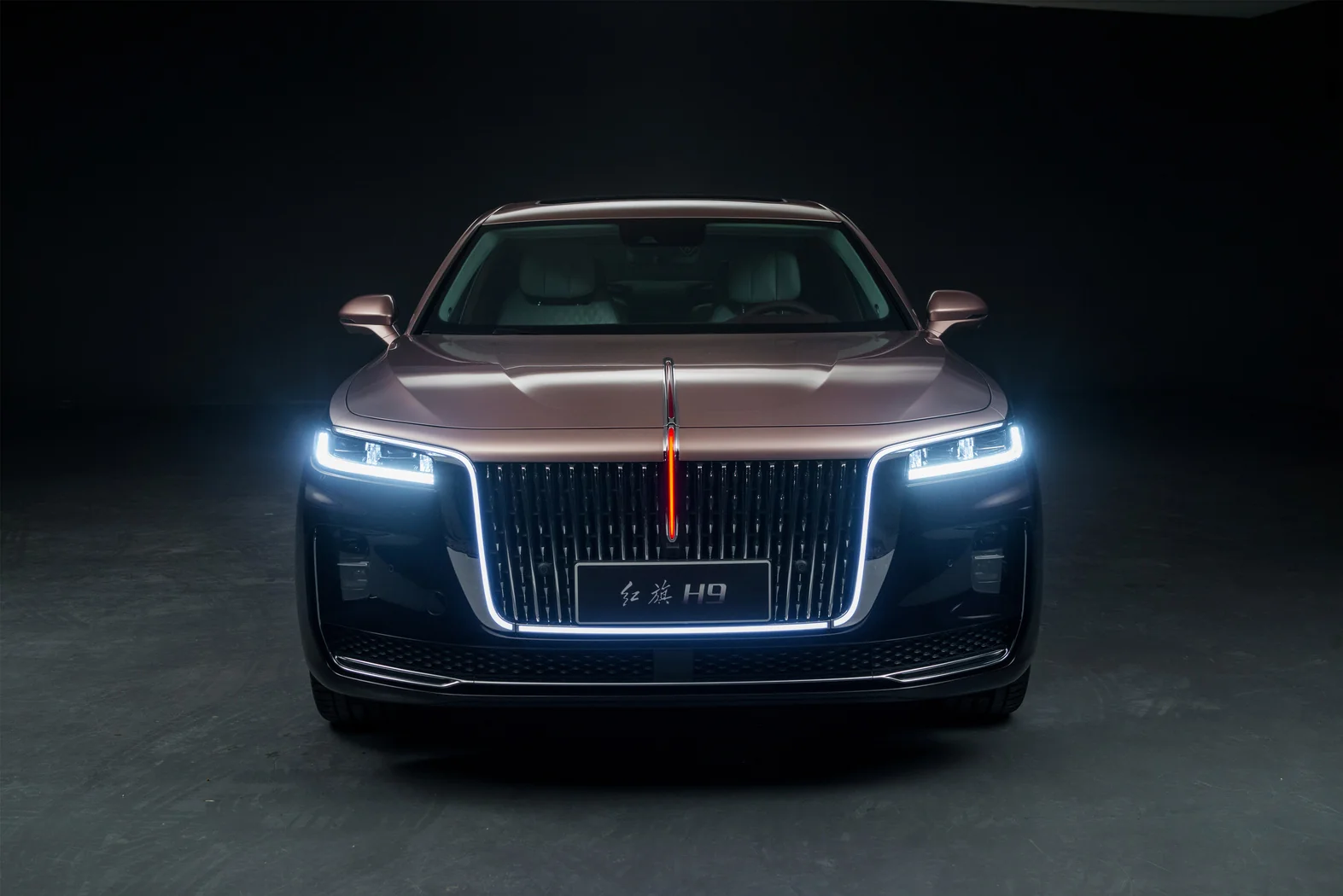
Hongqi could start producing cars in Europe at the Stellantis plant in Spain
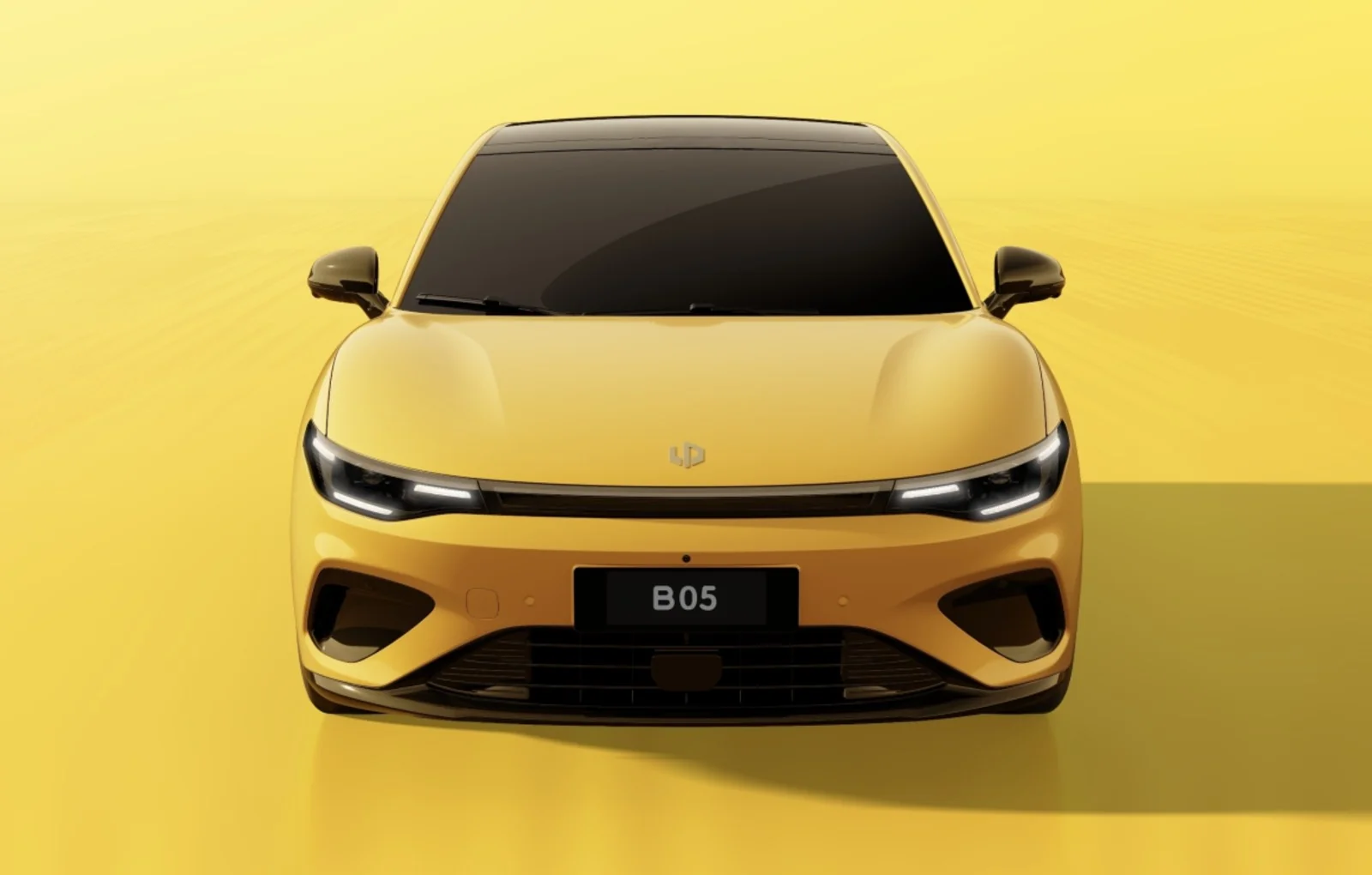
Leapmotor announces the launch of 3 new models on the European market in 2026
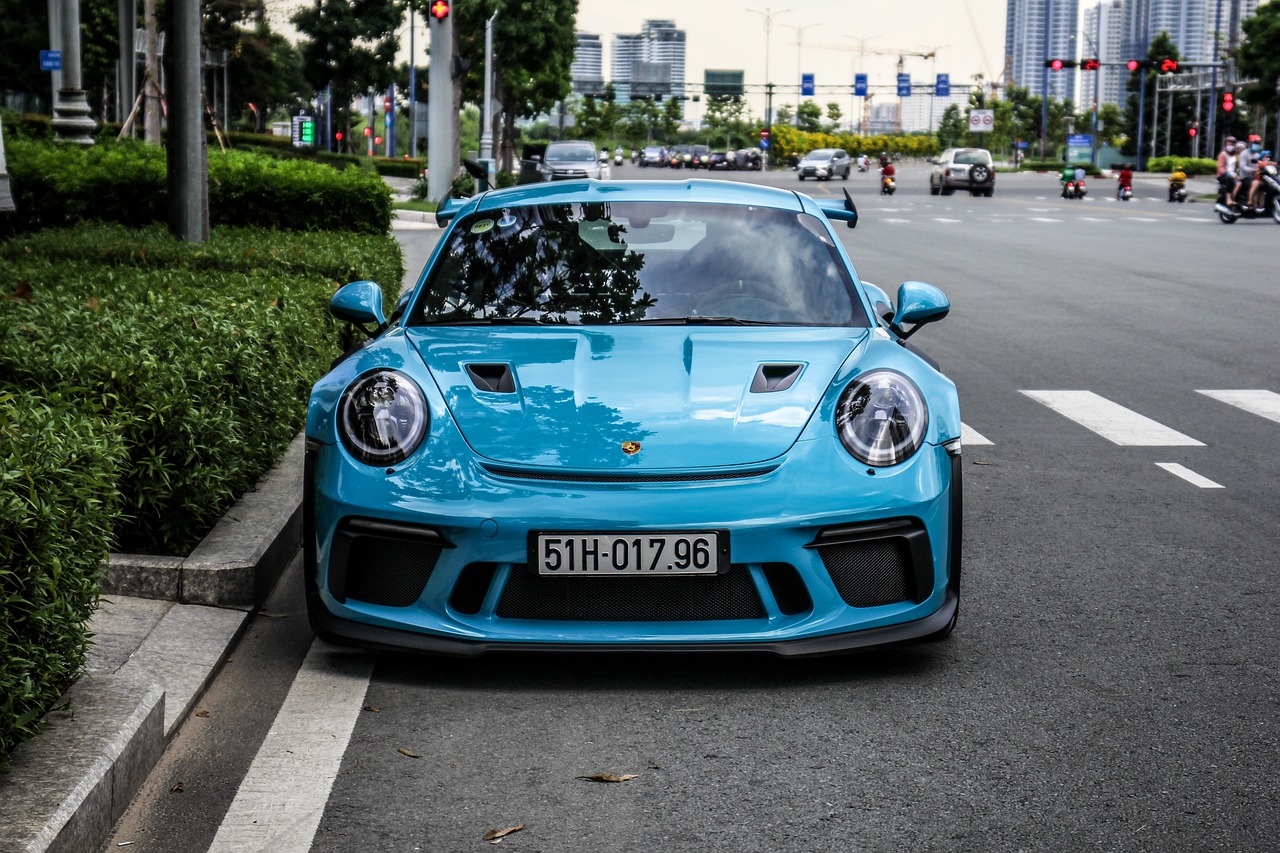
The best used luxury coupé and cabriolet models
Lotus V8 hybrid supercar revealed
Around Bucharest – day trips from Bucharest
Find out all about the 2026 McLaren Artura Hybrid 3.0 plug-in