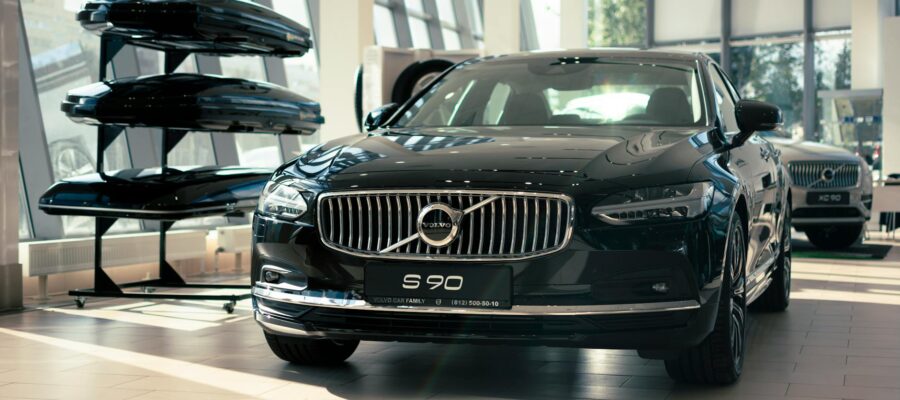
Context of the decline in the North American market
The North America region, one of Volvo’s most important markets, performed below expectations at the start of the year. The volume of vehicles sold recorded a significant decline of 28%, mainly caused by low consumer confidence, difficult economic factors and geopolitical uncertainties that influenced the purchasing climate. A further element that has put the market to the test is the conflict in the Middle East, which has generated concerns about the supply and impact on fuel prices, negatively influencing the prospects of North American consumers.
The decline in North America had a significant impact on the brand’s overall performance, as this region represents a significant percentage of total revenue. However, Volvo has managed to handle other markets well and focus on an accelerated transition to electrification.
Growing the electric segment: Volvo’s new direction

One positive aspect of Volvo’s first quarter report is the advancement of the electric model. Sales of fully electric cars increased by 12%, a notable increase that reflects Volvo’s growing commitment to green and sustainable mobility. The Swedish manufacturer reports that these electric models now account for 24% of all vehicles delivered between January and March 2026, an impressive percentage that indicates the rapid change in consumer preferences.
In total, Volvo delivered 72,579 electrified units (including fully electric and plug-in hybrid vehicles), the latter continuing to represent a strategic component in the product range. This growth supports Volvo’s goal of becoming a 100% electric company by 2030, an ambitious goal that requires massive investments in technology and infrastructure.
Volvo’s strategy for recovery
Faced with these challenges, Volvo Cars is rapidly adapting its strategy to regain its market share and accelerate the green transition. The company is investing in modernizing its factories and expanding its electric range, launching new electric vehicle models that promise greater range and advanced driver-assist technology. Volvo is also expanding its charging network and local partnerships, ensuring a user-friendly experience for customers.
In addition to investing in electrification, Volvo is paying more attention to stabilizing the business in struggling markets, such as North America, through tailored marketing campaigns and offering new models that better meet the needs of local consumers.
Outlook for the rest of 2026
Although the start of the year resulted in a decline in overall sales, the positive trend in the electrified segment provides good reasons for optimism for Volvo. The global electric vehicle market is continually expanding and aggressive range electrification strategies could allow the company to regain ground in the medium and long term.
Industry experts predict that consumer confidence and geopolitical stability will play a key role in the recovery of sales in key markets, and Volvo appears poised to meet these challenges. Adaptability and investments in new technologies are the strengths of the company, which continues to position itself as an important player in the premium segment of electrified cars.
In short
The first quarter of 2026 was characterized by challenges for Volvo Cars, with global sales declining by 11%, mainly due to poor performance in North America, where the economic and geopolitical impact was strongly felt. However, the 12% growth in the fully electric vehicle segment and their 24% share of total deliveries indicate a clear transformation and a promising strategic direction.
For Volvo, 2026 will be a year of adaptation, redefinition of priorities and consolidation on the path of electrification, with innovations that can change the face of the premium automotive industry in Romania and around the world.
For more details on the evolution of the automotive market and Volvo news, stay connected to our automotive blog from Romania.
latest posts published
The most comfortable car: a top 10 of the most comfortable cars
Van rental in Bucharest: when is it best and which model to choose? | Dex Car

Electric car sales in Europe rose 41% in March, boosting the new car market
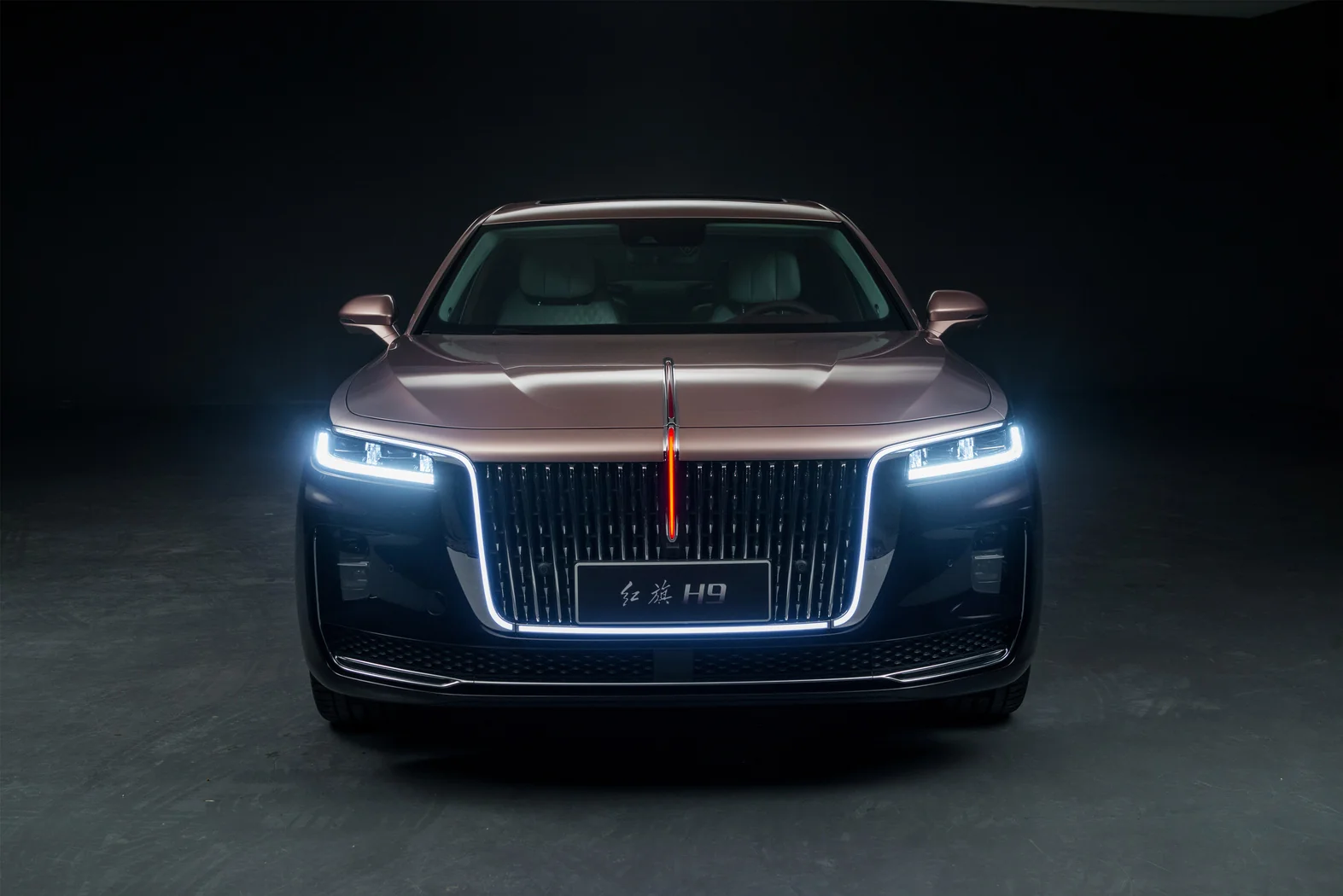
Hongqi could start producing cars in Europe at the Stellantis plant in Spain
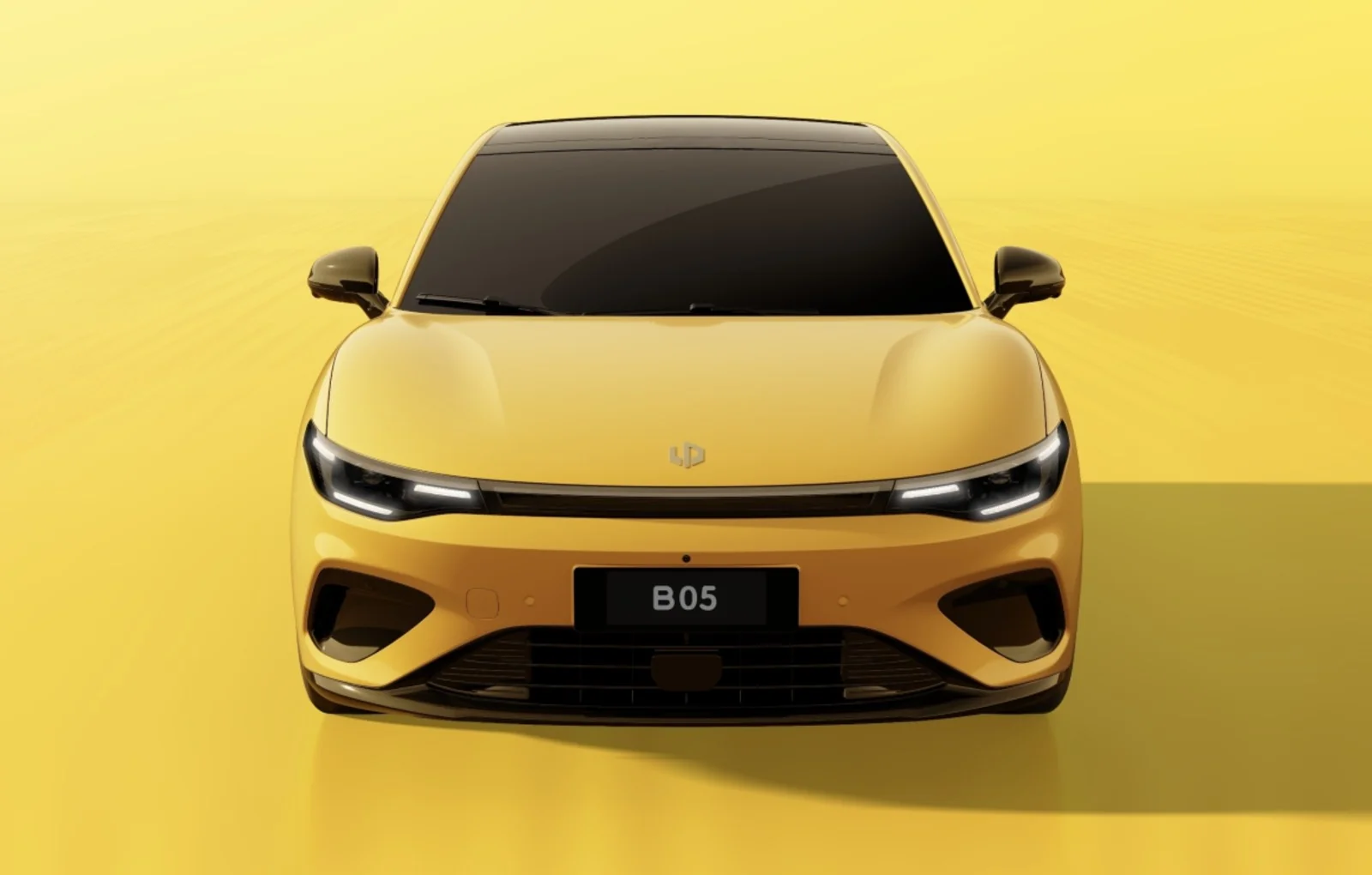
Leapmotor announces the launch of 3 new models on the European market in 2026

The best used luxury coupé and cabriolet models
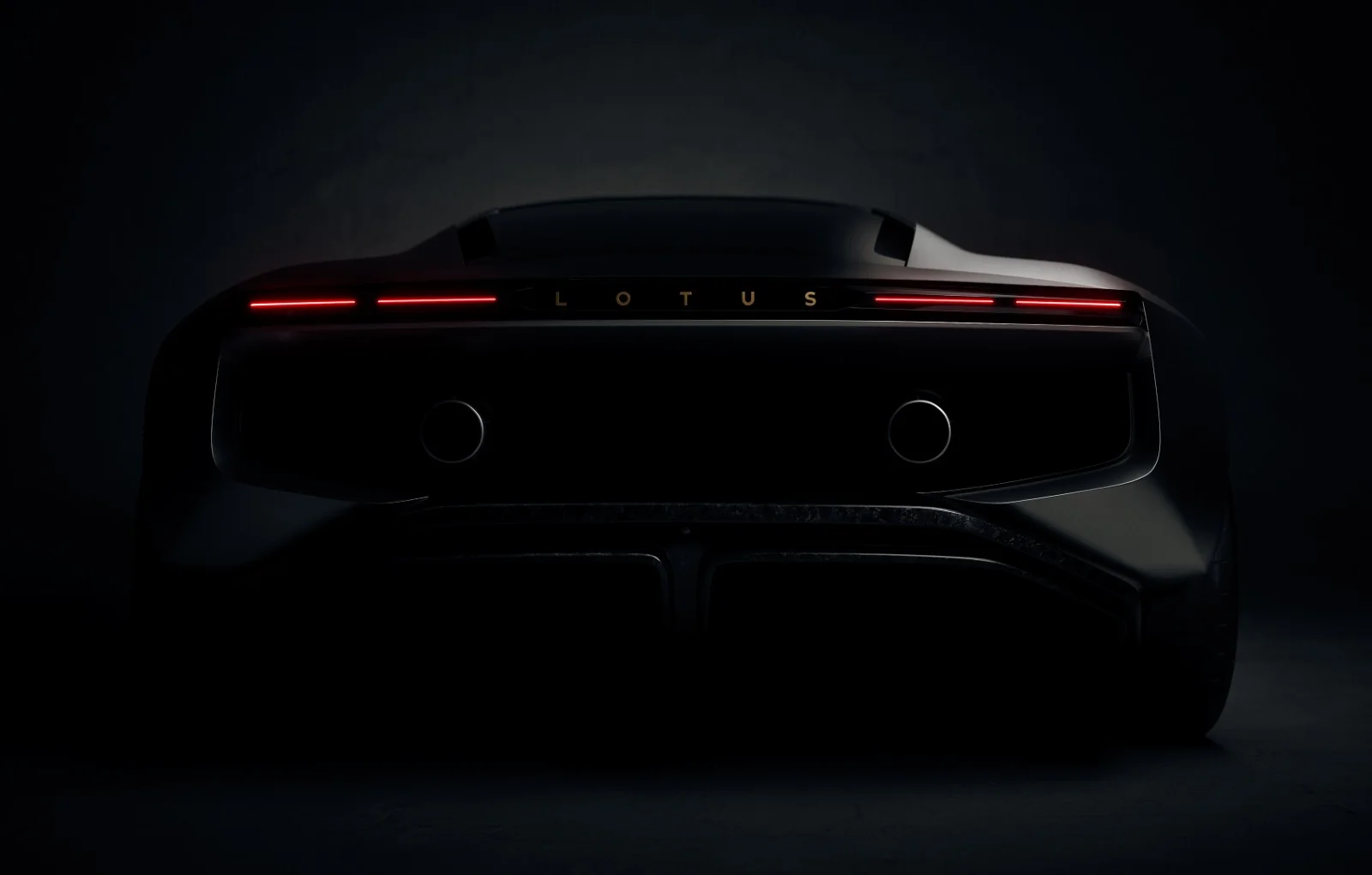
Lotus V8 hybrid supercar revealed

Around Bucharest – day trips from Bucharest
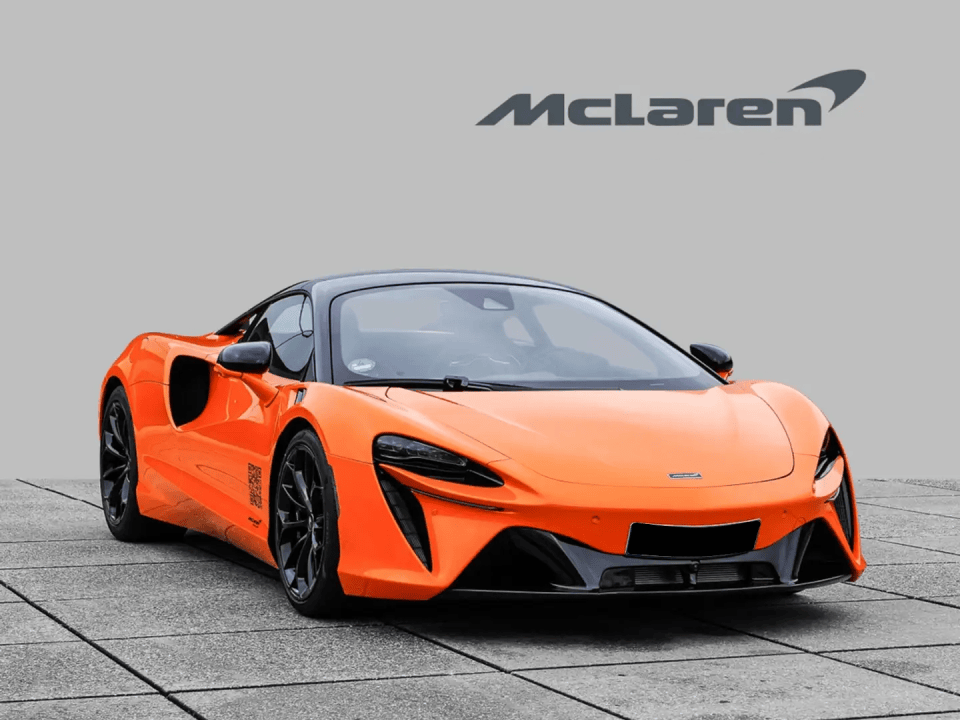
Find out all about the 2026 McLaren Artura Hybrid 3.0 plug-in