May 22, 2026 · 4 min. reading
The German manufacturer Porsche, renowned for innovation and performance, appears to be preparing to revive one of the most distinctive technical elements of its past: the air-cooled engine. This type of engine was the emblem of the 911 until the 993 generation, produced between 1993 and 1998, after which, as technology progressed, Porsche engineers switched exclusively to liquid-cooled engines, starting from the 996 generation. Now, a new patent filed by Porsche suggests a possible revival of this controversial technology, but with modern adaptations to align with current automotive market demands and ecological standards.
The air-cooled engine: a Porsche symbol with history
Over the decades, the air-cooled engine played an iconic role in the identity of the Porsche 911. The technical solution was based on a simple and robust cooling system that used forced air baffles to maintain the engine’s optimal operating temperature. This concept had real advantages at the time of implementation: the engine was lighter and had fewer vulnerable components, unlike the complex liquid cooling systems we see today.

However, the air-cooled engine also had significant drawbacks, especially in terms of maximum performance, thermal efficiency and strict pollution regulations. From here, the move to liquid-cooled engines was a natural evolution, bringing higher performance and greater fuel efficiency, along with better temperature control in various driving conditions.
Why would Porsche want to go back to air cooling?
The news that Porsche may bring the air-cooled engine back into production has raised many questions among automotive enthusiasts and analysts. Why would a high-tech manufacturer that has just launched hybrid and electric models opt for technology that is considered obsolete? The answer appears to be a mix of brand strategy, technological innovation and the desire to reduce the complexity and cost of some components.
The revealed patent shows that Porsche is looking to implement a contemporary system that uses modern techniques to maximize the benefits of air cooling while maintaining the performance and reliability capabilities of current engines. It is an engine which, although inspired by the classic design, will benefit from important optimizations: from new materials to electronic cooling control systems, which will allow much more precise temperature management.
The impact on the future of Porsche models
The reintroduction of air-cooled engines could have significant effects on the Porsche lineup, particularly in the high-performance sports car segment. For example, this type of engine is perfectly suited for small, light and dynamic models, where low weight and fast cooling are key for strong acceleration and agility on the road.
Furthermore, the technology could also support the engine diversification strategy, in the context of the strict tensions imposed by global ecological standards. A well-managed air-cooled engine can provide a compromise between performance, efficiency and cost. Porsche could also benefit from a distinctive competitive advantage by offering customers a unique experience with retro accents but with modern technology at its core.
The limits and challenges of revitalization
However, the reintroduction of an air-cooled engine comes with a number of major challenges. First, today’s emissions and energy efficiency standards are much more stringent than those of the 1990s, and adapting air-cooled engines to these standards can be difficult and expensive.
Furthermore, modern users are accustomed to greater comfort, reduced maintenance and absolute reliability, aspects for which air-cooled engines have not had such a solid reputation. Porsche will have to demonstrate that it is able to overcome these barriers, guaranteeing technology that does not compromise either the pleasure of driving or the duration of use of the car.
Looking to the Future: An appeal to technological nostalgia with a futuristic vision
In conclusion, Porsche’s decision to explore the possibility of reintroducing the air-cooled engine reflects a fascinating trend in the automotive industry: combining the past and the future to create cars that not only delight the eye, but provide memorable experiences. This approach could revive some of the classic Porsche DNA while taking advantage of contemporary technology.
It remains to be seen whether this idea will really come to life and whether we will soon see Porsche models with air-cooled engines on the streets of the world, thus marking a subtle but glamorous revolution in the world of sports cars.
SEO Keywords:
Porsche air-cooled engines, Porsche 911 generation 993, air-cooled engine versus liquid cooling, Porsche engine technology, future Porsche 911, Porsche innovations, classic Porsche engines, Porsche air engine patent, Porsche car performance, history of the Porsche 911
latest posts published
The most comfortable car: a top 10 of the most comfortable cars
Van rental in Bucharest: when is it best and which model to choose? | Dex Car

Electric car sales in Europe rose 41% in March, boosting the new car market
Hongqi could start producing cars in Europe at the Stellantis plant in Spain
Leapmotor announces the launch of 3 new models on the European market in 2026
The best used luxury coupé and cabriolet models
Lotus V8 hybrid supercar revealed

Around Bucharest – day trips from Bucharest
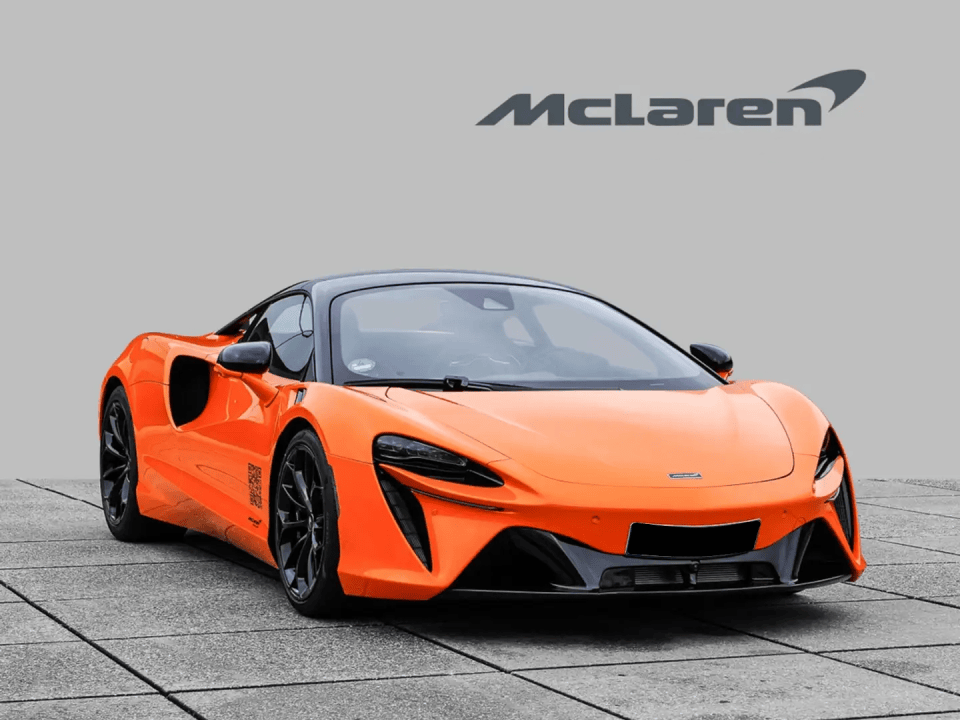
Find out all about the 2026 McLaren Artura Hybrid 3.0 plug-in