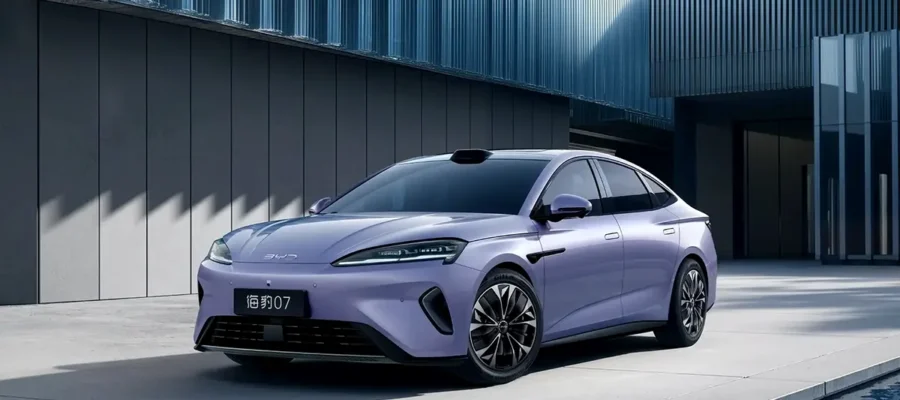
BYD sales in the Chinese market in the first quarter of 2026
According to official data, BYD delivered 303,150 units in the first three months of 2026, an alarming 53% decline compared to the volume sold in the first quarter of 2025. This obvious decline directly affected the company’s financial performance.
Although BYD still remains the third-largest automaker in the Chinese market, its position is threatened by the strengthening positions of traditional rivals such as Volkswagen and Toyota, which dominated sales over the same period. This difficult competitive environment highlights the challenges BYD faces in one of the most dynamic and competitive automotive markets in the world.
The financial situation of the BYD Group
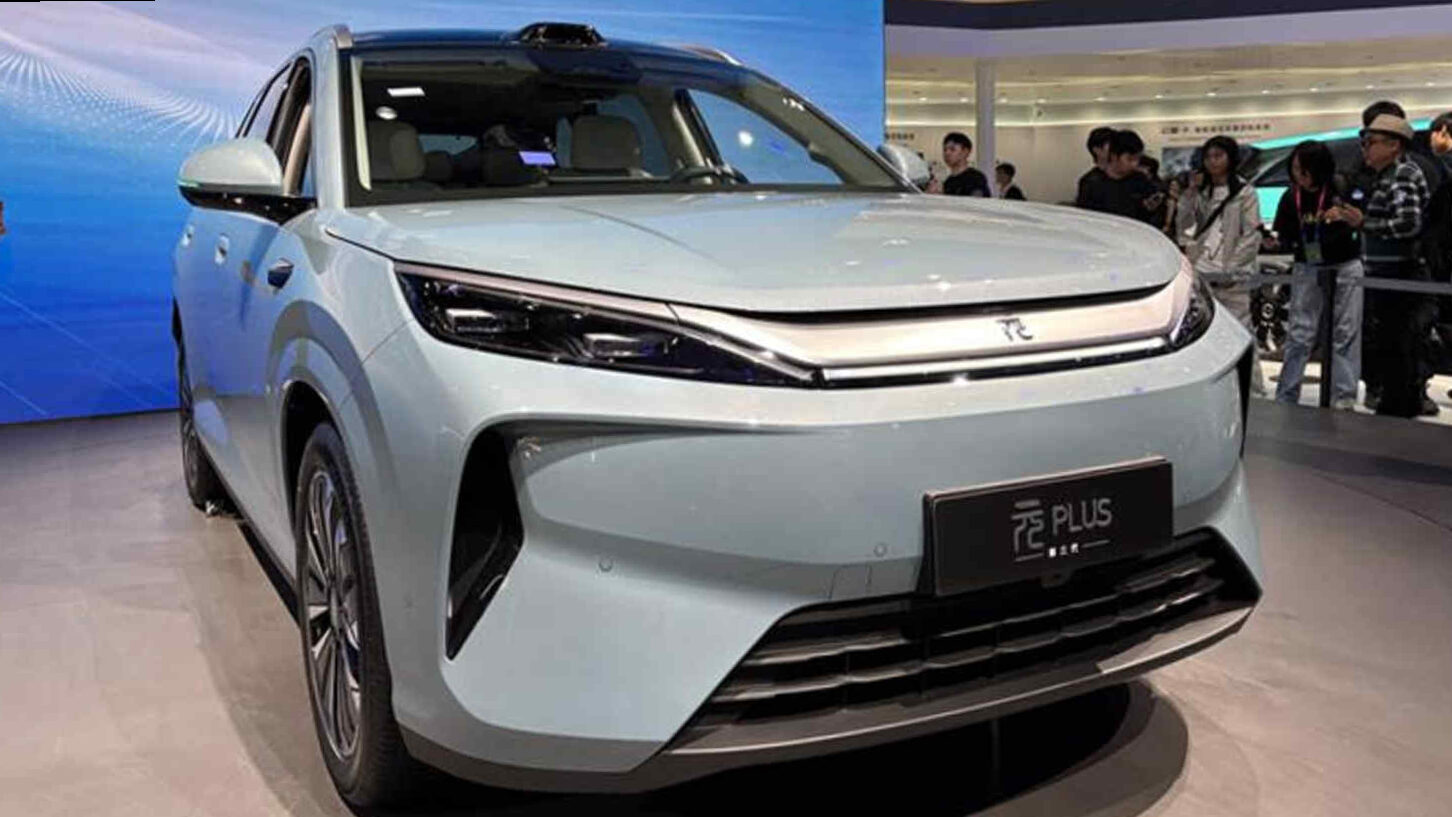
The decline in sales was directly reflected in the financial results of the entire BYD group. Although the company continued to invest heavily in new technologies and expand the production of electric and hybrid vehicles, the pressure of declining domestic demand led to a serious reduction in profitability.
In concrete terms, financial reports show a 55% drop in net profit compared to the first quarter of 2025, indicating that while BYD remained a major player, it failed to capitalize on the domestic market as effectively as in previous years.
Causes of BYD’s declining sales
Analysis of the Chinese automotive market suggests several factors that have contributed to this difficult situation for BYD:
-
Saturated electricity market: In recent years, China’s automotive market has become extremely competitive, with numerous manufacturers launching electric and hybrid models in a bid to meet growing demand. This has led to a fragmentation of market shares and pricing pressures.
-
Consumer preferences: Chinese consumers have become increasingly selective, choosing brands and models based on rigorous performance, technology and price criteria. Companies such as Volkswagen and Toyota were able to quickly adapt their offerings, thus consolidating their positions.
-
The economic context: Global economic uncertainties, inflation and strong market fluctuations have affected the purchasing power of the population and have slowed down investments in cars, especially in the electric vehicle category, which still represents an expanding niche.
BYD’s strategies for recovery
Despite these difficulties, BYD has no intention of giving up ground. The Chinese group maintains its commitment to the development of green technologies and plans to intensify efforts in the following areas:
-
International expansion: BYD is exploring high-potential overseas markets such as Europe and North America, where demand for electric vehicles is constantly growing. These markets offer important growth opportunities in the medium and long term.
-
Technological innovation: The company is investing heavily in research and development to develop more efficient batteries, advanced electric propulsion systems and intelligent connectivity solutions, all to attract new categories of consumers.
-
Strategic partnerships: BYD is in talks for collaborations with other automotive and technology companies to accelerate the launch of competitive products and reduce production costs.
The impact on the global automotive market
BYD’s recent developments serve as an indicator of how automotive companies must adapt quickly in a rapidly transforming industry. Feedback on declining sales and profitability demonstrates the importance of a balanced strategy between innovation, rapid adaptation to market changes and global expansion.
At the same time, the dominance of Volkswagen and Toyota in China reflects a trend of market consolidation in which brands with heritage and strong financial standing are able to capture a larger share of customers.
Conclusion
BYD’s 55% profit cut in the first quarter of 2026, accompanied by a drop of more than half in sales in the Chinese market, is a wake-up call for one of the world’s largest electric vehicle makers. However, its international expansion strategy, continued innovation and market dynamism indicate that BYD can overcome these challenges and return to an upward trajectory.
For electric car enthusiasts and beyond, the next few quarters will be crucial to see how BYD reinvents itself and what effect it will have on the global automotive market.
Stay connected for the latest automotive news and in-depth analysis of the industry’s key players.
latest posts published
The most comfortable car: a top 10 of the most comfortable cars
Van rental in Bucharest: when is it best and which model to choose? | Dex Car

Electric car sales in Europe rose 41% in March, boosting the new car market
Hongqi could start producing cars in Europe at the Stellantis plant in Spain
Leapmotor announces the launch of 3 new models on the European market in 2026
The best used luxury coupé and cabriolet models
Lotus V8 hybrid supercar revealed

Around Bucharest – day trips from Bucharest
Find out all about the 2026 McLaren Artura Hybrid 3.0 plug-in